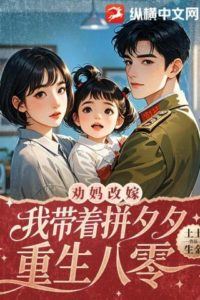
On the surface, this is a rebirth novel about a family surviving economic hardship in socialist China. But read it again and the themes run much deeper.
The central symbol is the cotton itself. It appears everywhere: the black-market cotton Wang Lihua sells, the cotton padding in Shen Jinsong's torn jacket, the cotton quilts she upsells, and of course, the phrase "cotton in your throat" that becomes Su Erbao's sharpest weapon. Cotton is warmth, survival, commerce, and verbal sparring all at once. It's the fabric of this world—literally and figuratively.
Shen Jinsong's jacket is its own symbol. A new jacket his mother sent him, worn only once, destroyed in the line of duty. He's reluctant to wear new things until now, as if he doesn't feel he deserves comfort. The tear at the elbow reveals the thin cotton inside—a man whose outward appearance of authority hides fragility. And yet he's the one who picks up a child, pays for bus tickets, and offers chocolate to a stranger. The jacket is armor that doesn't protect him, which turns out to be prophetic. He dies because he did his job, because he uncovered corruption, because he was too honest for this world.
The patches on the women's clothing are another recurring motif. Su Erbao's jacket has plaid patches because the original fabric grew short. Wang Lihua's clothes are faded. Every patch is a story of making do, of a mother's love expressed through mending, of dignity maintained through sheer will. The Su family was kicked out with nothing, and these patches are the evidence of their resilience.
But the deepest theme here is about knowledge and power. Su Erbao knows things. She knows Shen Jinsong will die. She knows her family's future. She knows where to find cotton and how to sell it. In her past life, she was powerless—now she carries the weight of foresight. But the novel is careful not to make this a fantasy of control. She can't just warn Shen Jinsong directly. She has to navigate social conventions, wait for the right moment, play the role of a quiet child while holding dangerous knowledge. The rebirth trope here isn't about omnipotence; it's about the burden of remembering what others have forgotten.
The chocolate scene is thematically rich too. Shen Jinsong offers it to Su Erbao as a gesture of kindness, and she immediately calculates whether he's a kidnapper. In this world, even sweetness is suspect. A child's instinct isn't to trust an adult offering candy—it's to assess the threat. That's the world the novel is building: one where survival requires constant calculation, where kindness exists but must be evaluated, where a widow with two daughters must disguise themselves in public restrooms just to feed their children.