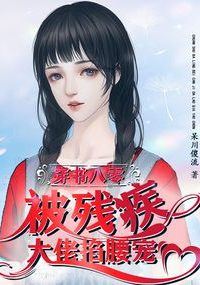
I need to talk about the imagery in this opening because it's doing so much heavy lifting.
The very first thing Gu Jiaojiao notices after waking up isn't the handsome man beside her—it's the ground. Dirt. Not marble, not tile, not the Persian rug she bought. Dirt. That single detail tells you everything about her new reality without a single word of exposition.
And then the author layers on these incredibly specific, almost cinematic details: the red peony thermoses on the mahogany table, the double wardrobe painted with mandarin ducks playing in water, the large red double happiness character pasted on the mirror. These aren't random decorations—they're the visual language of a rural Chinese wedding, frozen in time. The contrast between the festive red decorations and the shabby, sparse room creates this haunting atmosphere. It's like the house is wearing its celebration like a costume it can't quite afford.
"The entire room was sparsely furnished, with a dirt floor that had been swept until it shone, making it look very shabby."
Swept until it shone. That's the kind of detail that makes you feel the Su family's dignity. They're poor, yes, but they're trying. Mother Su's clothes still have ashes on them because she rushed over from the stove. Her hands are rough. These people are working-class, rural, struggling—and they took in a beautiful wealthy girl anyway.
The mirror scene where Gu Jiaojiao sees her new face is also beautifully done. "A delicate oval face, slightly hollow cheeks, making her almond-shaped eyes appear unusually large." The hollow cheeks tell the story of neglect and malnutrition in one sentence. And those large eyes—she's always been described as having expressive, lively eyes, which contrasts sharply with the frail body she's in.
I also love how the medical space from her previous life is mentioned but completely inaccessible. The Kerman vase, the Persian rug, the billions in supplies—all gone. It's a ghost of her old life haunting the edges of this new one.