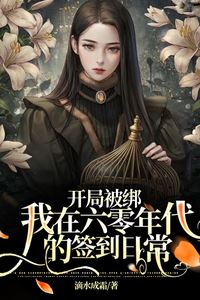
Transmigrated to the 1960s Beginning With Kidnapping and a Sign-In Routine
+Add to Custom List
Genres:
Novel Info

Summary

... Read More
Gu Zuozuo, a top-tier expert from an ancient martial arts family, is killed by a lunatic who uses high-powered bombs in a fit of rejected romantic obsession. She awakens in the body of a sixteen-year-old girl in 1969, a victim of kidnapping and assault who was left for dead. The original owner’s parents, professors taken away by Red Guards, were suspected of hiding the legendary Gu Family Treasure. Immediately after regaining consciousness, Gu Zuozuo neutralizes her kidnappers with brutal efficiency, revealing her formidable combat skills despite her current lack of internal energy. A system named Niuhao Klass binds to her, offering daily sign-ins for treasures, including a Marrow-Cleansing Pill that begins her cultivation journey. Driven by the original host’s lingering anger and her own need for resources, Gu Zuozuo embarks on a campaign to reclaim what was stolen from her family. She identifies Zhu Qiang, a Revolutionary Committee director, as the man who seized her family’s villa and stole their hidden wealth. Under the cover of darkness, she infiltrates Zhu’s residence, retrieving crates of gold and vast sums of cash hidden beneath floorboards. She also targets Gu Qingfeng, the former family steward who betrayed his masters, paralyzing him with a special powder and looting his hidden stashes. Throughout these operations, she discovers a treasure map and notebooks detailing corrupt dealings, revealing that her family’s downfall was orchestrated by a coordinated group of officials and traitors. Before departing for the countryside as an educated youth, Gu Zuozuo frames the two thugs who attacked her by hanging them from a tree with incriminating letters, leading to Zhu Qiang’s arrest. She then boards a train northward with her two close friends, Meng Tian and Qi Meng, encountering various antagonists along the way, including a jealous classmate named Li Zhaodi, whom she humiliates publicly. Upon arrival at the Hongqi Commune in the remote Ma Liu Tun village, she and her friends are assigned to a dilapidated educated youth station. The station is fraught with internal conflict, particularly among the male youths who scheme to marry local women to secure university placements. Gu Zuozuo quickly establishes herself as a calm and capable leader, defusing tensions with the female residents and navigating the complex social dynamics of the village. She uses her system’s rewards to enhance her cultivation, acquiring skills like Light Body Technique and Fire-Eye Vision. As she settles into rural life, she prepares for the harsh winters and continues to investigate the remnants of her family’s legacy, all while maintaining a low profile to avoid further danger. The story follows her transformation from a helpless teenager into a powerful cultivator who systematically dismantles the forces that destroyed her family, using both martial prowess and strategic cunning to survive and thrive in a turbulent era.

Latest Release
DateGroupRelease
2026-08-11shanghai fantasy c2
2026-08-11shanghai fantasy c1

Community Reviews

Rating(3.5 / 5.0, 4votes)
5 stars
1(25%)
4 stars
0(0%)
3 stars
3(75%)
2 stars
0(0%)
1 stars
0(0%)

Popular reviews

... Read More
The opening scene of this chapter is so vivid I could practically feel the wind. Endless green mountains, vast cornfields, golden wheat stretching for miles—all swaying in the breeze, carrying that ripened grain scent. It's beautiful but also brutal. These girls wrap themselves head to ankle in scarves because the stalks will scratch and itch if you show skin. I love how the author shows the world through labor. The wheat harvesting scene where Gu Zuozuo moves faster than everyone, disappearing from sight while her bundles are already perfectly arranged—there's something almost cinematic about it. Liu Ximei's reaction is perfect: she's a seasoned worker and this fragile-looking city girl is outperforming her. The sickle becomes another blade in her arsenal. Then there's the youth station at noon. The whistle blows and everyone collapses. Meng Tian and Qi Meng are absolutely wrecked, itching all over despite their careful preparation. Liu Ximei's good mood at seeing the newcomers struggle is so human—she expected them to fail and now they're proving her wrong. The dinner scene is where the world really comes alive. The smell of cooking rabbit making everyone's mouths water, the girls shutting their door to eat in private while the boys glare from next door, Ye Hua storming out after slamming his bowl. You can feel the tension in that room. The silence when Kan Lei doesn't move or speak while everyone else reacts. And Ma Liang's home—the grandmother whose vision is failing, the grandson picking bones from chicken, the tears he hides in his bowl. The poverty is understated but devastating. No dramatic descriptions, just a kid eating gamey meat bite by bite while crying. The world feels real because it's not romanticized. It's hard, it's hungry, and people are both cruel and kind depending on the day.
... Read More
This story is really about what we owe each other when the world is trying to break us. The rabbit isn't just food—it's power. Gu Zuozuo brings it back and the entire station erupts. Meat is a luxury these people haven't seen since New Year. But Ye Hua immediately tries to claim it as collective property, which is such a perfect symbol for how systems can be weaponized against the vulnerable. He can't hunt, he can't catch, so he wants to use rules to take what someone else earned. Then there's the Shi Qing San incident—Gu Zuozuo accidentally giving Ma San something completely different from what she intended. She meant to disable him but instead made him hug an old man and call him darling. The comedy is dark but it reveals something: even her mistakes are weapons. She's constantly navigating a world where women are prey, and her only defense is being smarter and more dangerous than everyone expects. Ma Liang's crafts are another symbol. Gu Zuozuo tells him to make her things instead of repaying the yuan. It's not about the money—it's about giving him purpose, a way to belong. He vows to make the best items for her. In a world where he's been bullied and abandoned, this small exchange becomes something sacred. The three girls' transformation is the biggest theme though. They arrive as innocent city kids who assumed everyone was kind. One is nine months pregnant and still working in fields. The other is beaten to near-death. Their innocence has a cost, and Gu Zuozuo is trying to make sure hers don't pay the same price. She's training them not just to survive physically but to survive the world that wants to consume them. The wheat harvest itself is symbolic—golden, abundant, but backbreaking. The land gives and takes in equal measure. These sent-down youths are supposed to be learning from the countryside, but the countryside is learning who they really are too.
... Read More
Okay, I need to talk about Gu Zuozuo because this girl is absolutely fascinating and I am OBSESSED. She comes across as this delicate, pretty city girl who looks like she'd be blown away by a strong wind, but then she drops martial arts moves and hands out poison like it's nothing. The contrast is everything. What really got me is how she treats the three girls. She doesn't just bring them here and abandon them—she actually trains them in self-defense, splits her attention between listening to the team leader and watching for threats, and even gives Liu Ximei a mask she brought. She's this protective older-sister figure without anyone asking her to be. And then there's Ma Liang. This kid lied to her, took a yuan, but then showed up at noon with roasted sweet potatoes and helped her harvest wheat. Gu Zuozuo's reaction? She doesn't scold him. She puts ointment on his sunburned neck and tells him to make her crafts instead of repaying money. That moment when he cries because she's the first person who's ever been genuinely kind to him? I'm not okay. But the antagonists—ugh. Ma San's gaze made my skin crawl. He's already planning who to assign to his juniors like they're commodities. And Ye Hua? The guy literally tries to claim her rabbit as collective property while she's feeding the girls meat. Classic bully energy. What I love most is how Gu Zuozuo never fully reveals herself. She's playing a long game, and the readers are along for the ride. How much is she holding back?
... Read More
"Does it hurt?" Ma Liang shook his head, sniffed, and tried to hide his discomfort. I read that line and just... stopped. My heart actually ached. This kid is twelve, maybe thirteen, and he's been running around naked, bullied, raised by a grandmother who can barely see, and the first person to show him tenderness is a girl who doesn't even know him well. And she notices his peeling neck. She has ointment in her pocket. She puts it on him. He cries. Not from the pain—from the kindness. Can you imagine being so starved for basic human warmth that a tube of cream makes you sob into a bowl of bland potatoes? And then there's the grandmother scene. Ma Liang carefully picking bones out of chicken for his grandma, hiding his tears so she won't notice. He's eating the most meat he's probably had in months and he's worried about his grandmother first. I swear this author is trying to kill me. The rabbit dinner was the sweet counterpoint though. Three city girls who couldn't even handle farm work all day, huddled in a room eating meat that Ma Liang's grandmother sent over, while the boys next door sulk and Ye Hua slams his bowl. There's this whole world of warmth and cruelty existing side by side. The friendship between the three girls—Meng Tian and Qi Meng clinging to Gu Zuozuo's arms, chattering about milk fruit even in serious moments—that's the light in this story. They're ridiculous and sweet and I want them all to survive. I just keep waiting for the other shoe to drop. It always drops.
See all reviews

Characters

See all characters

Custom lists

See all custom Lists