Transmigrated into the Song Dynasty: The Little Female Chef Who Set Up a Stall - Reviews

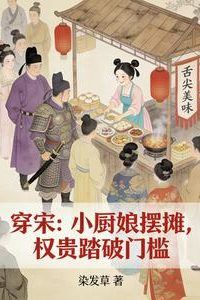
Transmigrated into the Song Dynasty: The Little Female Chef Who Set Up a Stall
+Add to Custom List
Sort
Add review
... Read More
There's a lot going on beneath the surface of this street food rivalry, and I want to unpack the symbolism because it's genuinely clever. The clean cloth versus the filthy swill is the central metaphor, and it's everywhere. Su Qingyan's spotless undergarment beneath her patched apron—that's integrity. You can be poor, you can wear patched clothes, but your inner self remains unstained. The lotus leaves inside the steamer basket? That's another layer—lotus grows from mud but remains pure. She's literally steaming her buns on leaves that symbolize exactly who she is. Then there's the food itself as a symbol of honesty. The fresh meat, the homegrown scallions, the clean wheat—everything she makes is transparent, "clearly and transparently" as she says. This stands in direct opposition to Liu Sanniang's poisoned swill, which represents everything fake and manipulative about her competition. One produces nourishment; the other produces disgust. But the deepest theme here is about reputation and truth in a world where lies spread faster than truth. Liu Sanniang's accusation works initially because the crowd is willing to believe the worst. It takes tangible proof—visible cleanliness, fresh ingredients, a free sample—to turn them around. The story is saying that truth needs to be demonstrated, not just declared. And that ending with the fame points system? That's the author's commentary on how merit and recognition work in a society that often rewards noise over substance. Su Qingyan is already thinking about the next step, the next upgrade. The theme extends beyond this single confrontation into a larger question: in a world that tries to bury you, how do you keep rising?
... Read More
Let me just say this: the pacing in these chapters is absolutely ruthless in the best way. You go from Su Qingyan setting up her stall, to selling out, to being sabotaged, to clearing her name, to selling out AGAIN—and it all happens in what feels like a single morning. But here's the thing: it never feels rushed. The author knows exactly when to slow down and when to accelerate. The setup is quick—you get the product, the price, the initial customers, and boom, word of mouth explodes. Then Liu Sanniang's sabotage hits like a truck, and suddenly the pacing shifts into high gear. The confrontation scene is where it really shines. Su Qingyan doesn't just stand there crying; she systematically dismantles the accusation. Unwrapping the buns, showing the clean cloth, displaying the fresh ingredients—each action builds tension and releases it in turns. It's like a musical composition, and the author is conducting. But what I love most is what happens AFTER the conflict resolves. Most novels would just end on the victory high, right? But no—the author takes us home, shows the family counting coins, and then immediately pivots to Su Qingyan's internal calculation. The fame points, the need to upgrade, the new recipe idea. The story doesn't rest on its laurels. It's already looking forward. The only minor complaint? The transition between the street scene and the home scene is a bit abrupt. But honestly, that quick cut from public triumph to private reflection works in its favor—it gives you a moment to breathe before the next challenge.

Leave a comment

You must be logged in to leave comments. or