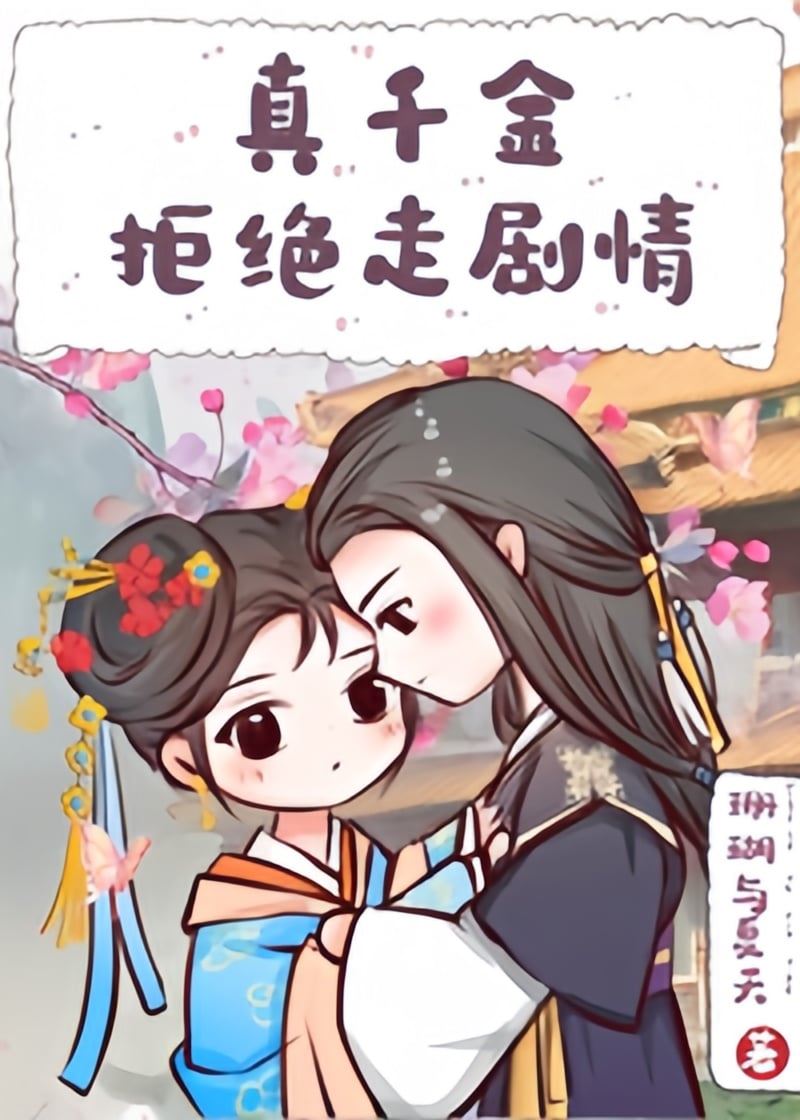
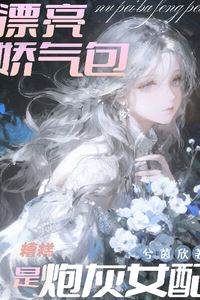
Tao Sheng, a woman who transmigrated into a fictional world ten years ago, lives a quiet life in Beijing with her aunt Su Jia after the death of her adoptive parents. Her peaceful existence is shattered when Shen Yu, the Marquis of Wenyuan, arrives at her residence with shocking news: she is not merely an orphan but the biological second daughter of the Wenyuan Marquis mansion, separated from her family as an infant due to a servant's error during a chaotic birth. The child raised within the mansion, Shen Ruojin, is actually the impostor who took Tao Sheng's place. While Tao Sheng is aware of her role as a minor character in the novel "A Life of Glory," destined to suffer and fade into obscurity compared to the favored Shen Ruojin, she resolves to avoid the tragic fate written for her.
Upon entering the Wenyuan Marquis mansion, Tao Sheng encounters a family deeply entrenched in political maneuvering and internal favoritism. The matriarch, Old Madam Shen, prioritizes the stability and reputation of the family over blood ties, having invested heavily in Shen Ruojin’s upbringing and social standing. Ruojin, aware that her position is precarious, displays a facade of warmth and humility while secretly fearing displacement. The Marquis, Shen Yu, is indecisive and swayed by his mother, while Tao Sheng’s biological mother, Luo Xin, is ill and emotionally conflicted. Tao Sheng quickly discerns that the family’s primary concern is not her welfare but the potential disruption her return could cause to Ruojin’s upcoming appointment as a companion to Princess Hui’an, a role that would secure the family’s influence in the royal court.
The core conflict intensifies as the family attempts to integrate Tao Sheng without altering Ruojin’s status. They propose a deceptive narrative that the two girls are twins, with Tao Sheng being the one lost and found, thereby preserving Ruojin’s legitimacy as the sole daughter. Tao Sheng, however, refuses to accept this arrangement. She understands that becoming a "twin" would still subject her to the manipulative dynamics of the mansion and the dismissive attitudes of her relatives. Her refusal stems from a desire to maintain her autonomy and her loyalty to her adoptive parents, whose memory she honors by refusing to sever ties with them through legal adoption or household registration changes.
A pivotal turning point occurs during a birthday banquet hosted to celebrate Tao Sheng’s return. The event is intended to publicly announce her identity and solidify her place in the family. However, Tao Sheng uses this opportunity to firmly reject the Marquis’s proposal. She cites legal precedents and clan laws regarding household registration, stating that she cannot change her family tree to honor her adoptive parents who raised her. Her calm and resolute stance surprises everyone, particularly Shen Ruojin, who had expected Tao Sheng to be a naive country girl easily manipulated. Tao Sheng’s refusal to play the role of the grateful, submissive sister disrupts the family’s carefully laid plans.
Following the banquet, Tao Sheng returns to her aunt’s residence, leaving the Marquis mansion in a state of uncertainty. The family is left to debate how to handle her stubbornness, with Luo Xin feeling guilt and sorrow, while Old Madam Shen and Shen Yu remain focused on protecting Ruojin’s interests. Tao Sheng’s decision to opt out of the family’s internal struggles marks a significant shift in the narrative. Instead of engaging in the typical "face-slapping" revenge plot common in such stories, she chooses independence, setting the stage for a different path where she must navigate her new reality without the protection or persecution of the noble household.
The story direction moves toward Tao Sheng establishing her own identity separate from the Shen family’s politics. While the mansion continues to prepare for Ruojin’s entry into the palace, Tao Sheng remains in the capital, maintaining a distance from her biological relatives. The tension between her desire for a quiet life and the inescapable pull of her true lineage creates an ongoing undercurrent of conflict. The narrative explores themes of identity, family loyalty, and the power of choice, as Tao Sheng defies the predetermined fate of her character in the novel. Her actions challenge the expectations of those around her, forcing the Shen family to reconsider their approach to her and revealing the complexities of their relationships.
As the plot progresses, the contrast between Tao Sheng’s contentment in her modest life and the opulent yet treacherous environment of the Marquis mansion becomes increasingly apparent. Tao Sheng’s refusal to be a pawn in the family’s schemes highlights her intelligence and resilience. The story sets the stage for future interactions where Tao Sheng’s independence may either isolate her or provide her with the strength to carve out a unique destiny, distinct from the tragic path of the original novel’s supporting character.
| Date | Group | Release |
|---|---|---|
| 2026-08-11 | shanghai fantasy | c152 |
| 2026-08-11 | shanghai fantasy | c151 |
| 2026-08-11 | shanghai fantasy | c150 |
| 2026-08-11 | shanghai fantasy | c149 |
| 2026-08-11 | shanghai fantasy | c148 |
| 2026-08-11 | shanghai fantasy | c147 |
| 2026-08-11 | shanghai fantasy | c146 |
| 2026-08-11 | shanghai fantasy | c145 |
| 2026-08-11 | shanghai fantasy | c144 |
| 2026-08-11 | shanghai fantasy | c143 |
| 2026-08-11 | shanghai fantasy | c142 |
| 2026-08-11 | shanghai fantasy | c141 |