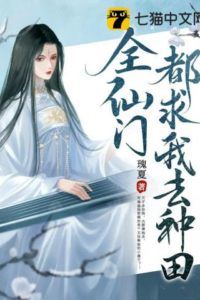
There's a recurring image in these chapters that I can't shake: Chen Miaomiao's white robe. It's mentioned multiple times — "her white robe fluttering gracefully" when she enters the hall, and then later when the Bailongpao transforms into strips of cloth and wraps around her. White. Purity. But also emptiness. She's wearing a name that isn't hers, in a body that isn't fully hers, playing a role written by someone else's legend.
The Bailongpao itself is symbolic on another level. A white dragon silk — something that should be majestic, powerful, alive — reduced to a reluctant partner who needs to be calmed down like a pet. It's the embodiment of her entire situation: appearances of grandeur masking a deeply precarious reality.
And then there's the Chen family structure itself — the main family in Fancheng treating the branch family in Yunluo as "dogs raised by them, living less dignified lives than even the servants." This isn't just worldbuilding; it's a critique of how lineage and bloodlines become instruments of control. The original Chen Miaomiao was discarded, exiled, nearly starved — not because she did anything wrong, but because she was inconvenient. And now her body is being used as a pawn in a game between cultivation families who see people as resources.
The wedding invitation at the end — Chen Ziyi marrying Sheng Feng — represents the continuation of this system. Marriage as alliance. People as currency. And Chen Miaomiao's chilling reaction — "subtly concealing the bone-chilling coldness in her gaze" — tells us she's not just going to survive this. She's going to burn the whole structure down.