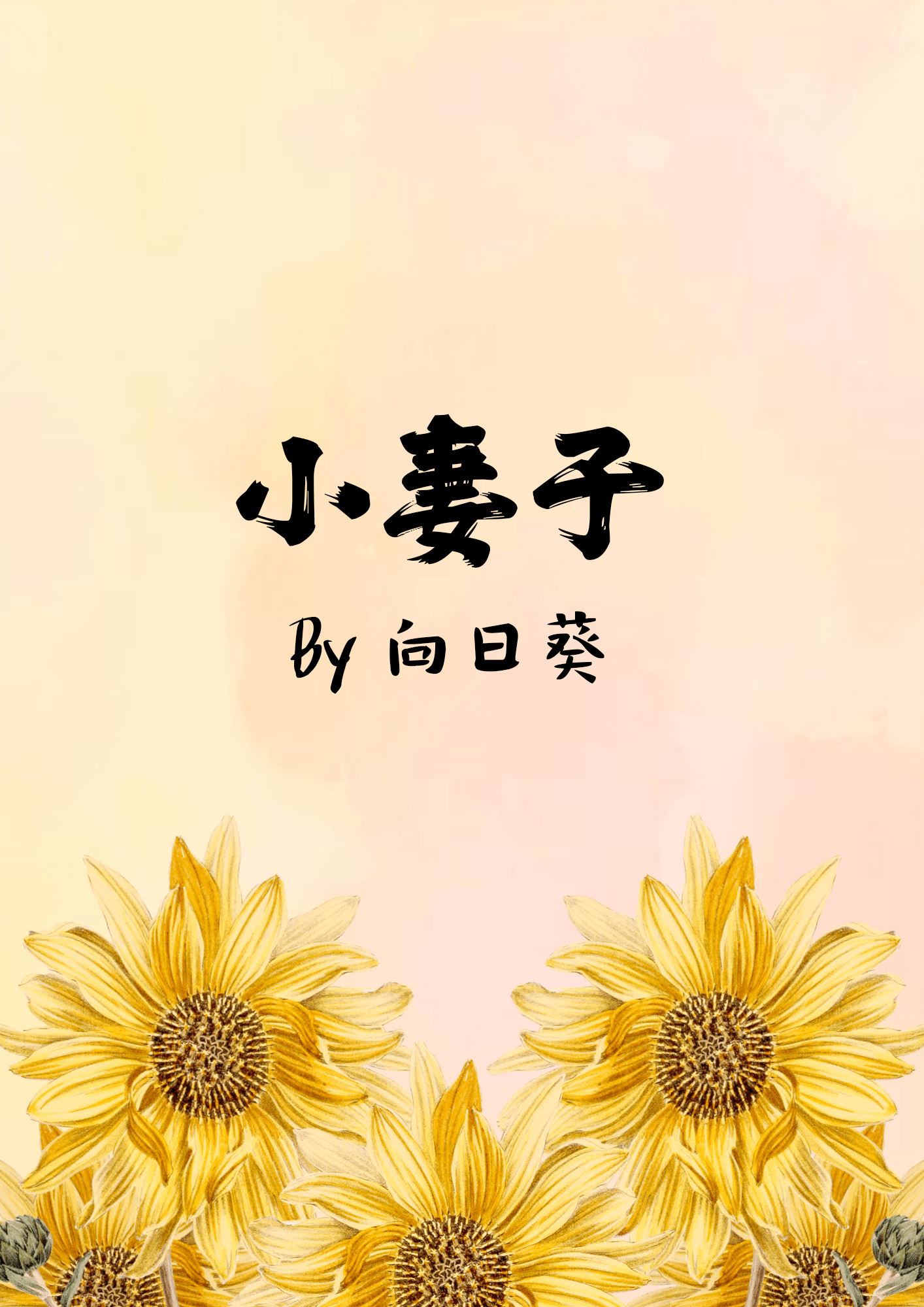
Svyeta Antonovna was born into comfort as the daughter of a provincial landowner, but the revolution shattered her world. The federal government confiscated her family’s wealth, executed her father, and sent her brothers to political prison camps. After her mother died from hardship when Svyeta was fifteen, she was left alone in a bleak industrial city. To survive, she abandoned her noble status and learned to become a mechanic at Roza, a repair shop attached to the Siyaniye tank production company. Her only source of warmth in this desolate existence was Archum Aslankovsky, the son of a high-ranking official who secured her job. For five years, Svyeta harbored a one-sided love for him, finding solace in his visits despite knowing their social chasm made a future impossible.
The fragile peace of her life collapsed when Archum announced his impending marriage to another woman. Heartbroken but resigned, Svyeta continued her work, finding numbness in the physical labor of engine repair. Her routine was interrupted by Jürgen von Bechmann, a wealthy foreign student from Hildenbech and an acquaintance of Archum. For three years, Jürgen had visited the shop daily, observing Svyeta with an intense, unsettling gaze that she initially interpreted as indifference. On the day of Archum’s rejection, Jürgen made a shocking proposal: he asked Svyeta to marry him so they could leave the country. When she refused, citing her lingering feelings for Archum, Jürgen revealed knowledge of her darkest secrets. He disclosed that her eldest brother, Sergei, had died in the labor camp from pneumonia, a fact no one in the outside world knew. He offered to free her two remaining brothers from imprisonment if she agreed to wed him.
Desperate to save her surviving brothers from the fate of their sibling, Svyeta faced an impossible choice. She had no power, no money, and no other allies. Jürgen’s motives remained obscure and sinister, and he explicitly stated that after she bore his child, he intended to kill her. Despite the threat to her life, Svyeta accepted his proposal, viewing it as the only path to familial survival. Jürgen forcibly placed a diamond ring on her finger and took her to his isolated estate in the forest. The first night of their coerced union was violent and degrading. Jürgen blindfolded and bound Svyeta, treating her with cruel detachment and hatred. He stripped away her dignity, mocking her innocence and enforcing his will through physical domination. Svyeta endured the assault, dissociating from the pain and focusing solely on the promise of her brothers’ freedom.
In the days that followed, Svyeta’s existence became a nightmare of submission. Jürgen controlled every aspect of her life, dictating her schedule, her hygiene, and her employment. He forbade her from working at the repair shop, yet kept her confined to his cold, immaculate home. When Svyeta attempted to escape by stealing Jürgen’s car to return to her own apartment, she was arrested for vehicle theft. The police station became a turning point, not of liberation, but of deeper entrapment. Jürgen arrived to bail her out, publicly declaring her as his fiancée. His composure in the face of her criminal act demonstrated his total control over the legal and social systems surrounding her. He extracted her from custody not with kindness, but with icy contempt, dragging her back into his sphere of influence.
Upon her return, Svyeta’s physical and mental state deteriorated rapidly. She suffered from malnutrition, exhaustion, and the lingering trauma of sexual violence. In a moment of weakness, she drove to her old neighborhood, hoping for a connection to her past. There, she encountered Archum, who had come looking for her. The reunion was fraught with anguish. Archum, concerned and gentle, tried to comfort her, but Svyeta reacted with violent rejection. She screamed at him, terrified that he would see her as tainted by her experiences with Jürgen. She locked him out, unable to bear the comparison between her genuine love for Archum and the brutal reality of her current situation. Alone in her shabby apartment, she wept, realizing that her noble past had been replaced by a present where she was nothing more than a commodity traded for her brothers’ lives.
The story concludes with Svyeta trapped between two worlds. She is no longer the proud daughter of a landowner, nor is she the humble mechanic who found purpose in work. She is a prisoner in a gilded cage, bound to a man who hates her and has promised to murder her. Yet, the bond of blood drives her forward. The narrative establishes a tragic trajectory where Svyeta must navigate the escalating psychological abuse of Jürgen while holding onto the fragile hope that her sacrifice will eventually result in her brothers’ release. The tension lies in the uncertainty of whether Jürgen will honor his promise or if Svyeta will succumb to his cruelty before the rescue can be realized.
| Date | Group | Release |
|---|---|---|
| 2026-10-03 | dusk blossoms | c71 |
| 2026-10-03 | dusk blossoms | c70 |
| 2026-10-03 | dusk blossoms | c69 |
| 2026-10-03 | dusk blossoms | c68 |
| 2026-10-03 | dusk blossoms | c67 |
| 2026-10-03 | dusk blossoms | c66 |
| 2026-10-03 | dusk blossoms | c65 |
| 2026-10-03 | dusk blossoms | c64 |
| 2026-10-03 | dusk blossoms | c63 |
| 2026-10-03 | dusk blossoms | c62 |
| 2026-10-03 | dusk blossoms | c61 |
| 2026-10-03 | dusk blossoms | c60 |