I keep thinking about that narcissus flower. Like, I can't stop thinking about it.
On the surface, it's just a plant that Mianmian can talk to. But the symbolism is so rich it's almost overwhelming. The narcissus was a gift from her father to her mother. After her mother disappeared, the father lost interest in everything — the company, the house, presumably his own life. And this flower, this symbol of their love, was left to die on a cabinet because nobody cared enough to water it.
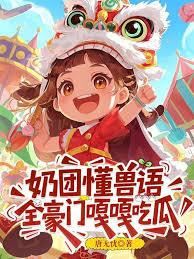
Who waters it? Mianmian. The child nobody takes seriously. The child who was kidnapped and brought back and is now treated as if she's broken because she says something strange. She's the one who sees what others have ignored, who tends to what others have abandoned, who gives life to something that was dying.
"As soon as it was nourished, the narcissus seemed to come back to life, swaying happily. Its dry leaves instantly regained vitality."
This is the entire family in miniature. The narcissus is their mother's memory, their father's love, their family's soul — all neglected, all dying, all waiting for someone to notice. And Mianmian, this little girl with no power and no authority, is the only one who can restore it.
There's also the beast-taming clan backstory that keeps popping up. Mianmian compares people to beasts, talks about clan politics, seems to have lived a previous life as some kind of young leader. Is she literally reincarnated? Is she from another world? The text never confirms, and I think that's intentional. The ambiguity IS the point — she's someone who doesn't belong in this world, who sees through its hypocrisies precisely BECAUSE she's not from here.
And the title of Chapter 6 — "My Mianmian Is Normal" — is dripping with irony. Everyone keeps trying to define what's normal, who gets to speak the truth, who counts as a person. Second Aunt Qin calls Mianmian "not a thing" mockingly, and Gu Xu's voice replies "Of course, I'm not a—" before being cut off. The question of personhood runs through everything.