The symbolism in this section is so dense that I want to sit with it for a while. Let me start with the most obvious image: the mask.
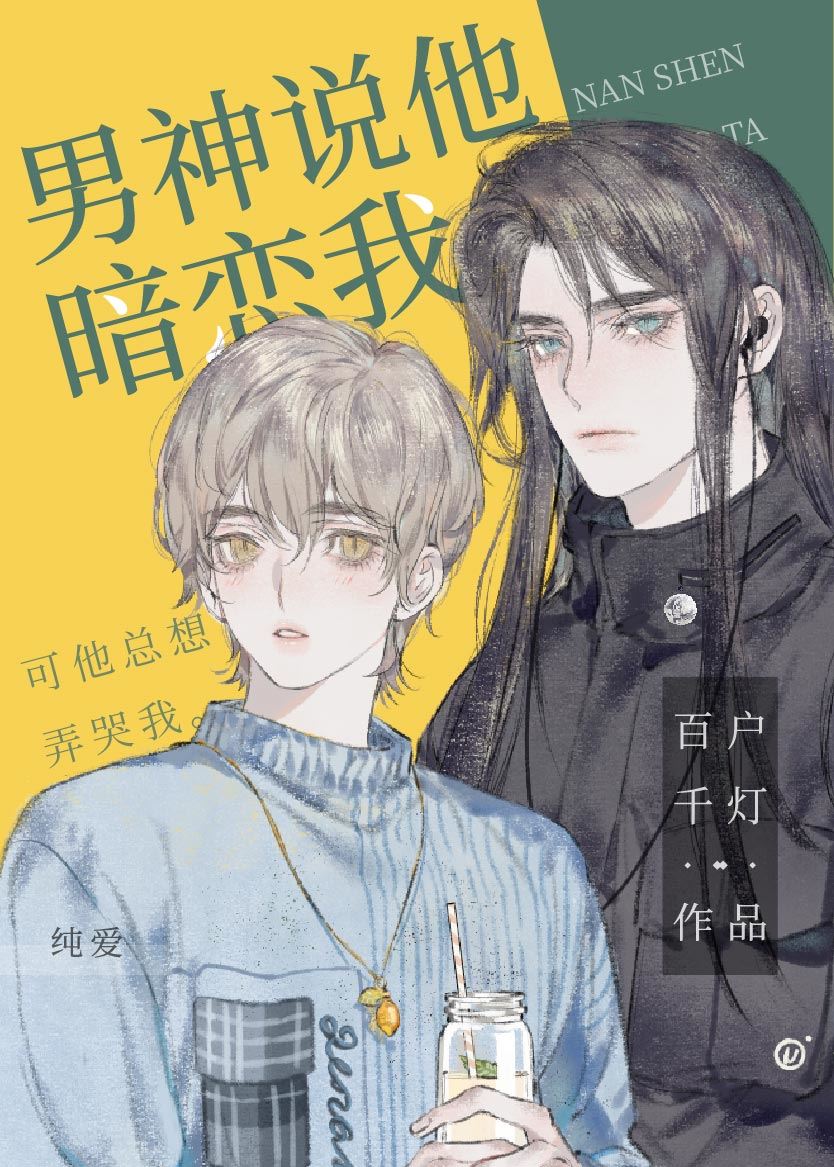
Bai Yexi wears a literal mask—lenses, a face covering, a silver chain—that transforms him into something "noble and cold." But this mask isn't just aesthetic; it's armor. It's the persona he's constructed to survive in a world that wants to consume him. The text tells us: "What a handsome and elegant young genius. That's what makes it all the more incomprehensible." The mask makes him admirable, but it also makes him distant. People see the performance, not the person.
Then there's the blood. The entire scene revolves around blood extraction—Bai Yexi's blood, Shi Qingling's blood, the An family's calculated harvesting of both. Blood as life force, blood as currency, blood as something that can be stored, prepared in advance, collected on schedule. The concept of "autologous backup" is particularly chilling when applied to a human being. It reduces Bai Yexi from a person to a resource—a living blood bank.
The coldness is another recurring motif. Shi Qingling's fingers are pale and cold. Bai Yexi's hands are cold. Dr. Zhao asks if he's cold. The coldness represents both physical deterioration and emotional distance—the emotional freeze that comes from being treated as less than human.
But my favorite symbolic image is the chair corner. Shi Qingling's calf is pressed against it, twisted, stiff, painful—but he doesn't notice. He's so focused on Bai Yexi, so absorbed in the moment, that his own body suffers without his awareness. This is metaphor for their entire relationship: they're both leaning against hard edges, both ignoring their own pain, both existing in a state of chronic discomfort that they've normalized.
The novel itself is also a symbol. Shi Qingling realizes he was "tricked by the novel"—the original story presented events as natural, but the truth was manipulation. This mirrors Bai Yexi's reality: the An family presented themselves as benefactors, but they were actually predators. Stories, like blood, can be collected and controlled by those who hold the pen.