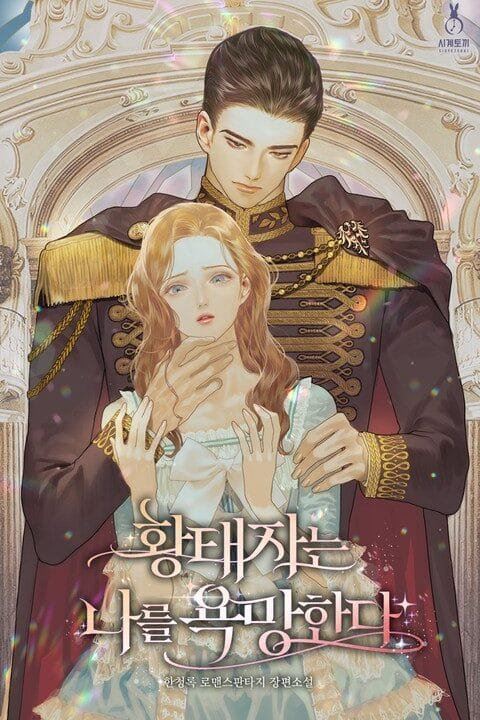
I need to talk about the pacing of these chapters because honestly it's why I stayed up reading until 2 in the morning and my alarm is going to be brutal tomorrow.
The first thing I want to say is: the opening is chaos. Like, immediate chaos. A single bark becomes a full-blown dog fight, a horse rears, Amelia falls. No slow build, no preamble—just THUD, you're in it. And then it cuts to Josef arriving at camp, which is a total tonal shift. One minute it's panic and snow and injury, the next it's quiet carriage conversations and cigarette smoke. That contrast is what kept me hooked.
Here's the part that got me: Amelia waking up alone. The author slows everything down here. Every sensation is described in painstaking detail—the cold, the pain, the fear. "A faint fear began to cloud Amelia's blue eyes." And then she sees the figure. The pacing stretches during that moment of recognition. Josef doesn't move. Amelia doesn't move. The text just sits there with her, and you feel every second of it.
"I called for him. He's coming because I called." That realization hits right when the pace picks back up, and then it's a rush—Josef carrying her, the horse ride, the arrival at camp, the nobles gossiping, the dagger ceremony. The whole thing builds from frantic to frozen to relentless momentum.
And then it cuts to Marika, completely fresh scene, new POV, different energy. No cliffhanger per se, but that ending line—"Having another noble in such a position felt..."—it trails off in a way that screams next chapter. I was already halfway through when I noticed the time.
The author knows exactly when to speed up and when to slow down. That's the mark of someone who really understands narrative rhythm.