That's All for Tonight, Your Majesty
+Add to Custom List
Genres:
Novel Info
  • Author:
  • Status:Ongoing

Summary

... Read More
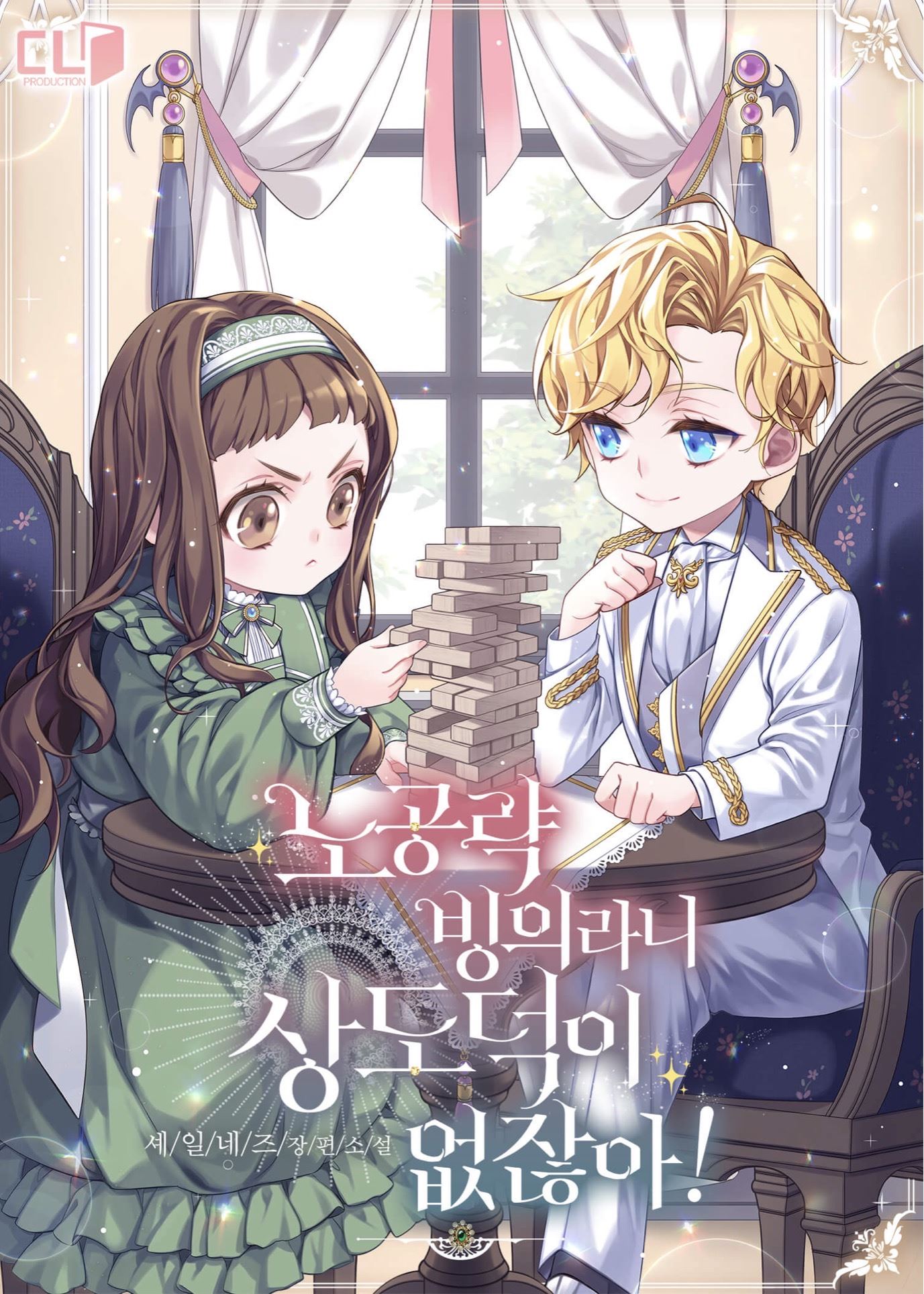
Jo Yun-ah, a 27-year-old Korean woman who had just passed the Level 9 civil service exam after five years of failure, experiences a fatal bus accident. When she regains consciousness, she discovers she has transmigrated into the body of Leila Whyman, the only daughter of Nathan Whyman, the Prime Minister and highest noble of the Oneroad Empire. The transmigration occurs on the day of Leila's arranged marriage to Emperor Charte Diomote, a ruler known for his coldness and tyranny following a traumatic betrayal by his former wife, Empress Yasrin.

Yun-ah, originally confused and terrified by her new identity and the impending wedding, quickly adapts with a survival mindset. She realizes that to maintain her position and find a way back to her original life, she must successfully play the role of Empress Leila. The political context reveals that the Oneroad Empire's nobles and officials orchestrated this marriage as a desperate measure to stabilize the Emperor emotionally. After Yasrin's abandonment, Charte developed an extreme aversion to women, rejecting concubines and noble ladies alike, which threatened the empire's stability. Prime Minister Whyman volunteered his daughter, Leila, despite her prior unavailability due to Charte's childhood obsession with Yasrin.

The wedding ceremony proceeds with Yun-ah maintaining her composure despite the cultural shock. She observes Charte's imposing physical presence and handsome appearance but notes his cold, detached demeanor. At the wedding ball, Charte ignores Yun-ah completely, reinforcing her understanding that this is a political arrangement without romantic expectations. The tension escalates on their wedding night when Yun-ah, having consumed spiked alcohol, vomits in Charte's chambers. In the Oneroad Empire, this act constitutes the crime of insulting the imperial family, punishable by death. Facing execution, Yun-ah devises a desperate negotiation.

She proposes a contract to Charte: in exchange for sparing her life, she will serve as a show-window empress who causes no political trouble while remaining completely uninterested in the Emperor personally. Furthermore, she claims she can heal Charte's emotional wounds caused by Yasrin's betrayal through storytelling—specifically, narratives he has never encountered. Charte, intrigued by her audacity and recognizing the utility of a compliant empress, agrees to the terms. He establishes a strict deadline, warning that if her stories fail to entertain or worsen his condition, he will execute her the following day.

Yun-ah begins her first story, adapted from a Korean drama titled 'The Seduction of the Marked Wife,' about a woman betrayed by her husband and best friend who returns for revenge. Charte remains expressionless, occasionally pointing out plot inconsistencies, but continues listening. Yun-ah realizes that her knowledge of Earth's pop culture represents an entirely new form of entertainment in this fantasy world, giving her a unique advantage. The narrative establishes a dynamic where Yun-ah must constantly produce engaging content to survive, while Charte maintains absolute power over her life.

The story introduces secondary characters who will influence the political landscape. Ivester Pahorder, the eldest son of Duke Pahorder and a childhood friend of Leila, harbors unrequited love for her and watches the wedding with despair. Mary, an illegitimate daughter of Baron Anderson, attends the ball with ambitions to rise in status. Meanwhile, Charte's 27th concubine, Lady Saint-Joseph, attempts to approach the Emperor during the wedding and is publicly Humiliated when Charte orders her removal, demonstrating his continued rejection of romantic entanglements.

Yun-ah's internal struggle centers on balancing her modern sensibilities with the rigid hierarchies of the empire. She maintains a facade of subservience while internally criticizing Charte's cruelty and the unfairness of her situation. Despite the danger, she finds moments of amusement in her new reality, particularly when observing Charte's perfect appearance and reacting to his volatile moods. The contract between them remains informal but binding, with Yun-ah holding a blank check request as potential leverage for her eventual return to her original world. The opening chapters establish the foundational conflict: Yun-ah's quest for survival and return versus Charte's emotional isolation and political obligations, set against the backdrop of imperial court intrigue.

Latest Release
DateGroupRelease
2026-10-03dusk blossoms c118
2026-10-03dusk blossoms c117
2026-10-03dusk blossoms c116
2026-10-03dusk blossoms c115
2026-10-03dusk blossoms c114
2026-10-03dusk blossoms c113
2026-10-03dusk blossoms c112
2026-10-03dusk blossoms c111
2026-10-03dusk blossoms c110
2026-10-03dusk blossoms c109
2026-10-03dusk blossoms c108
2026-10-03dusk blossoms c107

Community Reviews

Rating(0 / 5.0, 40votes)
5 stars
0(0%)
4 stars
0(0%)
3 stars
0(0%)
2 stars
0(0%)
1 stars
0(0%)

Popular reviews

... Read More
Beneath the transmigration comedy and wedding panic, there are some striking symbolic layers worth unpacking. Fire and water bookend the entire opening sequence. First, there's the literal fire—the bus engulfed in flames, the explosion, the heat pressing against her skin. Then there's the warm rose-petal bath, the steam, the water that becomes her unintended refuge. Fire destroys. Water suffocates. Both are forces she can't control, and both represent the violent transition between two lives. The body swap itself is deeply symbolic. Jo Yun-ah spent her entire pre-transmigration life being invisible—the "reclusive shadow," the sister who never measured up, the girl who watched from the sidelines while her successful sibling took the spotlight. And then suddenly she's Leila: the most visible woman in the empire, about to marry into absolute power. She's gone from zero attention to maximum visibility in one breath. Is this punishment or salvation? Both. That's the point. Her civil service exam represents meritocracy—the idea that hard work leads to reward. She earned it. She suffered for it. And the universe took it away before she could even enjoy it. The transmigration becomes a dark mirror of that injustice: she gets a "new life" but not one she chose, not one she earned, and certainly not one she asked for. The universe owes her a breakthrough and instead gives her a bathtub full of roses and a wedding she didn't sign up for. Then there's the wedding itself as symbol—a ritual about joining two lives, two families, two political powers. She's being married off as a vessel, not as a person. The maids undress her without her consent. The nanny manages her like a precious object. She has no voice in this arrangement. The theme here is clear: powerlessness dressed up as privilege. "I want to live so badly. Please help me." That desperate plea from the burning bus isn't just about survival—it's about agency. She wants to exist on her own terms. And the question hanging over the entire story is whether Leila's life, with all its luxury and danger, will give her that or take it further away. The fire didn't kill her body, but will this new life kill Jo Yun-ah's identity?
... Read More
Okay so this entire chapter is basically Leila's wedding night disaster movie and I am OBSESSED. The plot structure here is genius because it starts with what should be the most intimate, romantic moment and turns it into absolute chaos. She gets drunk, gets her body washed by maids (which is surprisingly tender), then passes out, VOMITS ON THE EMPEROR on their wedding night. Like. Wow. No filter, no tact, just pure physical comedy. But then it pivots so hard. Instead of just being a slapstick scene, Charte actually brings up that this is 'the crime of insulting the imperial family' and now she's on the brink of execution. The stakes go from 'I embarrassed myself' to 'I might die' in about five seconds. That escalation is so well done. And then her pivot into 'I'll heal your wounds with stories' is such a Leila move—panicked but resourceful, throwing out whatever comes to mind. What I love is that the plot never lets us rest. One moment she's negotiating for her life, the next she's accidentally saying things like 'a shot aimed at your life' like it's a practical suggestion. The author keeps pulling the rug out from under her every few paragraphs. And that ending where she starts laying out her case for why she's the perfect empress? I needed that cliffhanger immediately.
... Read More
There's something really cinematic about the way this author writes space and atmosphere. Let me just start with the opening scene—she's jumping on the bed, throwing cushions around like a maniac at dawn, and Madam Peggy walks in with this deeply uncomfortable face. The contrast between Yun-ah's internal chaos and the stiff palace etiquette around her creates this weird dreamlike quality. You can FEEL the absurdity of her situation. Then the garden scene at night. She sneaks out, stops the knights from following, goes to this unfamiliar deserted garden far from the Empress's Palace. Spinning in circles. And the emperor finds her there—his knights surrounding her first, his eyes sharpening, wondering if she's cast some dark magic or lost her mind. The visual of her arms spread out in the moonlight, spinning like someone possessed, and him walking toward her thinking she's in danger? That's a movie scene. Pure movie scene. And the mirror moment before the party—she looks at herself and almost falls in love with Leila's appearance. "Her current appearance was even more beautiful, enough to make her heart flutter." The author doesn't overdescribe the dress but the emotional weight of seeing yourself through someone else's eyes in a mirror is everything. Then the whole palace erupting into pink rumors again—the emperor who barged in unexpectedly, the disheveled room (because of DANCING, not what they think), both of them drenched in sweat. These l*stful demons. I laughed out loud. The world feels so alive and gossipy and real.
... Read More
Let's talk stakes, because they're multiplying faster than I can track. On the surface: Leila must survive the wedding banquet, please the emperor, and secure her position. But layer by layer, the conflicts deepen. There's Viviana's jealousy, Mary's hidden ambitions, Ivester's obsession, Princess Hyrelia's disappointment, and the ghost of Yasrin casting shadows over everything. The dance isn't just a dance — it's a test with consequences. The budget meeting isn't just administrative — it's Leila's chance to prove her worth beyond her face and title. And that final confrontation with Ivester? “Have your feelings changed? I remember that night vividly.” What night? What feelings? What history does he share with her that he hides from everyone else? The author has built a pressure cooker of external threats and internal doubts, and every scene adds another valve to release. I am emotionally invested in whether Leila survives this court alive — and whether she'll find something resembling happiness while doing it.
... Read More
There is a moment in this chapter where Charte hears the title 'The Seduction of the Marked Wife' and his entire demeanor shifts from cold emperor to actively murderous. And our narrator — instead of cowering like any reasonable person would — she literally YELLS AT HIM. "If you close your eyes, I can't tell if you're sleeping or listening, so how can I tell the story!" My person. My absolute champion. What hit me emotionally in this section wasn't the romance tension (though that's building, don't @ me) but the sheer desperation underneath. She's betting her LIFE on telling stories to a man who could execute her before breakfast, and she's doing it alone in a room with no allies. Her internal monologue is this beautiful chaotic mix of genuine terror and forced comedy — she's performing bravery because the alternative is death. And the fact that she keeps slipping into her real personality despite trying to stay in 'servile business tone'? That's not acting. That's someone who is tired, scared, and just really wants to be heard. The emotional core here is actually profound: two broken people, one who has power over life and death and uses it like a weapon, and one who has nothing but her voice and is offering it anyway. The CP chemistry is simulating at the speed of light.
... Read More
Yun-ah's narrative voice is the standout element of these chapters. The contrast between her deadpan, modern-Korean-everywoman internal thoughts and the stiff, formal dialogue required in court is where the humor lives. Listen to this: 'Talked all night until my mouth went dry just to extend my life by a week... Haa... I'm really lucky to still be breathing with two nostrils.' That's not how an empress is supposed to think, and that's exactly why it works. She's a transmigrated soul playing a role, and her voice constantly betrays the absurdity of her situation. 'Imperial rights taking precedence over human rights'—she's literally modernizing her complaints about a fictional empire. The dialogue with Charte is masterful because on the surface it's formal and strained, but underneath there's this entire subtextual conversation happening. When she says 'Let's do that, this week's empress' with a scratched expression, the reader understands he's amused even though his face shows nothing. And her interactions with the nobles—'By this point, isn't this more like a public hand rather than my hand'—the running commentary is gold. It's self-aware without being meta, funny without breaking the tone. Even secondary characters have distinct voices. Madam Peggy speaks with practiced warmth that sometimes cracks to reveal something colder. Viscount Catano's surprise when told to prepare hot tea feels genuine. And Ivester's one line—'I pray that at your end... you will be with the one you truly love'—is delivered with such loaded silence that it becomes the most dialogue-heavy moment in the entire chapter despite being just one sentence. The author trusts the reader to fill in what's NOT said.
See all reviews

Custom lists

See all custom Lists