Summary

... Read More
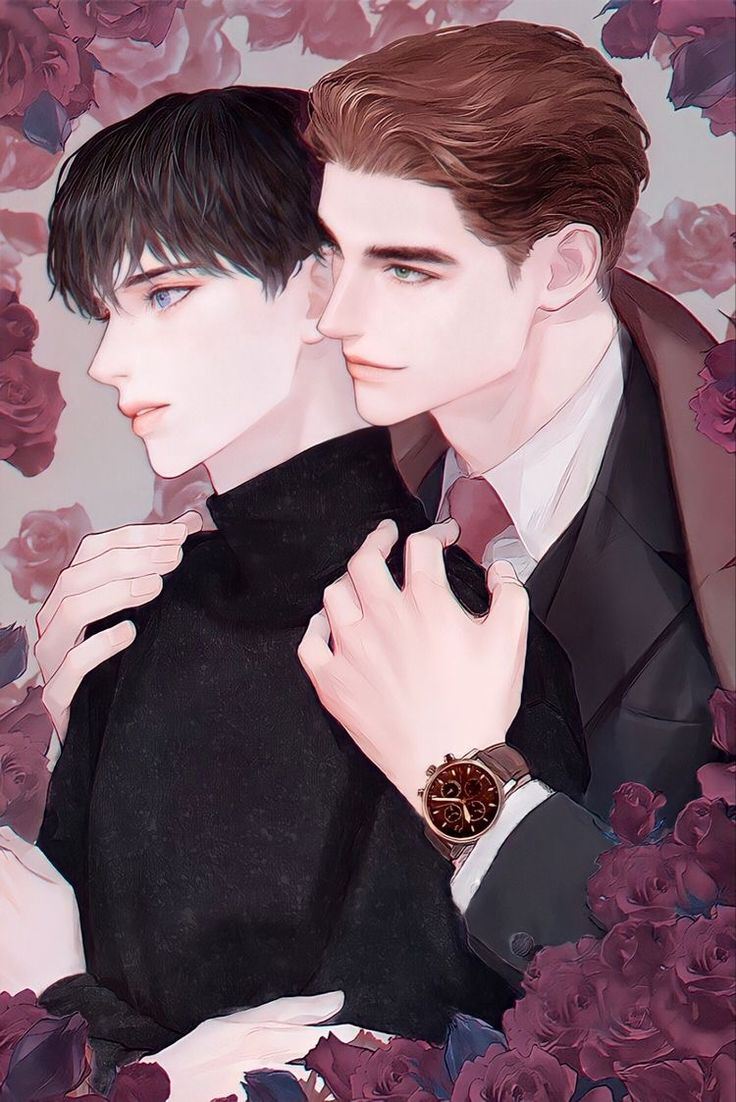
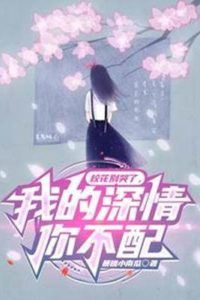
Yu Le is a twenty-five-year-old fashion designer who has already achieved significant success by establishing his own brand, Fengsheng, and winning numerous awards. Despite his professional accolades, his personal life is marked by unrequited feelings for Cheng Xiwu, a fellow design student who is now getting engaged. When Yu Le’s latest design draft is rejected by a senior industry figure for lacking emotional warmth, he becomes frustrated and disillusioned with his work. Seeking a change of pace and inspiration, he travels to Xuancheng, ostensibly to find creative renewal but primarily to avoid attending Cheng Xiwu’s upcoming engagement party and to evade an arranged blind date set up by his mother.Upon arriving in Xuancheng, Yu Le stays at the Chaoyu Hotel. His evening begins with a welcome dinner hosted by his childhood friend Yan Jia and their former high school roommates. During the meal, Yu Le reflects on his past loneliness while studying abroad and how Cheng Xiwu once provided him with comfort, though those feelings were never reciprocated. After the dinner, Yu Le returns to his hotel room intoxicated and unwell. Meanwhile, Lu Yao, a retired special forces soldier turned business executive, attends a corporate networking banquet. Due to a mix-up involving a substance-laced drink intended for someone else, Lu Yao experiences sudden physical distress and retreats to his suite on the twentieth floor.In the elevator, Yu Le encounters Lu Yao. Drowsy and confused, Yu Le follows Lu Yao into his room, believing it to be his own. The situation escalates quickly as both men are affected by external circumstances that impair their judgment. They engage in an intimate encounter, after which Yu Le wakes up alone the next morning. Overwhelmed and embarrassed, Yu Le checks out of the hotel immediately and heads to the hospital for a medical examination. He then boards a long-distance bus to Daiwa Town, a remote mountainous area he had selected for its untouched, rustic atmosphere, hoping to find inspiration there.Yu Le checks into a guesthouse in Daiwa Town, only to discover that the owner is Lu Yao. The two are forced to navigate the awkwardness of their previous night together while living in close proximity. Yu Le struggles with physical discomfort from the previous night and accidentally takes the wrong suitcase, which contains his valuable design materials. Lu Yao assists him in recovering the luggage, arranging for its return via a bus service eight days later. During this time, Yu Le falls ill with a high fever and allergies, prompting Lu Yao to take him to a local clinic. Lu Yao cares for him throughout the night, revealing a softer side beneath his stoic exterior. As Yu Le recovers, the two begin to spend more time together, exploring the quiet town and dealing with the lingering complications of their unexpected connection. The story sets the stage for a developing relationship between the guarded Lu Yao and the emotionally vulnerable Yu Le, as they confront their past feelings and current realities.
Latest Release
DateGroupRelease
2026-09-26knoxt c89
2026-09-26knoxt c88
2026-09-26knoxt c87
2026-09-26knoxt c86
2026-09-26knoxt c85
2026-09-26knoxt c84
2026-09-26knoxt c83
2026-09-26knoxt c82
2026-09-26knoxt c81
2026-09-26knoxt c80
2026-09-26knoxt c79
2026-09-26knoxt c78

Community Reviews

Rating(4 / 5.0, 383votes)
5 stars
137(36%)
4 stars
121(32%)
3 stars
125(33%)
2 stars
0(0%)
1 stars
0(0%)

Popular reviews

... Read More
There are so many things going on beneath the surface in these chapters that I keep coming back to. The most striking one for me is that toy airplane. Yu Le knocks over a toy plane during the tensest moment of the scene and bends to pick it up. Lu Yao reaches for it at the same time, gently grasps it, soothes him, and places it back. In the middle of a confrontation that shatters a couple's engagement and exposes someone's character, this tiny domestic gesture happens almost unnoticed. But it means everything. The plane is their actual game piece from earlier—the virtual airplane game where Yu Le was triumphantly knocking people back home. It's a fragment of the lighthearted world before the tension hit. Lu Yao picking it up and returning it to its place is him restoring order, not just physically but emotionally. He's saying, without words, that this moment of violence will pass and things will be put back where they belong. And then there's the locust flower fragrance that 'was diminished' when the atmosphere turned cold. Flowers are fragile. Their scent fades when the air changes. That's exactly what's happening to Su Hui and Cheng Xiwu—their relationship was blooming (or at least appearing to) in this pleasant courtyard setting, and one conversation killed the fragrance. Wang Wenyin herself is almost symbolic—she's the one who speaks uncomfortable truths while everyone else is politely eating watermelon. The truth-seeker in a room full of people avoiding the obvious. And her final line to Guan Zheng about 'crawling out of your turtle shell' is both a joke and genuine advice. She sees potential in people others overlook, which mirrors what Lu Yao sees in Yu Le.
... Read More
The reverse-wishing Buddha is the most interesting symbolic element I've encountered in a while and I keep coming back to it. You have to tell the Buddha what you DON'T want in order to get what you DO want. It's almost like a superstition-based version of manifestation, or maybe it's closer to the idea that you have to name your fears before you can release them. Yu Le's wishes start with the surface-level and petty — rain, annoying people, failed businesses — and then they spiral into something terrifyingly honest. "I hope Cheng Xiwu contacts me more. I hope I can continue to like him forever." The second one especially — why does he say "continue to like" instead of just "keep liking"? There's an awareness there, a fear that this feeling might not last, or that it shouldn't. And the Buddha hears it anyway, through this backward channel. Lu Yao's wish, the one he never speaks, is probably the exact opposite of what Yu Le just confessed. That's the irony. He whispers something to the Buddha that he'd never dare say out loud to Yu Le, and then covers his own ears so he doesn't have to hear it himself. The bell is another symbol — it marks transitions, boundaries between the sacred and the ordinary, between what's said and what's left unsaid. Every time it rings, something shifts.
... Read More
The stakes in this chapter are deceptively simple on the surface — unrequited love, obviously — but the author layers them so effectively. Yu Le's internal conflict isn't just 'I liked someone who didn't like me back.' It's deeper: he's angry that Cheng Xiwu led him on without realizing it, confused about why kindness felt like hope, and devastated that he can't even attend the engagement without performing happiness. The scene where Yu Le debates messaging Cheng Xiwu versus pretending he doesn't care is agonizing because we've all been there. But here's what elevates the conflict: Lu Yao's presence changes everything. Suddenly there's not just loss, there's possibility. The tension between Yu Le's lingering attachment to Cheng Xiwu and the undeniable pull toward Lu Yao creates this gorgeous emotional quadrilateral. When Yu Le admits the blind date was a lie, he's confessing not just to Lu Yao but to himself. The stakes shift from 'will Cheng Xiwu notice my feelings?' to 'what am I actually willing to risk?' Lu Yao's phone call at the end raises the external stakes — is he making a move? Setting something in motion? The chapter ends on this knife's edge where Yu Le thinks he's just venting but actually crossed a threshold he can't uncross. And Lu Yao? He's clearly calculating, clearly interested, but the question is whether he'll act or keep protecting Yu Le from further pain. The emotional whiplash here is incredible.
... Read More
Let's talk about how this chapter builds tension like a slow leak that suddenly becomes a flood. It starts quiet. Rice bowl. Chili peppers. Trash can. Sink. Domestic, mundane, almost boring. Lu Yao gives instructions about spice levels and Yu Le has nothing to do but stare at burlap sacks. The pacing here is deliberate—we're settling in, getting comfortable with the rhythm of this inn, this mountain, this relationship. Nothing urgent. No stakes. Just two guys sharing a space and figuring out how to coexist. Then comes the quicklime. Moisture absorption. Mountain dampness. And suddenly there's a problem—not an emergency, but a condition. Yu Le might not adapt. Lu Yao is preparing for a scenario that hasn't happened yet. This is foreshadowing dressed up as hospitality. The author is telling us: something wet is coming. Something that tests resilience. Something that reveals how fragile Yu Le actually is. And then—the wind. The rain. The storm hits like a plot twist. Here's where the pacing accelerates. First, the garden. Flowers swaying. Hydrangeas in peril. Yu Le counting, worried, then the wind picks up and the rain starts and suddenly we're in action mode. Lu Yao moves. Not slowly. Not deliberately. *Swiftly.* He braves the rain. He moves pots. His hand loses strength. The pot falls. Petals scatter. This is the first beat of crisis. Small, contained, almost tragic in its intimacy. A flower pot hitting ground. A moment of failure. Then Yu Le moves. He springs up. Runs downstairs. Dashes into the rain. Eyes nearly shut. This is the escalation. The stakes rise from “protect the flowers” to “help the person helping the flowers.” The pacing is now full sprint. He slips. Twice. On moss. On flagstones. And before he can fall, strong arms catch him. The eaves. The towel. The scolding. “What are you doing?” The confrontation. The tension peak. Yu Le stunned into silence. Holding the pot. Looking up. Seeing the face. And then—immediate deceleration. The scene winds down. Hair drying. Towel wrapping. The pot being placed back with its family. Lu Yao positioning himself as a human windbreak. “Go back inside. Take a shower. Change clothes.” The storm passes. The structure completes its arc. But here's the genius part: the author doesn't let us rest. We're still in the emotional aftermath, still processing what just happened, and then—Aunt Zhang appears with ginger soup. New beat. New escalation. The concern continues, just in a different form. Warm liquid. Forced consumption.鼻歪ing. The humor undercuts the tension but doesn't release it. Then bedtime. The quietest scene in the chapter. Footsteps. Door opening. Darkness. Palm on forehead. Sigh. And then the dream. Which is where the pacing does something interesting—it drops us into Yu Le's subconscious, where the metaphor of clay becomes literal. Nüwa kneading. Recycling threats. Running around making dolls. This is the internal climax. The emotional truth that the external plot hasn't fully articulated yet. Morning. Tank top. Shoulders. Yawn. Back to bed. The pacing flattens again, but the reader is left hovering. We've had the storm, the crisis, the rescue, the dream, and now we're back to normal. Except nothing is normal. The relationship has shifted. Yu Le knows something now. Lu Yao knows something. The reader knows everything. And then—comedy relief. The mother and child outside the rice cake shop. “You're just a stumbling block!” “Come over here!” “It's child abuse!!!!” This is pacing as palate cleanser. Sharp, loud, chaotic, then suddenly—Zhao Xiaosong spots Lu Yao and uses him as a shield. The chapter ends on this note of protective chaos, which mirrors everything that just happened but in a completely different register. The structure here is brilliant because it follows a pattern: calm → tension → crisis → resolution → reflection → new calm → internal processing → comedic release. Each beat serves the whole. Nothing drags. Nothing rushes. The rainstorm is both literal weather and emotional catalyst, and the pacing makes sure we feel every drop. The author knows when to speed up—the slip, the catch, the scolding—and when to slow down—the ginger soup, the midnight check, the dream. The chapter breathes. It has lungs. It takes in the storm and exhales the aftermath. And it ends with a kid running to a man for protection, which is the same story that just happened, just dressed in different clothes. The structure mirrors the theme. The pacing proves the point. We've been through a rainstorm, and we're still here.

... Read More
The pacing here is absolutely masterful, and I need to talk about how the author controls the reader's experience scene by scene. We start in the elevator—a confined space, bright lights, the contrast between Lu Yao's composed exterior and what's happening internally. The rhythm is deliberate, almost hypnotic. Those short paragraphs, the repeated button-pressing, the silence—everything builds this simmering tension. Then once they hit the 20th floor and walk down that carpeted corridor, the pace quickens imperceptibly. You can feel Lu Yao's composure cracking with each step. By the time they enter the apartment, the urgency has shifted entirely. The dialogue becomes fragmented, breathless. And then the scene itself—the intimate encounter—passes over in just a few lines, almost too fast, which actually makes it feel more overwhelming rather than less. It's like the narrative itself is breathless, caught off guard by its own momentum. Then the morning after: suddenly the pace drops to a crawl. Yu Le waking up, the gradual return of memory, the physical awkwardness of getting dressed. The author uses this deceleration to let the emotional consequences land. By the time Yu Le is crawling toward the door clutching his clothes, we've had time to sit with the weight of everything that just happened. The structure mirrors the experience perfectly—rising tension, climactic release, then the long exhale of aftermath.
... Read More
Yu Le watching Lu Yao come down those stairs with a plum blossom knife and immediately wanting to follow him? And then this whole internal debate where he's like 'should I be clingy today or give him peace?' and then exactly thirty seconds later bursts into the room anyway?? I literally screamed. This man is hopeless and absolutely adorable. The way he talks to Da Huang though — 'why does your boss seem like a flower, making this bee want to buzz around him?' That's not just a crush, that's full-blown soul-level recognition. He sees something in Lu Yao that even Lu Yao probably doesn't fully understand himself. And then there's Wang Wenyan sliding in with 'what do you see in him?' like she's not the one causing chaos by showing up uninvited. Her question lands differently when you think about it — is she genuinely curious, or is she testing the waters? Because the way she twirled her red nail polish while saying it felt calculated. She's reading the room, reading Yu Le's reaction, and clearly enjoying herself too much. But the real character moment for me was Lu Yao squeezing Yu Le's hand before telling him to stay put when they went to see Grandma Lu. Just one gesture, no words needed. After everything we've seen between them, that small physical reassurance says so much about where their relationship has landed. Lu Yao doesn't do a lot of things openly, but with Yu Le... he's getting there.
See all reviews

Custom lists

See all custom Lists