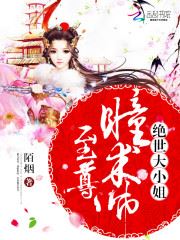
'Luo Qingtong's eyes were blood-red in nature; granting her the power to see through everything in this world.' Let me just sit with that sentence for a moment. Eyes. Seeing. Truth. These are the central symbols of this entire passage, and they're working on so many levels at once.
On the surface, her blood eyes represent power—the ability to perceive what others cannot. But the story immediately inverts this. Her eyes are destroyed. She's blinded. And yet—she sees MORE than ever before. The irony is delicious. When her physical vision fails, her spiritual vision awakens. 'Even without her sight, her opponent's every move was within the palm of her hands.' This isn't just a cool power-up moment; it's a statement about the nature of perception itself. True sight isn't about physical eyes. It's about something deeper.
The blood motif runs through everything. 'Black as old ink' blood streaming from her eyes—that's a gorgeous, horrifying image. Blood as both wound and power source. The color red appears again in the 3D vision overlay, creating this thread that connects her pain to her awakening. What is blood, really? In this story, it seems to represent both vulnerability and absolute capability. She bleeds, she breaks, she falls—but the blood also carries something ancient and formidable.
There's also this recurring theme about looking versus being seen. Throughout the backstory, we learn that her abilities made her a target. 'All the countries in the world... wanted her ability. They wanted her to serve them!' She was never truly free because everyone wanted to USE her sight for their own purposes. Now, in her darkest moment, when everyone thinks she's blind and powerless, SHE is the one who sees everything. The betrayed becomes the observer. The victim becomes the hunter. That's not just plot—it's philosophy wrapped in narrative.
And the tree, of course. Striking, ancient, ten men wide—it represents endurance, permanence, the earth itself witnessing human cruelty and human resilience. She falls beneath it, broken. She rises beneath it, changed. The tree doesn't judge. It just watches. Sometimes the simplest symbols carry the heaviest weight.