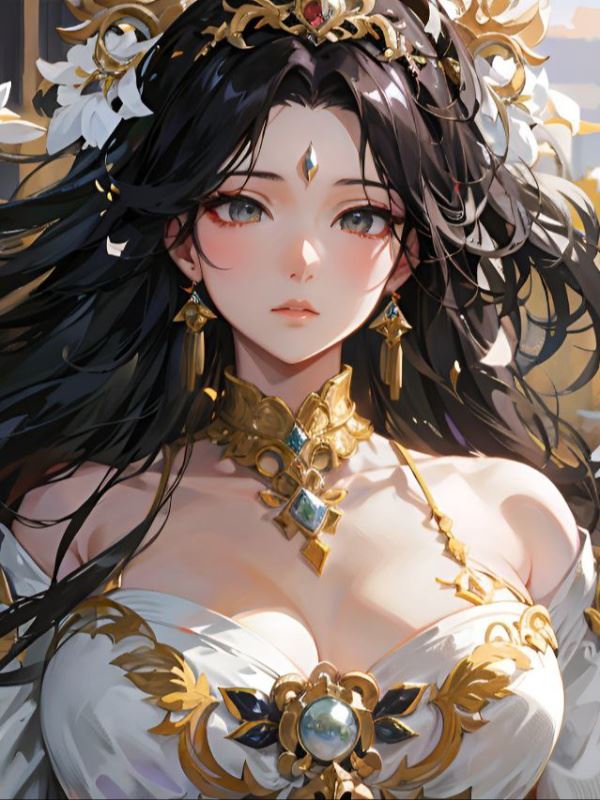
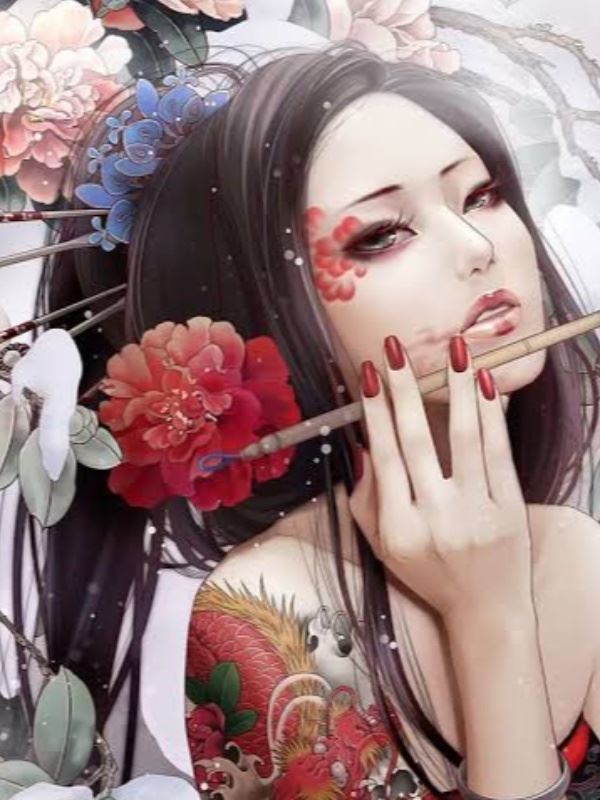
The stakes in this novel are deceptively simple on the surface but deeply complex underneath. On one level, it's a romance—will Han Qingmo and Yanchu marry? Will they be happy? But the real conflict is about transformation, about finding yourself in the arms of someone who sees you truly.
Yanchu's internal conflict is the primary tension. She's spent twenty years being quiet, submissive, keeping her head down. Now she's found someone who makes her want to be vibrant, to laugh, to stamp her foot and demand attention. But can she sustain this new self? Will the old fears return? The author makes us care deeply about this question because we've seen her transformation firsthand.
Han Qingmo's conflict is equally compelling. He's a man with a 'reputation isn't exactly great,' from a 'prestigious family background,' engaged to a girl who's nothing like he expected. His internal struggle is between his cold exterior and the warmth he's finding. Can he be soft? Can he smile? Can he love without losing himself?
The external conflict comes from Yannuo's protection. She's threatening Han Qingmo with a bowl of medicine, warning him not to let Yanchu suffer. But underneath that threat is genuine fear—fear that her sister will be hurt, that the gap between them is too wide, that his reputation will taint her happiness. This creates tension because we know Yannuo is right to be protective, but we also know Han Qingmo is changing.
Xiang Yang's conflict is comedic but real. He's pursuing Yannuo, who seems indifferent. Will she ever see him as more than a persistent suitor? The Matsutake prayer scene is hilarious, but it's also heartbreaking—this man willing to beg fungi for love shows the vulnerability underneath his bright exterior.
The family conflict is subtle but present. The He siblings have their own dynamics, their own histories. Yancheng and Yanhua going up the mountain at dawn, coming back with baskets of mushrooms—it's not just plot, it's family bonding, it's love shown through action. The question is whether this family can accept Han Qingmo, whether he can become part of it.
The cultural conflict between mountain life and capital life adds another layer. Han Qingmo is shocked by the value of Jizong mushrooms—'Where we're from, this basket would be worth half a month's salary.' But Yanchu's casual response about feeding them to pigs shows a different relationship with wealth, with value, with nature. Can these two worlds merge? Can these two people find common ground?
The physical conflict of Han Qingmo's injury creates urgency. He's recovering, but can he walk? Can he marry? Can he protect the woman he's falling for? The stakes are real—his leg is weak, his wound is healing but not healed, his future is uncertain.
The emotional stakes are highest in the moments of transformation. Yanchu stamping her foot and saying 'They didn't wait for me!' in a tone the 'timid old Xiaochu would never have used.' This is her claiming her new self, her new voice, her new life. The stakes are her happiness, her authenticity, her future.
The author maintains tension through small moments rather than grand drama. Yannuo's blunt threats, Han Qingmo's internal grumbling, Xiang Yang's comedic suffering, Yanchu's playful bickering—all of these create a web of conflict that's deeply engaging because it's real, because it's human, because it's about love and family and finding your place in the world.
The stakes will only rise as the wedding approaches, as Han Qingmo's family learns of the engagement, as Yanchu's transformation is tested. But for now, in this courtyard under the pomegranate tree, the conflict is gentle, the stakes are personal, and the outcome feels both uncertain and inevitable.