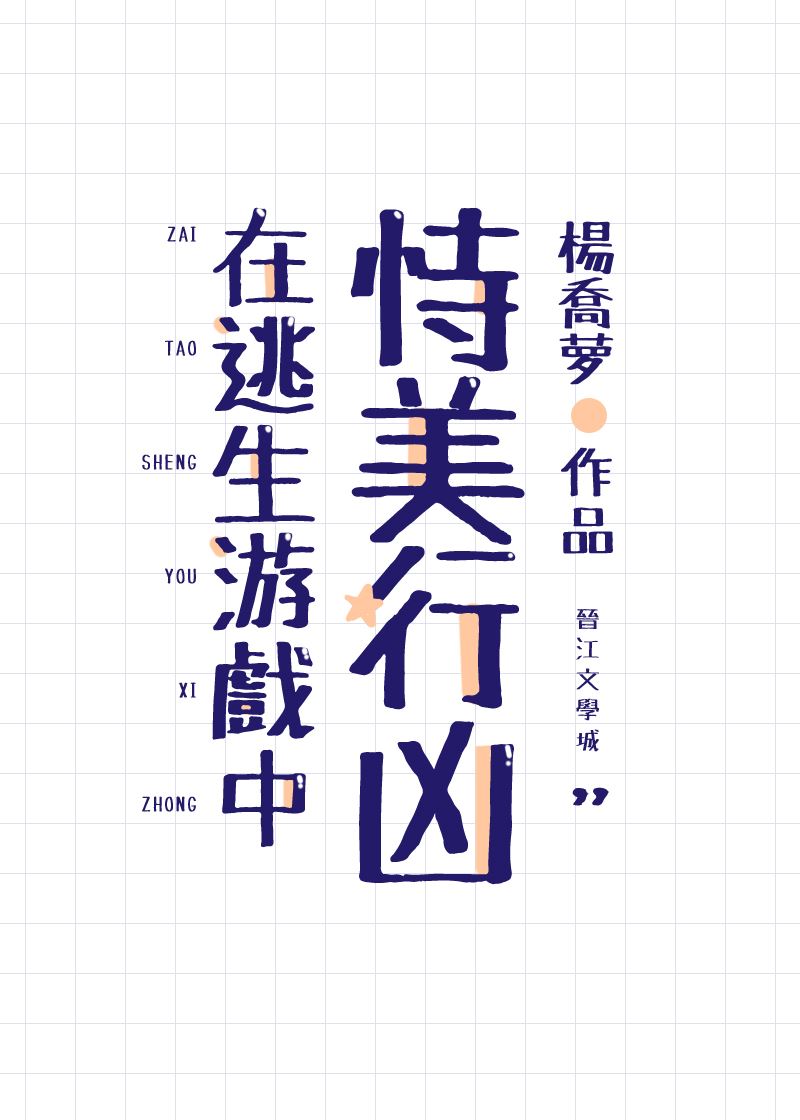
What makes these chapters so compelling is the layered conflict structure. On the surface, there is an external threat: a necromancer, undead creatures, a mansion under siege. But the real conflict is internal, and it belongs entirely to Li Xi. He has no memory. He cannot access his magical power. He feels a deep discordance with the world around him, as if reality itself is lying to him. Every question he asks is haunted by the possibility that the answers might not be what he expects. The stakes are enormous because they are personal. If Li Xi is truly the Dark Lord or the Demon King, then everything he knows about himself is a fabrication. That is a far more terrifying prospect than any undead army. Duan Zhen's conflict runs parallel and intersects with Li Xi's in the most interesting ways. He is investigating the study, searching for truth, but he is also navigating his own feelings. When Li Xi collapses against him, Duan Zhen's response is immediate and unconditional. Yet he is also a person with ulterior motives, a spy in the mansion. That internal contradiction creates constant low-grade tension in every scene they share. The stakes escalate when Li Xi reveals his weakness to Duan Zhen. He is trusting someone who may not be trustworthy, and he knows it. The line about considering himself blind if his judgment is wrong is both brave and devastating because it admits the possibility of failure. Meanwhile, Dan Zuo's data collector vibrating with unprecedented readings adds a scientific dimension to the stakes—it is not just Li Xi who senses something wrong, but technology that can measure it. The necromancer outside represents a concrete, immediate threat, but the real tension is about identity, trust, and the terrifying uncertainty of not knowing who you are.