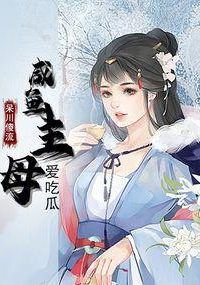
[Rebirth Through Time] “The Best Mother in the Era Novel”
Novel Info

Summary

... Read More

Su Taotao, a modern woman with a comfortable life and substantial inheritance, finds herself transmigrated into the body of a notorious supporting character in a 1970s-era novel. The original Su Taotao was a spoiled, lazy educated youth who tricked the most handsome man in her commune, Fu Zhengtu, into marriage. After wedding him, she lived as a parasite, wasting his resources, neglecting her infant son, Chenchen, and constantly causing trouble for her poor, hardworking mother-in-law, Zhou Linglan. The original character’s life ended in despair when she attempted to jump into a river to force her way back to the city, chasing a childhood sweetheart who had written her a vague letter. Su Taotao awakens in this dilapidated rural home, surrounded by the Fu family’s angry relatives who plot to physically restrain her if she attempts to leave. However, her situation is far more dire than she initially feared. The family is impoverished, having squandered Fu Zhengtu’s savings, and her son is severely malnourished and non-verbal, displaying signs of trauma and developmental delay.

Upon realizing the gravity of her circumstances, Su Taotao undergoes a dramatic transformation. She abandons her selfish ways and dedicates herself to caring for Chenchen, whose intelligence she discovers is exceptional, though his silence suggests deep emotional neglect. She also mends her relationship with Zhou Linglan and her younger brother-in-law, Fu Yuanhang, by sharing meals and taking on household responsibilities. Her first major test involves dealing with the village women who had been freeloading off the family’s newly installed toilet. Su Taotao asserts her authority by charging them an egg per visit, effectively ending their harassment and securing a small but vital source of nutrition for her son. This decisive action shocks the family, who had grown accustomed to her passive aggression and laziness, and begins to shift their perception of her from a dangerous parasite to a capable matriarch.

The core conflict revolves around survival and redemption in a resource-scarce environment. Su Taotao discovers a promissory note sewn into her husband’s jacket, a loan of two hundred yuan from her estranged father, Su Donghan, with a contact in the nearby county town. She learns that the borrower, Teacher Cao, has been sent to the countryside for reeducation and is living in squalor. Despite his dire situation, Cao honors the debt and provides her with an address to recover the money. This financial lifeline allows Su Taotao to stabilize the family’s diet, introducing nutritious meals like taro rice and scrambled eggs with tomatoes that win over even the skeptical Fu Yuanhang. Chenchen, touched by her genuine affection and care, begins to speak, breaking his long silence and revealing his high cognitive abilities.

As Su Taotao settles into her new role, she faces the looming return of her husband, Fu Zhengtu, who is still on a secret mission. The original plot dictated that she would abandon her child and reunite with her childhood sweetheart, leading to a tragic downfall for all parties involved. However, Su Taotao’s presence has altered the trajectory of events. She is now deeply bonded with Chenchen and has earned the tentative respect of her in-laws. The story moves forward with Su Taotao navigating the rigid social structures of the 1970s countryside, managing the household economy, and preparing for the inevitable confrontation with Fu Zhengtu’s return. She must balance her modern sensibilities with the harsh realities of the era, all while protecting her son from the stigma of his mother’s past reputation and ensuring the family’s survival until her husband comes home.

Latest Release
DateGroupRelease
2026-08-11shanghai fantasy c55
2026-08-11shanghai fantasy c54
2026-08-11shanghai fantasy c53
2026-08-11shanghai fantasy c52
2026-08-11shanghai fantasy c51
2026-08-11shanghai fantasy c50
2026-08-11shanghai fantasy c49
2026-08-11shanghai fantasy c48
2026-08-11shanghai fantasy c47
2026-08-11shanghai fantasy c46
2026-08-11shanghai fantasy c45
2026-08-11shanghai fantasy c44

Community Reviews

Rating(3.9 / 5.0, 41votes)
5 stars
16(39%)
4 stars
10(24%)
3 stars
9(22%)
2 stars
6(15%)
1 stars
0(0%)

Popular reviews

... Read More
The narrative voice in this section is doing some serious work and I love it. Su Taotao's internal monologue feels like a real person thinking, not a character delivering exposition. When she thinks 'No matter the era, those who owed money were always in the wrong' — that's such a sharp, wry observation that tells you everything about her personality. She's pragmatic, she's seen the world, and she's not naive about how things work. The dialogue between the family members is natural and layered with subtext. Fu Yuanhang's 'Sorry' after realizing he misunderstood — it's short, awkward, but genuine. He's eleven years old and already carrying the weight of protecting his family, and he owns up to his mistake quickly. Zhou Linglan asking 'doesn't he look like...' and then realizing it's Teacher Cao — that moment of recognition happening through the child's gesture is beautifully done. But what really stands out is how Su Taotao's voice shifts between internal and external. Internally she's sharp and analytical — calculating how much rice they have, planning how to get money, assessing Teacher Cao's demeanor. But with her family, she softens. 'Mom, how could you forget again? You should just think of the old Su Taotao as dead. The new Su Taotao is this temper.' That line is perfect. It's direct, it's slightly humorous, and it establishes her authority without being cruel. The author also doesn't over-explain. When Su Taotao meets Teacher Cao, she 'secretly observes him and can't help but admire him. Despite his current situation, he still carried the spirit of a soldier.' That's narrative economy at its finest — one sentence tells us everything about who this man is.
... Read More
Let me just sit with the number for a second — thirteen yuan and eighty-five cents. That's all Su Taotao has. In an era where eggs are valuable currency and a few pieces of White Rabbit milk candy equal a glass of milk in calcium, that amount is devastatingly small. The stakes are established immediately and they don't let up. Every conflict in this section is grounded in survival. The family is poor — really, genuinely poor. Not 'we need to budget' poor, but 'we might not have enough food for half a year' poor. Zhou Linglan and Fu Yuanhang eating sweet potatoes while giving white rice and egg custard to Su Taotao and Chenchen. The fact that they've been doing this quietly, without complaint, makes it even more painful. And then there's the external conflict — the political situation. Teacher Cao was a military school teacher who got sent to the countryside during the Great Movement. His family was ransacked. He arrived in tattered clothes with everything searched. This is background context that makes every interaction charged with danger. Su Taotao can't just walk up to him and ask for money — she has to be careful, leave through the back door, rub ash on her face, maintain a three-meter distance when they meet. The tension is maintained brilliantly because the author keeps raising the bar. She needs money urgently. Chenchen's nutrition is falling behind. Fu Zhentuo won't be back for six months. The one person who can help is living in a cow shed with nothing to give. And yet — and this is what makes it work — there's also hope. Chenchen speaks. The family starts to bond. Su Taotao has ideas and determination. The stakes are life and death, but so is the possibility of survival.
... Read More
Okay so let me just say this whole section where Su Taotao mentions going to the county and the family immediately assumes she wants to SELL Chenchen is absolutely brutal in the best way. The author drops this bomb and you can feel the tension spike so hard. Fu Yuanhang literally drops his aluminum dish — that little sound detail, the 'clink,' is doing SO much work there. He storms over, grabs the kid, and shouts about not selling him. And Zhou Linglan's face turns pale. These people have been through enough trauma to immediately jump to the worst possible conclusion, and honestly? It makes total sense given the era and their circumstances. But then Su Taotao pulls out the promissory note and the photo and it's this beautiful moment of miscommunication being cleared up. She's not selling the kid — she's using the kid as leverage to collect a debt. That's actually such a clever plot move on her part. Take the boy along so the debtor can't dodge payment. It's ruthless and practical and very much in character for someone from the 21st century who's had to figure things out. Then the twist within the twist — Teacher Cao is living in their cow shed. The person who owes them money is right there, two years ago, and they had no idea. That's some serious dramatic irony. And the fact that she can't get the money right now because of his situation adds this layer of frustration that's going to keep driving the plot forward. She needs money urgently for Chenchen's nutrition, and the one person who can help is in a position where he can't help. Classic setup for the next conflict.
... Read More
I need to talk about how well-paced this chapter is because honestly it's a masterclass in narrative rhythm. It opens with this lighter, almost comedic moment — Black Charcoal wailing about his candy, Su Taotao ignoring it to head to the sheep pen. Quick setup, quick transition. Then we hit the confrontation at the exchange line, and the tension builds SO naturally. First it's just awkward silence, then Wang Xiaohong's sneering comments, then the escalation when she accuses the young comrade of favoritism. Each beat pushes it further until Su Taotao snaps and WHACK — jaw dislocated. And then the chapter DOESN'T just end on that high. It pivots HARD into domestic warmth — the goat milk tea, the cooking, the family lunch. That contrast is everything. If it had stayed at the fighting intensity the whole time, it would've been exhausting. But dropping us into this cozy scene of Su Taotao making milk tea and Fu Yuanhang coming home from school? Perfect palate cleanser. The Fu Yuanhang subplot is also smart pacing — we get these quiet moments where he's protecting the family's food secrets from his classmate, whispering to Chenchen about missing his dad. It's lower stakes but it deepens the emotional texture without slowing things down. And that ending with Chenchen nodding like a chick pecking rice saying the milk tea is "so good" — it's such a perfect button on the whole chapter. From confrontation to comfort, from tension to warmth, and it all feels earned. The author knows exactly when to push and when to pull back. No dragging, no rushing, just smooth narrative flow that keeps you turning pages.
... Read More
I need to talk about Zhou Linglan and Su Taotao because THIS is the relationship of the chapter and honestly it made me emotional. Think about it—Zhou Linglan comes home from the field, sees this incredible meal, and her first instinct isn't to scold or criticize. She's genuinely impressed. When Su Taotao says "Mom, don't you think I'm just too beautiful?" and Zhou Linglan actually plays along and calls her the prettiest girl she's ever seen? That's not a mother-in-law being polite. That's someone who's already chosen to love this woman. And Su Taotao hugging her out of nowhere? In her previous life she barely had a connection with her own parents, and here she is spontaneously hugging her mother-in-law. The fact that Zhou Linglan almost cries at this—"Those simple words almost brought tears to her eyes"—shows how starved both of them were for genuine affection. This isn't just a family coming together; it's two women who've been hurt by life finding each other. Then there's Chenchen. The kid who barely spoke that morning is now eating eagerly, letting Su Taotao carry him, accepting her affection. Fu Yuanhang too—blushing when she gives him the crispy rice, calling her "sister-in-law" with actual gratitude. Every relationship in this house is shifting, and it's happening through food and small gestures, not big dramatic declarations. Which makes it feel so much more real.
... Read More
Can we talk about how GOOD the dialogue is here? Like, every character has a distinct voice and I can tell who's speaking even without the tags. Wang Xiaohong's lines are immediately recognizably petty — "Does Comrade Su think one egg is enough to exchange for such a large bowl of goat milk?" The way she stresses the size of the bowl, the sneering tone, the fake shock when she pretends to be too scared to finish her accusation about the young man. Her dialogue is dripping with that specific kind of rural gossip venom that's both disgusting and hilarious. And Su Taotao's voice? Completely different. Calm, measured, cutting when she needs to be. Her line "You don't have anyone to do your dirty work for you anymore. Are you anxious?" to Xia Xiying — that's a verbal knife. Short, precise, and it lands because we know the history between them. The young comrade's dialogue is perfect too — the stammering, the defensiveness, the way he goes from flustered to furious. "Get lost, and don't come back! Even if you do, I won't exchange anything for someone as dirty-minded as you!" This guy has a whole arc in like three lines. Even the family dialogue at lunch feels natural. Fu Yuanhang whispering to Chenchen about missing his dad, Zhou Linglan's genuine praise of Su Taotao's cooking, the casual exchange about the county town trip — it all sounds like real people talking, not characters delivering exposition. The author's narrative voice is also great — dry humor, occasional sardonic asides ("Even someone as tough as Su Taotao felt a bit embarrassed"), and that perfect balance of warmth and sharpness. I keep re-reading passages just for the dialogue.
See all reviews

Characters

See all characters

Custom lists

See all custom Lists