Summary

... Read More

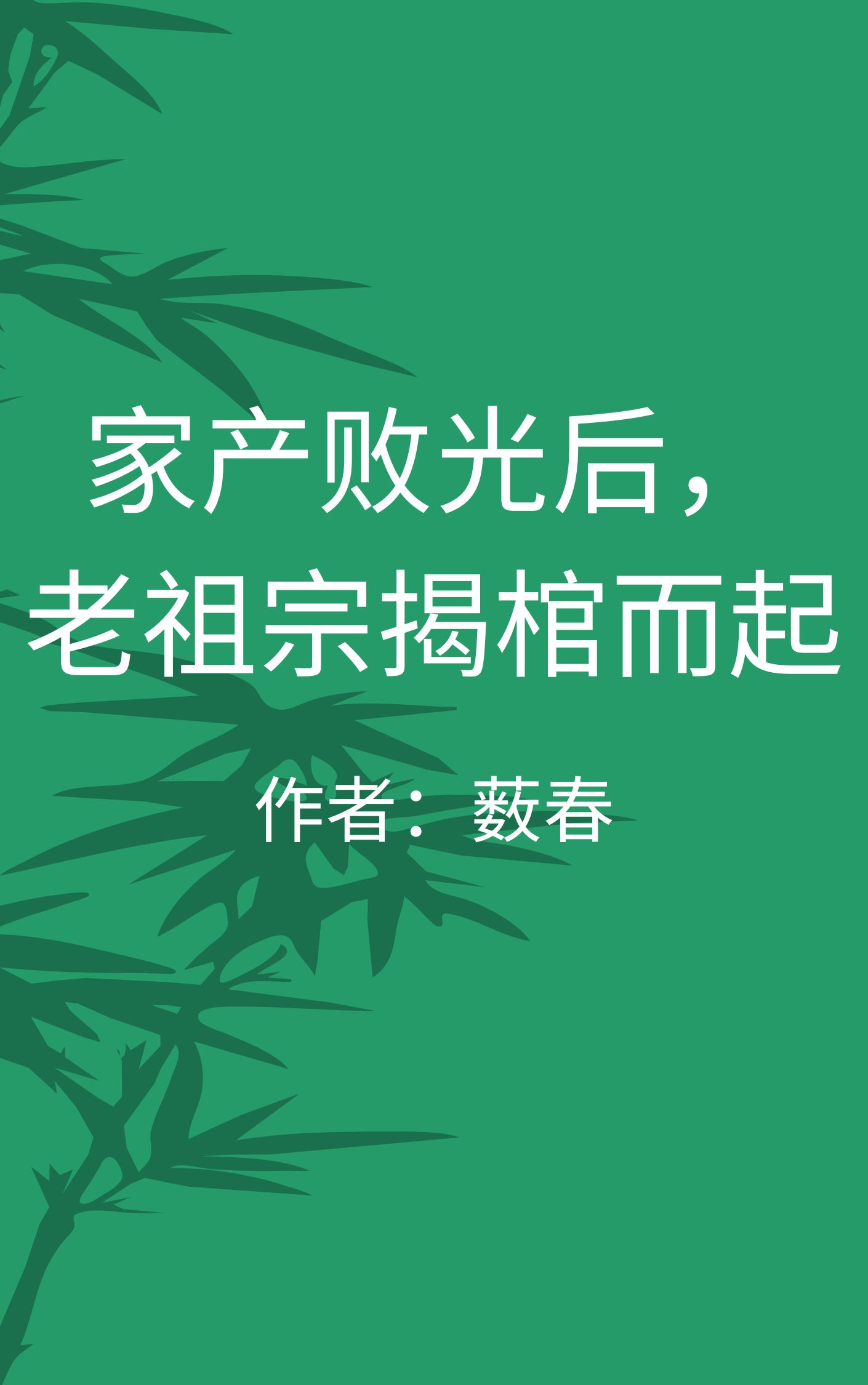
Hongyu, a twenty-nine-year-old woman exhausted by the hardships of human life, dies in a car accident and is reborn as a tree in an upscale residential community. She spends months in a peaceful, instinct-driven existence until a violent thunderstorm uproots her. She then reincarnates again, this time as a white puppy born to a starving stray mother. Suffering from the lingering trauma of her past lives, Hongyu initially refuses to eat, weakening herself to the point of near-death. Her mother, desperate for survival, abandons her near a garbage dump. An elderly woman named Grandma Li, who collects scrap for a living, finds the puppy and takes her in. Hongyu recovers under Grandma Li’s care, discovering a profound sense of safety and purpose in her new life. She is named Hongyu, after the red spot on her back, and begins to adapt to her existence as a domestic dog.

Grandma Li lives in a modest two-story house in Li Family Village with her neighbor, Old Man Li. Hongyu quickly integrates into the community, forming bonds with the local dogs, particularly a large black dog named Big Black and a playful yellow dog named Yellow Hair. She also encounters Su Yuwan, a six-year-old boy who is the heir to a wealthy family but is neglected by his busy parents. Su Yuwan visits Grandma Li regularly, and Hongyu becomes his loyal companion, comforting him during his emotional distress. Hongyu discovers she possesses a remarkable healing ability; after being bitten by a pit bull during a village dog fight, she heals completely within hours. She uses this ability to train herself rigorously, enhancing her strength, speed, and combat skills to protect her home and friends.

The story takes a dark turn when a pack of stray dogs, led by a fierce pit bull, begins terrorizing the village. Hongyu leads the village dogs in a defensive battle against the strays, sustaining serious injuries in the process. During the chaos, she discovers a golden retriever with a missing poster offering a fifty-thousand-yuan reward, realizing the dog is not a stray but a lost pet. She shelters the golden retriever, and the two form a close bond. However, the peace is short-lived. Dog thieves, operating a professional trafficking ring, target the village. They capture Yellow Hair and the golden retriever, and during the abduction, Hongyu is struck by their van and kidnapped as well.

Hongyu wakes up in a horrific dog slaughterhouse located in a remote mountain area. She finds herself in a cage alongside dozens of other stolen dogs, including the pit bull from the village fight, who is already dying from untreated wounds. The conditions are brutal, with dogs being slaughtered for meat. Hongyu observes the layout of the facility and the routines of the workers, planning her escape. The situation escalates when the workers attempt to kill the pit bull, which fights back desperately, causing chaos in the kennel. Seizing the opportunity, Hongyu unlocks her cage and frees the other dogs. She leads the escaped pack out of the slaughterhouse and over a wall, with nearly a hundred dogs following her into the mountains. As they regroup, Hongyu faces the challenge of finding a safe haven for the massive pack while evading the pursuing dog dealers and the authorities.

Meanwhile, back in the village, Grandma Li suffers a leg fracture after falling into a ditch while searching for her missing dogs. Su Yuwan, devastated by the loss, uses his family’s resources to mobilize a massive search effort. The police and private forces track the dog thieves, but the remote location of the slaughterhouse makes rescue difficult. Hongyu, now leading a pack of rescued dogs in the wilderness, must balance her desire to return to Grandma Li with the responsibility of protecting the animals she saved. The narrative explores themes of loyalty, survival, and the bond between humans and animals, as Hongyu navigates her new identity as a leader of a stray pack while holding onto the love and stability provided by her elderly owner.

Latest Release
DateGroupRelease
2026-08-11shanghai fantasy c18
2026-08-11shanghai fantasy c17
2026-08-11shanghai fantasy c16
2026-08-11shanghai fantasy c15
2026-08-11shanghai fantasy c14
2026-08-11shanghai fantasy c13
2026-08-11shanghai fantasy c12
2026-08-11shanghai fantasy c11
2026-08-11shanghai fantasy c10
2026-08-11shanghai fantasy c9
2026-08-11shanghai fantasy c8
2026-08-11shanghai fantasy c7

Community Reviews

Rating(4 / 5.0, 5votes)
5 stars
2(40%)
4 stars
1(20%)
3 stars
2(40%)
2 stars
0(0%)
1 stars
0(0%)

Popular reviews

... Read More
The pacing in this section is a masterclass in building and releasing tension, and I want to break down why it works so well. It starts almost idyllically — Hongyu sneaking into the village, the rapeseed field, the little girl with her tablet. You're breathing easy. Then the boar appears and the whole rhythm shifts. The hunt is written in these rapid, staccato bursts: "Attack!" "Chase!" "Bite!" Short sentences. Fast cuts. You can feel the adrenaline. And then the long, grinding stalemate — the boar won't die, the dogs are getting wounded, Hongyu is running out of time. That's where the tension really builds, because the author makes you wait. Makes you feel every second of that exhaustion. "Time passed." Two words and suddenly the boar is dead and the mood shifts again to something almost peaceful — dogs lying in the grass, full and bloody, the summer heat settling in. Then — splash! Hongyu bursts out of the stream and suddenly it's playful again. For maybe three paragraphs you're allowed to relax. And then Miao Ying appears. The transition from the peaceful stream scene to the hunters tracking them is brutal and it works perfectly. One moment it's dogs playing in water, the next it's "Slash! A knife cut through a dog's neck." No warning. Just violence. And then the chilling count: "Forty-nine." The pacing here is almost clinical, which makes it worse. The final act — the railway, the scattering, the slow walk toward the city — this is where the pacing slows down to a crawl, and it's devastating. Each dog that leaves feels like a small death. By the time only three remain, the silence is deafening. And then Hongyu just... walks. No dramatic pause, no final speech. Just movement forward into an uncertain future. The chapter structure also does interesting work. Each chapter ends on a note that propels you forward — the boar falling, the hunters closing in, the last dog leaving. There's no filler, no dragging. Every scene has a purpose. That's why I couldn't put it down.
... Read More
I've been thinking about this section for hours and the themes just keep coming. The blood. There's blood everywhere in these chapters — on Hongyu's face, on the dogs' fur, on the dirt. After the boar hunt, "Every dog's face was covered in blood as they lay on the grass, satisfied, licking each other's faces." It's violent but also strangely intimate, like a ritual. The blood binds them. But then there's the other blood — the dogs being hunted and killed by humans, forty-nine of them, their bodies loaded onto a truck. Same color, completely different meaning. And the loneliness theme — it's so persistent. Hongyu's philosophy that "everyone walks alone" feels like armor she's built over time. But the pack was her contradiction to that belief, wasn't it? Fifty-some dogs choosing to follow her, choosing to hunt together, choosing to stay. And now it's just three. The pack was the symbol of connection, and watching it disintegrate — dogs scattering along the railway, one by one — that's the death of that hope. The railway itself is interesting. It's a line that goes somewhere, a path that was supposed to lead them home or to safety, but it just leads to more exhaustion and more loss. And the city lights at the end — that's where food is, that's where survival is possible, but it's also where they'll be alone, where they'll have to fend for themselves without the pack. There's also this recurring question about what it means to be human. Hongyu's transformation — eating raw meat and thinking it's delicious, enjoying the adrenaline of the hunt, realizing she doesn't need to follow human rules — is she becoming less human or more honest? The story seems to suggest that the "civilized" world (the slaughterhouse boss, the dog thieves) is actually the barbaric one, while the dogs are operating with a kind of natural morality that's cleaner and truer.
... Read More
Okay so the wild boar hunt scene? That was absolutely cinematic. I'm talking full-blown nature documentary vibes. The way the author describes the forest — "trees covered the sky, their lush green leaves shielding the dogs from the burning summer sun" — and then this peaceful moment with wildflowers and a trickling stream, and you're like "aww this is idyllic" right before the boar appears and everything goes to hell. The contrast hit me so hard. And the village scene! Hongyu sneaking through the rapeseed field — "Rustle, rustle, rustle — the tall rapeseed plants swayed as she passed." I could literally hear that sound. Then she spots this little girl on the steps with a tablet, and it's such a quiet, almost tender moment before the whole world shifts again. The author really knows how to paint these snapshots. The slaughterhouse aftermath too — that dark alley with "puddles of dirty water soaked their paws" and the smell of chicken wings drifting through. It's grim but also strangely beautiful in its realism. This world feels lived-in, you know? Not some generic fantasy backdrop but a real place with real dirt and real smells. The railway stretching into the distance with endless farmlands on both sides — that image of thirty-some dogs walking along tracks toward city lights, slowly scattering one by one — I still think about that. That was devastating.
... Read More
Let me just say this first: the tension in this section is absolutely relentless and I was genuinely on edge the entire time. The wild boar hunt has you worried about the dogs the whole way through. Hongyu gets impaled on that tusk — twice! — and you're sitting there like "no no no please don't" and then she just keeps going because there's no other choice. The stakes are literally life and death and the author never lets you forget it. "A sharp pain shot through her stomach. Her teeth hadn't gone deep enough — the skin was too thick." She has to go back in. Again. And when her leg gets pierced and she finally bites through the artery — "Blood spurted out instantly, making a sputtering sound like a broken faucet" — I actually gasped out loud. But then — and this is what got me — just when you think the worst is over, BOOM. The dog slaughterhouse boss calls the thieves. Thirty thousand yuan deposit. "We must finish within three days." Three days! And you know these dogs are already exhausted, already down to twenty-eight, already limping along a railway with nothing to eat. The scene where Miao Ying and Wang Daniu are tracking them with a drone and cameras — it's so cold and clinical. "Forty-nine." "Forty-nine in total!" The casual way they count dead dogs like it's nothing. Meanwhile Hongyu has no idea, she's just trying to find food for her pack, and the reader is screaming at the page because we KNOW what's coming. And the final image — Hongyu walking forward without looking back, Golden Fur and Yellow Fur following, while the rest scatter into the city — that's the real heartbreak. The pack is gone. It's just three of them now. What happens next? I need to know.
... Read More
I need to talk about Hongyu's internal voice because honestly it's one of the most distinctive narrations I've read in a dog protagonist story. There's this one line that just wrecked me: "She never grew attached to anyone who came into her life. She had always known — everyone walks alone, and loneliness is something that stays with you for life." That's not something a dog would think. That's something a person who's been through hell would think, and that's exactly the point, isn't it? The narrative voice sits right in that uncanny valley between animal instinct and human consciousness, and it works so well. Hongyu thinks like someone who used to be human — or at least, someone who understands human concepts like loneliness and survival and the arbitrary nature of rules. "Just then, Hongyu suddenly realized — as a dog, she had no human rights. So why should she follow human morals or laws? If a dog sneaked into a kitchen and took some food, how could that be considered stealing?" This is the kind of line that makes you stop and go "wait, that's actually brilliant." It's funny but also deeply philosophical, and it comes from such a raw, survival-driven place. The author isn't being pretentious about it — Hongyu just arrives at this conclusion because she's hungry and tired and done pretending. The dialogue from the human characters is sparse but effective. Boss Huang's cold transaction — "Once I see the videos of those stupid dogs dead, I'll send you the remaining 70,000" — that's chilling in its banality. And the little girl tossing braised pork to the dogs, saying "Good dog, eat" — that small moment of kindness cuts both ways because you know the world is about to get worse. The narration itself has this dry, almost wry humor woven through it. When Hongyu watches the fat woman run into the mahjong parlor and the narrative just goes "For someone so fat, she sure could run fast" — I laughed out loud. It's unexpected and it grounds the whole thing.
See all reviews

Characters

See all characters

Custom lists

See all custom Lists