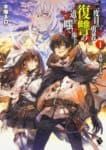
The setting in this chapter is doing incredible work without ever stopping to explain itself. Let me break down why.
The dungeon itself is described almost casually—roughly the size of two Earth classrooms, a spring in the corner, a corridor leading somewhere, stairs going up. But the implications are massive. This place has been here for 200 years and no one has cleared it. The Beast Country occupies dungeons regardless of border implications. The Kingdom of Aurelia and the Beast Country are in active hostility. The Empire sits in between trying and failing to mediate. All of this is dropped into what reads like a normal dungeon exploration scene.
Then there's the kimono. The protagonist is wearing traditional Japanese clothing in a fantasy world that clearly doesn't have it—until the redhead mentions beastmen in the Beast Country making identical garments. This is world-building through clothing, which is one of the most organic ways to do it. The enchantments on the kimono (autosizing, autodressing, heating) suggest a magical technology that's sophisticated but unfamiliar. It's not just aesthetic; it's functional, adaptive, alive.
The cooking scene is where the environmental details really shine. The portable kettle from the Capital, fuel rocks, a spirit sword used as a knife (which disappears afterward—magic tool, not mundane), the ricol fruit wine from the first harvest. These aren't just props; they're fragments of a culture that has merged dwarven techniques with whatever the protagonist learned. The Grateful Boar itself—described as 'lowest class, blandest, most sinewy meat' by the redhead, transformed into something amazing by the right preparation—feels like a creature that belongs to this world. It has a name, a reputation, a culinary role.
The spatial awareness is also notable. The protagonist's mental map of the room—facing the water fountain, corridor to the right, stairs behind—is precise and practical. He's assessing exits while also planning to explore. The redhead claims the room is a 'safe zone' and simply lies down. The contrast between his hyper-awareness and her casual confidence tells you everything about their relationship to danger.
And then there's the political geography that unfolds through the protagonist's thoughts: Kingdom of Aurelia (human), Beast Country of Gilmus (beastmen, dungeon-loving), the intervening Empire, the Anti-Royalists, Princess Alesia trying to navigate all of it while forming a party with a Knight Captain and 'the Hero.' All of this exists in his head while he's sitting in a dungeon making soup. That's the mark of a world that's already fully formed—the politics aren't something the story is building toward, they're the ground the characters are standing on.