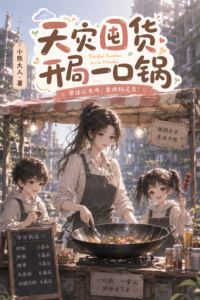
Let's be real—the plot in these chapters is doing some serious double duty. On the surface, it looks like a family reconciliation story. Mo Fei brings her kids to meet her parents, everyone gets along, sweet dinner scene, parents give her money, she flies to another city. Very wholesome. Very misleading.
Because underneath all that warmth, Mo Fei is clearly preparing for something massive. The parcels. The camping tents, shovels, power drills, folding beds, water filters, inflatable boats, months' worth of toilet paper and canned food. She's not going on a trip—she's stockpiling for an apocalypse or some kind of disaster scenario, and the text drops these details so casually like they're totally normal.
The most interesting plot mechanic here is her "space." She transfers everything into this dimension-like storage and the packaging waste auto-sorts itself. That's a supernatural element introduced almost in passing, which tells me the author is building a world where this is just... part of the rules. No exposition dump, no "and this is how her space works" paragraph. Just: she does it, it works, move on.
The Hei City trip ties into the larger plot thread about grain and agriculture. Black soil, the most fertile in the world, grain processing factories, farms—this is clearly setting up a survival storyline where food production will be critical. And Luo Chao's family owning grain factories and farms? That's not random worldbuilding. That's a plot hook being planted.
What I love is how the author balances the intimate family scenes with this looming larger plot. The dinner scene feels warm and complete, but you keep reading and realize it's just one layer. Mo Fei isn't just reconciling with her family—she's using that reconciliation as cover to prepare for whatever's coming.