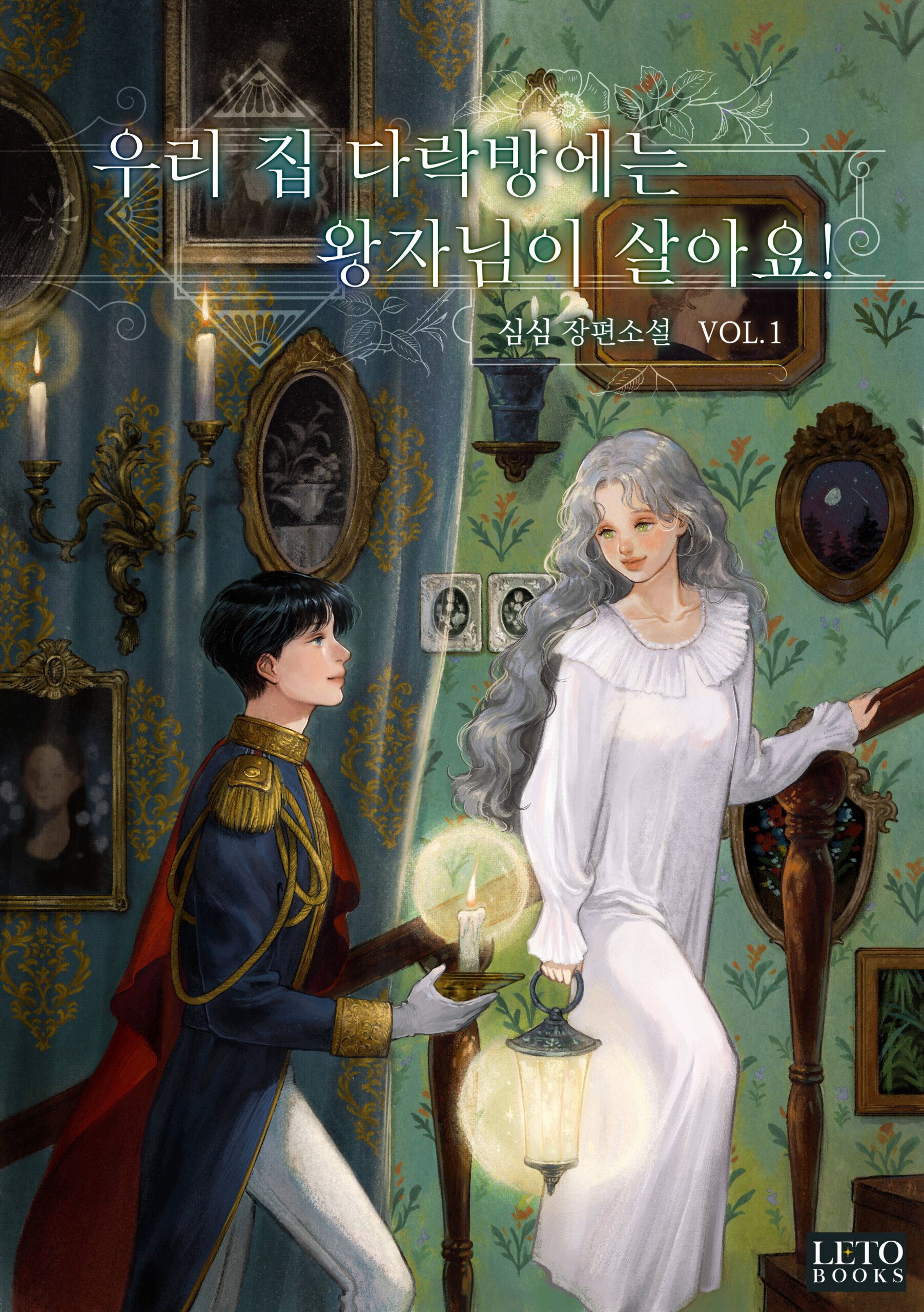
At the coming-of-age ceremony, Areha’s mother forces him to escort Juliana, claiming it will protect his reputation. In the carriage, Areha casually suggests Juliana return home to manage her family estate rather than pursue magical work, unintentionally shattering her hopes. Devastated, Juliana declares she hates him and leaves. A month later, she dies in an accident while attempting offensive magic at a knight order, following advice Areha carelessly offered. Grief-stricken, Areha joins an eastern subjugation campaign and is killed by a gargoyle.
He wakes up back at the moment Juliana tells him she hates him, realizing time has regressed to before her death. Areha discovers he can repeatedly return to this point whenever Juliana dies, each cycle resetting to that pivotal evening. Through multiple regressions, he witnesses Juliana die in numerous ways: accidents, poisoning, abusive husbands, and murder by strangers. Each death drives him to intervene more aggressively, systematically eliminating every danger around her.
Areha manipulates Juliana’s life with growing desperation, controlling her workplace, friendships, and marriage prospects. He prevents her from joining dangerous professions, intercepts harmful suitors, and isolates her to keep her alive. However, his interventions create new variables: a blind date arranged by Juliana’s colleague Sophie turns out to be a serial killer, whom Areha arrests after preventing the crime. Another scheme by a resentful coworker to poison Juliana is foiled through Areha’s vigilance.
Juliana grows increasingly confused and distressed by Areha’s overprotective behavior, perceiving him as controlling and suffocating. She attempts to assert independence by pursuing marriage with men Areha deems unacceptable, only to discover each suitor is dangerous or criminal. Areha’s repeated interventions inadvertently expose the dark undercurrents of capital society, including hidden serial killers and manipulative individuals targeting vulnerable women.
The core conflict centers on Areha’s obsession with preserving Juliana’s life versus her desire for autonomy. While Areha views his actions as necessary survival measures, Juliana interprets them as imprisonment. Their relationship deteriorates into mutual resentment, with Juliana feeling trapped and Areha growing frustrated by her inability to recognize the threats he prevents.
Key turning points include Areha discovering Juliana’s hidden feelings through her past-life confessions, forcing him to confront his own emotional attachment. He realizes that despite his emotional numbness, her deaths cause him profound suffering, binding him to continue the regression cycle. The narrative direction explores whether Areha can break the cycle without losing Juliana to fate, or whether his interference only accelerates her demise through different mechanisms.
Stories accumulate evidence that Juliana’s bad luck is not random but connected to external forces exploiting her kindness and trust. Areha systematically dismantles these threats while simultaneously destroying his chance at a normal relationship with her. The tale concludes with Areha trapped in an endless loop of prevention and loss, unable to accept that keeping Juliana alive requires sacrificing her freedom, happiness, and ultimately, their possibility of genuine connection.
| Date | Group | Release |
|---|---|---|
| 2026-10-03 | dusk blossoms | c28 |
| 2026-10-03 | dusk blossoms | c27 |
| 2026-10-03 | dusk blossoms | c26 |
| 2026-10-03 | dusk blossoms | c25 |
| 2026-10-03 | dusk blossoms | c24 |
| 2026-10-03 | dusk blossoms | c23 |
| 2026-10-03 | dusk blossoms | c22 |
| 2026-10-03 | dusk blossoms | c21 |
| 2026-10-03 | dusk blossoms | c20 |
| 2026-10-03 | dusk blossoms | c19 |
| 2026-10-03 | dusk blossoms | c18 |
| 2026-10-03 | dusk blossoms | c17 |