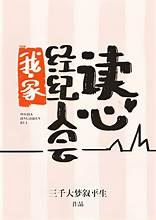
The stakes in these chapters are operating on literally two different levels at once and I have never seen it done this cleanly. On one level, you have the fictional world: Zhan Yuan has just buried himself along with the entire inspection squad, taking the vital secrets of a political faction he was both enemy and ally to forever entombed in the explosion. This is the culmination of everything — twelve years of danger, sacrifice, waiting for the right moment to end it. He walks out calmly, looks back one last time, and dies knowing his mission is complete.
But on the OTHER level, the real-world level, Lin Zhu is standing on a film set with explosives detonating around him and smoke machines billowing everywhere, and his ability is forcibly pulled into Zhong Yao's mind. Every time he reads thoughts, it's described as trespass — good and evil tangled together crashing in, never pleasant. But this time it's different because Zhong Yao's thoughts are gentle. Inescapable. And the conflict isn't just internal, it's physical. Lin Zhu's chest gives a sharp jolt, color drains from his face, his body trembles from head to toe. He squeezes his eyes shut instinctively.
Then comes the harder conflict: he has to keep acting. The assistant director approaches him gently, almost apologetically, telling him they need to shoot the next scenes back-to-back. Lin Zhu could collapse right there. He could refuse. But he doesn't. He blinks himself back to awareness, accepts the prop letter, and says I can do it. Because all he can think about is seeing Zhong Yao, holding onto him, telling him he isn't sad anymore.
The tension between these two layers — the fictional death happening in front of him and the real emotional devastation he's experiencing simultaneously — creates this unbearable pressure that the narrative never releases. It just builds and builds until Lin Zhu steps toward the ruins and whispers Zhan Yuan's name with an unfinished smile on his face.