My Agent Can Read Minds - Reviews

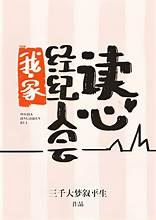
My Agent Can Read Minds
+Add to Custom List
Sort
Add review
... Read More
Here's the thing about this chapter: on paper, nothing is happening. No dramatic confrontations, no betrayals, no cliffhangers. And yet I found myself completely invested in whether they'd figure out their vacation schedule. That's some next-level writing right there. The external stakes are low-key but real. Lin Zhu is drowning in work—heavy filming schedules, midnight media coordination, managing everything himself because his company won't follow through. The show's success depends partly on their partnership, and there's this quiet pressure hanging over both of them. But the real stakes are internal. Zhong Yao spent years alone after returning to the country, planning to teach, take jobs when they came, accept solitude as his default state. Then Lin Zhu opened his car door and begged him to save his life. That's the inciting incident that rewrote everything. The tension here isn't about whether they'll get together—they already have. It's about whether they'll survive the machinery that consumes people like them. Can they keep each other afloat while the industry grinds? Can they actually take that vacation, or will something always pull Lin Zhu back to the office at midnight? The author isn't pulling punches—she shows us Lin Zhu slipping into bed late, Zhong Yao waiting up, the cycle repeating. And that last image—Lin Zhu climbing out of bed at 9:30 AM sharp, energized, heading to set, while Zhong Yao has already prepared his entire environment to be perfect—this is the emotional core. The stakes aren't life or death. They're something harder: the possibility of staying happy in a world designed to destroy it. And honestly? That terrifies me more than any betrayal plot ever could...
... Read More
Okay, can we talk about how the author treats the behind-the-scenes entertainment industry world? Because it's gorgeous. Not in some generic K-drama way, but with specific, lived-in details that make everything feel real. The Sichuan Film staff description alone—"known for digging holes but never filling them"—that one line tells us an entire philosophy about this industry's promotional culture. It's such a specific cultural observation that you can't make it up. And then Lin Zhu carrying that burden himself, managing endorsements and traffic control and promo photos, staying up until midnight while Zhong Yao waits up for him. You feel the weight of that world. But the real masterpiece here is the forum scene. Just a few paragraphs, but the author builds an entire subculture: the gold-member alt account, the reputation system based on posting and coded phrases, the "Top Driver" badge, the way experienced users swarm a thread. And then the contrast of Zhong Yao—the serious actor, the one people respect on set—posting under an anonymous account asking for travel itinerary advice, completely oblivious to the chaos he's unleashed. The planning manager fainting twice in one chapter. Twice. I lost it. The styling scene itself is another world-building gem. Half an hour just for the wig cap. The cedar-scented humidifier. The coarse salt bags. These details don't just decorate—they tell you about the characters. Zhong Yao preparing the room with heating and humidifiers and cedar scent before Lin Zhu even arrives shows a level of attentiveness that's almost overwhelming in its specificity.
... Read More
Okay so let me just say—this bedroom scene is one of the most vividly rendered spaces I've encountered in recent chapters, and I need to talk about WHY it works so well. The setting is deceptively simple: Zhong Yao's apartment, a bed, a bookcase display that gets restored to its original state, an IV drip, a small cooking pot. But the author packs so much atmosphere into what seems like a handful of objects. The bookcase detail especially—"restored the bookcase display to its original state"—that single line tells you everything about how Lin Zhu occupies space in Zhong Yao's home. He's been there. He's been part of the arrangement. And when Zhong Yao fixes it back, it's almost like putting the pieces of their lives back in order after the fever disrupted them. There's also this incredible visual of the doctor's reaction—"the doctor: !!" and then later "the doctor: …"—which turns a medical professional into this silent witness to something deeply intimate. The fever itself becomes part of the scenery: sweat layer after layer, changed clothes, four or five new bedsheets. It's gross in the most poetic way. The author makes you FEEL the humidity of the room, the weight of the quilt, the quiet intimacy of a phone lighting up in the dark while someone sleeps. By the time the PR manager calls and we cut to the balcony scene, the temperature of the entire narrative shifts from warm to sharp, and that contrast makes both scenes hit harder. What a beautiful use of environment to mirror emotional states!
... Read More
This passage is stacked with conflict so I'm going to start with the stakes and work backward because that's how my brain processes this stuff. What are they fighting for? Zhong Yao's comeback after three years away. Lin Zhu's entire career trajectory built around that promise. The media circling like sharks waiting for the 'role being stolen' narrative to ignite again. Nearly a million viewers tuned in before a single question was asked. These aren't small stakes — this is career-defining, life-altering pressure wrapped in the packaging of a daily schedule. The external conflict is everywhere. Reporters不敢 (dare not) push Lin Zhu in the wrong direction — his reputation does the heavy lifting. Zheng Lingyang's agent chasing down cameras to delete footage. The PR team flooding every channel with previews. But the real conflict, the one that keeps me up at night, is the internal one. Lin Zhu hiding his illness. Lin Zhu smiling through discomfort. Lin Zhu pretending the goji berry tea is enough when what he actually needs is someone to ask if he's okay without him having to earn the question first. And Zhong Yao knows this. 'Even if he does tell me, I won't get angry, won't be impatient, won't turn cold toward him, and won't… stop wanting him because of it.' That ellipsis. That broken sentence. Zhong Yao almost said something worse there. Almost admitted the fear that lives under all this devotion — the fear that if Lin Zhu ever became too much, too broken, too honest, Zhong Yao might not be able to stay. But he won't say it. He swallows it. He offers hotpot instead. And that's the most heartbreaking conflict of all — not the external pressures, but the love that's so vast it can't find words for its own terror. The suspense is surgical. Every interview, every smile, every unscrewed thermos cup is a ticking clock.
... Read More
I literally screamed when I read this part. Let me set the scene properly because the visual alone wrecked me: Zhong Yao blocking Lin Zhu from the fill light because that shirt is basically hanging off him ready to fall open at the slightest tug. He fastens a button. Just one button. But the INTENTION behind it—protecting him, covering him, making sure he's comfortable—everything about that gesture is SO soft it hurts. And then Lin Zhu looks up at him with these amber eyes, completely trusting, completely oblivious to how elaborate the screenwriter's fantasy was, and Zhong Yao feels this 'trace of tender relief' well up in his chest. Tender. Relief. He was worried about something—probably that Lin Zhu would feel awkward or exposed—and seeing those pure, clear eyes just... melts whatever tension he had left. The man who has played every role imaginable, who has never lost his composure on set, is being completely disarmed by a man in torn clothes standing half in shadow. I also want to talk about the power dynamic here because it's so fascinating. This scene is supposed to help Lin Zhu untie a knot in his heart. Zhong Yao is carrying him literally and metaphorically. He has all the power—he could call cut anytime, he could redirect the scene however he wants. But he doesn't. He tells Lin Zhu 'I'll improvise, don't worry, I won't hold you back.' He gives him space to lead even though he's the one who knows exactly what's happening. That's not just professionalism. That's someone who genuinely wants Lin Zhu to feel safe enough to be vulnerable. The fact that the screenwriter sneezes on a plane halfway across the ocean because someone—probably Wei Geping—is cursing his name? Comedy gold. But the real emotional beat is this quiet moment between two people where one is desperately trying to be brave and the other is desperately trying not to overwhelm him. Neither says it out loud. They just... hold the space for each other.
... Read More
Can we just take a moment to appreciate how natural every single conversation sounds in this chapter? Not a single line feels written. Not one. Zhong Yao's dialogue is sparse but weighted. When he says "Try it" regarding the candy, it's three words that carry an enormous amount of subtext. He's not commanding. He's inviting. The pause before "Zheng Lingyang NG'd seven times, and the crew bought five kinds of candy… I tried them all. This one's sweeter" is perfect—that's someone who isn't used to saying tender things and is awkwardly bridging the gap between practical observation and emotional offering. The screenwriter's theory that he was worried about PR control over "Film Emperor Zhong stealing candy on set" is hilarious and completely grounded in the established dynamic. The screenwriter himself has such a distinct voice: "Wouldn't you be anxious too?!" and the self-justified shamelessness the assistant director names. This person is passionate, slightly chaotic, and completely invested in the emotional truth of the story. Their dialogue crackles. Lin Zhu's lines are appropriately minimal—"You… brought the prop back?" and "Nothing urgent now. Rest a bit longer, be good"—but each one reveals character. His voice is measured, controlled, even when he's vulnerable. The fact that he can barely manage feeble speech while lying in bed yet still worries about practical matters tells us everything about who he is. And Zhong Yao's pitch to the screenwriter? "If it won't affect the shooting schedule, I want to add a scene. Let the little young master get sick… just a mild cold. I'll stay with him all night." This is the most revealing dialogue in the entire chapter. On the surface it's a professional request. Underneath it's a confession of everything Zhong Yao wants to do but can't justify in reality. The screenwriter understands immediately. That's the beauty of their working relationship—they speak the same emotional language. The publicity manager's nervous corporate-speak contrasts perfectly with everyone else's directness. It reminds us that not everyone in this world operates on the same frequency.
... Read More
I need to talk about the structural genius of this chapter sequence because the author is playing 4D chess with pacing and I'm here for it. We open mid-crisis—Lin Zhu is already sick, already passed out, Zhong Yao has just rushed back from filming. No exposition dump, no "previously on." You're dropped into the emotional aftermath and you have to piece together what happened from details: the seal, the coat, the pale lips, the silent tears. This is trust in the reader. The author knows we're paying attention and rewards that attention. Then the pivot: Lin Zhu wakes up, things are calmer, and we get this almost domestic sequence—the candy, the hair ruffling, the soft dialogue. This is the breath before the storm. Any lesser writer would have kept the tension cranked at maximum and exhausted the reader. Instead, the author lets us settle into warmth, making the later return to business stakes hit harder. The screenwriter interruption is perfectly timed comedic relief that also advances the plot. It feels organic—Zhong Yao opens the door and immediately runs into them—but it also serves a structural purpose: it externalizes what we already knew internally. Zhong Yao wants to write care into the narrative because he can't always do it in reality. The conversation about the sick scene mirrors the earlier bedside scene. Structure echoing theme. Then—the Canxing Entertainment reveal. Two days jump forward, Lin Zhu is managing his team, things feel stable, and then: screenshots of comments. "It seemed Canxing had already set their sights on him." Chapter ends on this cliffhanger. The pacing from intimate vulnerability to professional threat in one chapter is masterful. We go from "he's crying silently in bed" to "someone is actively plotting against him" and the whiplash is intentional. The author wants us to feel what Lin Zhu feels—there is no safe harbor, not even in rest. And that thematic bookend? "Forgetting isn't a problem. Because someone can teach you how to remember again." Placed right before the time skip, it functions as both comfort and foreshadowing. Remember what? What has been forgotten? The ambiguity here is doing heavy lifting.
... Read More
I need to talk about Lin Zhu and Zhong Yao because OH MY GOD. The way these two interact here is everything I didn't know I needed. Lin Zhu—the composed manager, the one who always has contingency plans, who sends red envelopes to calm PR teams and stays rational under pressure—and then he's crouching in a stairwell with numb legs because he can't sit still. He bumps into Zhong Yao and what happens next... Zhong Yao doesn't just catch him, he picks him up. He carries his agent back to the room and presses acupoints to restore circulation. This is a man who exercises regularly and has exceptional strength, yes, but it's the gentleness that gets me. 'Why drag the screenwriter into it?' he says. He's protecting Lin Zhu from having to involve others. He's taking ownership. And then the conversation about career versus happiness—that's when everything shifts. Lin Zhu blurts out that he wants Zhong Yao to be happy, that it's not about his career at all, and Zhong Yao's response? He apologizes for speaking too harshly and admits he was really happy when he posted that Weibo. The vulnerability here is insane. Two people who spend their lives managing public images suddenly can't manage their own feelings. Zhong Yao confessing he wants to keep the Weibo just so he can 'look back at the comments whenever I like'—that's not a manager move, that's a man who's realized something important. What does that mean for their relationship going forward? Does Lin Zhu finally understand what Zhong Yao was trying to say?
... Read More
'…Yes. Will you encourage me?' I am not okay. I am genuinely not okay. This single line shattered me because it's Lin Zhu — someone who has spent two years hiding behind jokes and agent posturing — finally admitting that he needs something real from Zhong Yao. Not a favor, not a business arrangement, just… encouragement. And Zhong Yao's response? The ear rub. The 'Good luck.' The way he physically stops himself from hugging Lin Zhu because of the costume designer's glare but finds another way to touch him anyway? I've read this scene five times and it still makes my chest hurt. What kills me most is the contrast between the battle-worn young master collapsing into Zhong Yao's arms and the younger Lin Zhu who once confessed he wanted to enter the entertainment industry just to follow him. That memory hits Zhong Yao mid-scene and transforms the entire emotional weight of their relationship. Everything Zhong Yao feels in that moment — the respect, the protectiveness, the dawning realization of how much this person has sacrificed — it's all there in the narration but never spoken aloud. And Lin Zhu's internal panic about gaining weight while being carried? That's the most human, endearing detail. Even in a life-or-death scene, his mind goes to something trivially relatable. It's romance writing at its most effective — the tenderness lives in the gaps between what's said.
... Read More
The dialogue in this section is SO good I almost want to print it out and frame it. Let me give you the exchange: "So you have to sign at least twelve autographs for me!" "Ten." (looks at fingers) "Eight—" "I'll sign you a hundred." This is Lin Zhu's voice in a nutshell — chaotic, earnest, unable to read the room, bouncing between extremes. Twelve! Then ten! Then eight! Then Zhong Yao just... gives in and says a hundred. And Lin Zhu's response? He props his chin on the table and watches Zhong Yao write instead of being grateful. That's not greed — that's genuine delight. He's just happy to be near him. And Zhong Yao's voice — the measured, slightly weary tone of someone who's heard every flattery tactic in the industry — is PERFECT when he says: "You want this many, who's going to buy them? Maybe we should see if we can make money off these…" He's half-joking, half-serious, and Lin Zhu's reply — "I'm keeping them all for myself. No one else gets any" — is the kind of line that should come with a siren warning because it's so casually possessive and Lin Zhu has NO IDEA he's being that way. The author gives each character a distinct rhythm. Lin Zhu speaks in bursts and exclamation points. Zhong Yao speaks in sentences that trail off or get cut short because he's more amused than annoyed. Even the narration has personality — that moment where Zhong Yao notices his own brushstrokes shift from flowing cursive to crisp regular script without consciously deciding to. The pen KNOWS what the heart is feeling before the mouth does.
... Read More
Let's talk about Zhong Yao. The man is a gentle giant, honestly. I keep coming back to that moment after they were wrapped up together—he's checking Lin Zhu's pulse like it's the most natural thing in the world, asking for permission before kissing him again. That level of attentiveness in a character who's supposed to be fierce? It says everything about who he is. He doesn't dominate; he nurtures. And Lin Zhu notices. His eyes burned. He nodded hard. Two actions that carry more weight than a thousand declarations of love. Then there's Lin Song, the chaos agent in human form. His messages are absolutely unhinged — from arranging auditions to offering to "wrap Zhong Yao up myself" like he's some sort of aggressive little brother packaging service. But underneath all that ridiculous energy, he genuinely cares. He spent months abroad just to secure this opportunity. He sent the red packets as passwords saying "Dage is amazing" and "I love Dage the most." This is the kind of sibling energy that would absolutely drive you crazy but also make you fall apart crying because he remembered every detail about your life. What strikes me most is how the supporting cast functions as emotional mirrors. The team gossiping about the "milestone," the elite-looking special assistant from Lin Song's side joining in — everyone is reflecting back the magnitude of what Lin Zhu and Zhong Yao just shared. Even Lin Song's inappropriate questions about sex toys are a twisted form of caring, trying to normalize something that Lin Zhu clearly found overwhelming. And Lin Zhu himself? He's the anchor. Despite being spiritually aged a hundred years from the team's education session, he still gets up and dresses. Still calculates flights and schedules. Still smiles at his brother's nonsense. He's not just surviving this moment; he's strategically positioning himself for something bigger. The relationship between all four Lin siblings — Lin Zhu, Lin Song, and their two unnamed brothers — adds this layer of familial complexity that extends beyond romance. They're a unit. A weird, competitive, deeply loving unit.
... Read More
Lin Zhu is one of those characters who speaks through actions rather than words, and that single trait says everything about who he is. He books a flight without telling Zhong Yao, packs his things, and rushes back—not because he received permission, but because the thought of waiting even an hour felt unbearable. This isn't control; it's devotion wearing the disguise of professionalism. Zhong Yao, meanwhile, is the proud talent who disappears without explanation after filming wraps, who has been heating salt bags for his wrist daily, who forbids Lin Zhu from taking pain medication because he refuses to let his manager sacrifice himself further. Their relationship operates on a frequency most people cannot hear—it sounds like silence, but it resonates with everything unsaid. What strikes me most is how the author reveals character through absence. Lin Zhu checks his phone repeatedly, not out of anxiety, but because the space where Zhong Yao should be feels like physical pain. Zhong Yao does not call either, does not explain why he left, does not send a message about what matters most. Both men are protecting the other from something they cannot name, both willing to carry the weight alone rather than burden the other. The wrist injury becomes a metaphor for everything strained between them—Lin Zhu ignoring his pain, Zhong Yao covering his own scars with salt bags and professional remedies. Their history reads like parallel lines that never touch but move in the same direction, each following the other at a distance that feels like closeness to those who understand. Lin Zhu's realization at the end—understanding that he cannot face letting Zhong Yao see him like this—reveals the deepest vulnerability neither man has spoken aloud. The author gives us this moment through gesture rather than declaration: rubbing his wrist, grimacing, inhaling sharply. These small details carry more weight than any dialogue could. The relationship between these two operates on a logic outsiders cannot access. It sounds like professional duty to those who cannot hear, but those who understand recognize it as something far older and far more tender than either man has admitted.

Leave a comment

You must be logged in to leave comments. or