Moonlight Madness
Novel Info
  • Author:
  • Kie
  • Status:Completed

Summary

... Read More
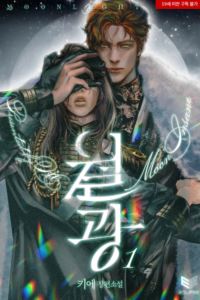
Ruth Kaizel, a twenty-two-year-old knight of the Crimson Knights, is promoted to Commander of the 3rd Division, tasked with guarding Crown Prince Ail Linus of the Karileum Empire. Ruth’s ascent is not a result of merit but political maneuvering by his father, Lyman Kaizel, who has recently risen to the position of Chancellor. Ruth joined the knights at thirteen to escape the oppressive influence of his noble family and the stigma of his mother’s past as a renowned courtesan. He harbors deep resentment toward his father, who forced his mother into a loveless marriage and now uses Ruth as a political pawn. Despite his outward composure, Ruth feels trapped by his family’s resurgence and dreads the obligations that come with his new rank. Upon meeting the fourteen-year-old Prince Ail, Ruth is struck by the boy’s otherworldly beauty and an intimidating, predatory dignity that unsettles him. Ail is known for his cold, eccentric nature and lack of emotional expression. Their initial interaction is tense; Ail mocks Ruth’s appearance and background, comparing him to a harem attendant, yet allows him to serve after Kamiel, Ruth’s friend and Ail’s trusted confidant, vouches for his loyalty. Ruth’s primary concern is not the prince’s personality but the political implications of his assignment, especially given the historical rivalry between the Kaizel and Jenin families, to which the Empress belongs. The political landscape shifts dramatically when rumors surface regarding Ruth’s close friendship with Elsen Miel and Elsen’s engagement to Lady Erita Jenin, a potential bride for Prince Ail. Rather than dismissing the rumors, Ail abruptly announces his engagement to Erita, overriding previous plans to marry Ruth’s younger sister, Leia. This decision devastates Elsen, who had dedicated his life to the knighthood to be worthy of Erita. Ruth feels a heavy burden of guilt, believing his conversation with Ail inadvertently triggered the prince’s capricious choice. Kamiel reassures Ruth that Ail’s decision is purely strategic, aimed at strengthening his maternal family’s influence, but the engagement is now public and irreversible. As preparations for the engagement proceed, a critical secret emerges: Tasha Kaizel, Ruth’s aunt and the Emperor’s favored concubine, is pregnant. If she bears a son, the line of succession could be threatened, prompting the Kaizel family to eliminate Ail. Ruth realizes his promotion was a sacrifice; his father intended for him to die protecting the prince, thereby framing the Kaizel family for the assassination attempt while securing power through Tasha’s child. During the imperial hunting competition, assassins attack Ail’s horse, causing him to gallop into the forest. Ruth pursues and rescues the prince, but they are separated from the main guard and ambushed by masked attackers. Trapped in the mountains with Ail wounded and exhausted, the prince reveals his true nature. He holds a sword to Ruth’s throat, accusing him of being part of the conspiracy. Ruth denies involvement, explaining that his family has already discarded him as expendable. Ail, distrustful of human loyalty, proposes a pact: Ruth must protect him and help him escape. In return, Ail will spare Ruth’s family and later break his engagement to Erita, allowing Elsen and Erita to marry. If Ruth fails, Ail threatens to kill Ruth’s mother and sister. Ruth accepts the terms, recognizing it as his only chance for survival and a means to protect those he loves. He stays behind to hold off the pursuers while Ail rides to safety, sustaining severe injuries in the process. Ruth retreats to a secluded cave, reflecting on his desire to return to the freedom of his childhood home and his determination to survive the treacherous court politics that seek to destroy him.

Latest Release
DateGroupRelease
2026-08-11shanghai fantasy c103
2026-08-11shanghai fantasy c102
2026-08-11shanghai fantasy c101
2026-08-11shanghai fantasy c100
2026-08-11shanghai fantasy c99
2026-08-11shanghai fantasy c98
2026-08-11shanghai fantasy c97
2026-08-11shanghai fantasy c96
2026-08-11shanghai fantasy c95
2026-08-11shanghai fantasy c94
2026-08-11shanghai fantasy c93
2026-08-11shanghai fantasy c92

Community Reviews

Rating(3.9 / 5.0, 46votes)
5 stars
15(33%)
4 stars
14(30%)
3 stars
15(33%)
2 stars
2(4%)
1 stars
0(0%)

Popular reviews

... Read More
Okay so I need to talk about Ruth and Ail because this dynamic is everything and I am not okay. The way Ruth looks at Ail—like, genuinely looks at him—is so loaded. When they first step into the sunlight and Ail's red hair catches the light, the text literally says Ruth felt dizzy from it, as if it were a vision of the sun. And then later, after Ail saves them from the assassins, Ruth is sitting by a stream and he's thinking about how the boy seemed special from the very first meeting, how he felt drawn to him, how there was something undeniably captivating about the boy. He can't even put his finger on WHY. That's the thing that gets me. It's not just attraction, it's this pull he can't explain. And then there's the scene where Ail asks Ruth if that's his first time seeing a deer die, and Ruth admits he doesn't like killing living creatures, and Ail just says—that's not something a knight should say. It's so casual, so sharp, and Ruth just turns away. But I swear the subtext there is enormous. Ail is already seeing through him, already sizing him up, and Ruth knows it. The way he locks eyes with Ail and quickly lowers his head, like he's been caught doing something wrong—it's like he's vulnerable in a way he doesn't want the prince to see. The most devastating part though? Ruth explicitly notes that he doesn't feel that instinctive urge to protect Ail, even though he's always been overly protective of those younger and weaker. He can't explain it. Maybe because Ail holds a position far superior to his own. Or maybe because deep down, Ruth already senses that this boy is dangerous. That the boy is the predator, not the prey. And that realization—that he's drawn to someone who could destroy him—is honestly the most romantic tragedy I've read in a long time.
... Read More
Can we talk about how distinct these characters sound? Ail is 14 but he speaks like someone who's been playing political chess since he was five. His dialogue is sharp, dismissive, occasionally almost playful—and then suddenly devastating. "A knight? And a commander?" That one line carries so much contempt it's almost impressive. And then later: "Well, fine. Whatever the reason for your appointment... it's none of my business. Not that I expect much to come from your side anyway." The casual cruelty is so natural it doesn't even feel written. Ruth's voice is completely different—measured, careful, always choosing his words like they're landmines. "My duty is to prioritize Your Highness's safety above all else. I will serve you with utmost sincerity." He's not being sycophantic; he's being strategic. Every sentence is a calculated move. And Kamiel! He only has a few lines but his voice is warm and grounded. He's the only one who speaks to Ail without fear or calculation, and that's why Ail trusts him. "He is someone more trustworthy than anyone else"—Kamiel saying this about Ruth while simultaneously revealing his own deep bond with the prince is such a clever narrative choice. The author's narrative voice is restrained but never flat. There's a quiet intensity throughout that matches the emotional temperature of the story. No overwrought prose, no unnecessary flourishes. Just precise, purposeful language that makes every word earn its place.
... Read More
Okay so this whole engagement thing is wild. Let me just say it straight up: Emperor Ail decided to marry Erita and it completely upends everything. One day Leia Kaizel is the obvious choice, the next? Boom, Erita's the betrothed. And the craziest part? It was literally Ail himself who announced it after Ruth mentioned Erita and Elsen. Kamiel's take on it is spot on though — this wasn't some emotional impulse from the emperor. He's cold, calculating, and this was purely strategic. Strengthening the external family's influence. Classic political marriage move disguised as a sudden whim. What I love about the plot construction here is how the author doesn't just dump the news and move on. We get the fallout through Ruth's guilt, Elsen's devastation, and the practical consequences — the marriage is announced publicly, it can't be undone, and breaking it would brand the Jenin family as traitors. That's a huge stakes escalation. The political situation is now a powder keg. And then there's the hunting competition subplot that gets introduced right after. It feels like the author is widening the scope — from a personal romantic tragedy to a larger political and social event where everything can go sideways. The tradition about ignoring romantic incidents during the festival is a nice touch too. It's basically a narrative landmine the author is planting for later. The plot is moving fast but it never feels rushed. Every scene has purpose. Ruth's exhaustion from managing all the preparations, Ail's strange behavior around Ruth, Kamiel's administrative reshuffle — it's all connected. I'm genuinely curious about where this is heading.
... Read More
Okay, let me just say: the tension in these chapters is SO thick you could cut it with a sword. And I don't just mean the physical threat—though Ail grabbing Ruth's hair and stepping on his hand definitely counts. The real stakes here are psychological. Ruth has spent four years in this relationship, and now he's finally ready to leave. But leaving Ail isn't like leaving a bad job or a toxic friendship. Ail is the Emperor. He has power over everything—Ruth's career, his reputation, his family. When Ail says "And if I told you not to go there?" and Ruth replies "You have no right to dictate where I live," you can feel the weight of that question. Does Ruth actually have a choice? Or is he just delaying the inevitable confrontation? And Ail? His conflict is equally intense. On one hand, he tells himself Ruth is "a perfect plaything," that letting him go would be ideal. On the other hand, he's losing sleep over it, watching him breathe, feeling his pride "deeply wounded." The author makes it clear: Ail is not a rational actor here. He's obsessed, and obsession doesn't care about logic. The physical danger is also real. Nathan is young, the Emperor is gravely ill, assassination attempts are expected. This is the "most dangerous period" and Ail is distracted by personal turmoil. That's a recipe for disaster. If Ruth leaves now, does he leave Ail vulnerable? Or does he save himself? Every scene builds on the last, and by the end of this batch, I'm on the edge of my seat. Ruth is caught between his desire for freedom and his inability to escape Ail's gravitational pull. And Ail is caught between his need for control and his terrifying realization that he might actually lose the one person he can't live without. I need the next chapter. Now.
... Read More
I've been turning over some symbols from these chapters and they're layered in ways I didn't expect. Let's start with the sword. Ail wields a silver longsword made to match his small frame. Ruth is handed a position of command but feels unworthy of it. The sword becomes this recurring motif of power—both the literal kind and the kind that comes from birthright. Ail says "there's always a chance we might end up pointing our swords at each other someday" and it's not just a threat. It's about two boys who will never be equal, no matter what happens. Then there's the bloodline imagery. Ruth's mother was a courtesan—the most sought-after in the continent. His family name is both his greatest asset and his deepest shame. Ail's imperial blood makes him radiant but also isolated, trapped in a role he didn't choose. Both boys are prisoners of their lineage, just in opposite directions. One is elevated by it, the other is diminished. The Northern Palace garden is overgrown, neglected, secretly beautiful—exactly like Ruth himself. Hidden away, thriving in solitude, away from the rigid perfection demanded by the Golden Palace. The author keeps returning to this contrast between the polished, oppressive beauty of power and the wild, untamed freedom of something growing in the shadows. And the heat. Always the heat. Summer in Kandium is described as oppressive, blinding, exhausting. But heat also generates pressure, and pressure creates something. I can't help but feel the season is symbolic of what's building between these two characters—something that can't be contained anymore.
... Read More
I have to appreciate how the author uses setting as a mood instrument here. The hunting competition doesn't just happen in a vacuum—it starts in the Golden Palace under hot summer sunlight, moves to the foothills of Endia Mountain where the air is fresh and greenery is abundant, and then pulls them deeper into the dense forest where the light changes and the paths narrow. Each transition mirrors the story's shift from political surface drama to life-or-death danger. The most cinematic moment for me has to be when Ail first steps outside. The text describes his red hair beginning to shine in the sunlight, and Ruth feeling like he's looking at a vision of the sun itself. That image—gold thread on blue fabric, the royal crest, the golden falcon on the sword—paints such a vivid picture of Ail as almost blinding, almost otherworldly. You can literally see him glowing. And then the contrast when they ride into the forest and arrows start flying, and the light becomes filtered through trees, and the world shrinks to just the sound of hooves and wind and the screech of a wounded horse. The environment goes from open and bright to claustrophobic and shadowy, and it perfectly tracks the emotional arc. I also loved the detail about Endia Mountain itself—the stream running north to south, how during rainy season it overflows and becomes dangerous, but in dry season the water is mostly underground. This isn't just flavor text; it's the kind of geographical detail that makes the world feel real and lived-in, and it becomes practically important when Ruth is trying to figure out which path leads out of the mountains. The author is building a world where the land itself matters, where geography isn't just backdrop but active plot. That's skilled worldbuilding.
See all reviews

Characters

See all characters

Custom lists

See all custom Lists