May You Fall Into Hell
+Add to Custom List
Genres:
Novel Info
  • Author:
  • Status:Ongoing

Summary

... Read More

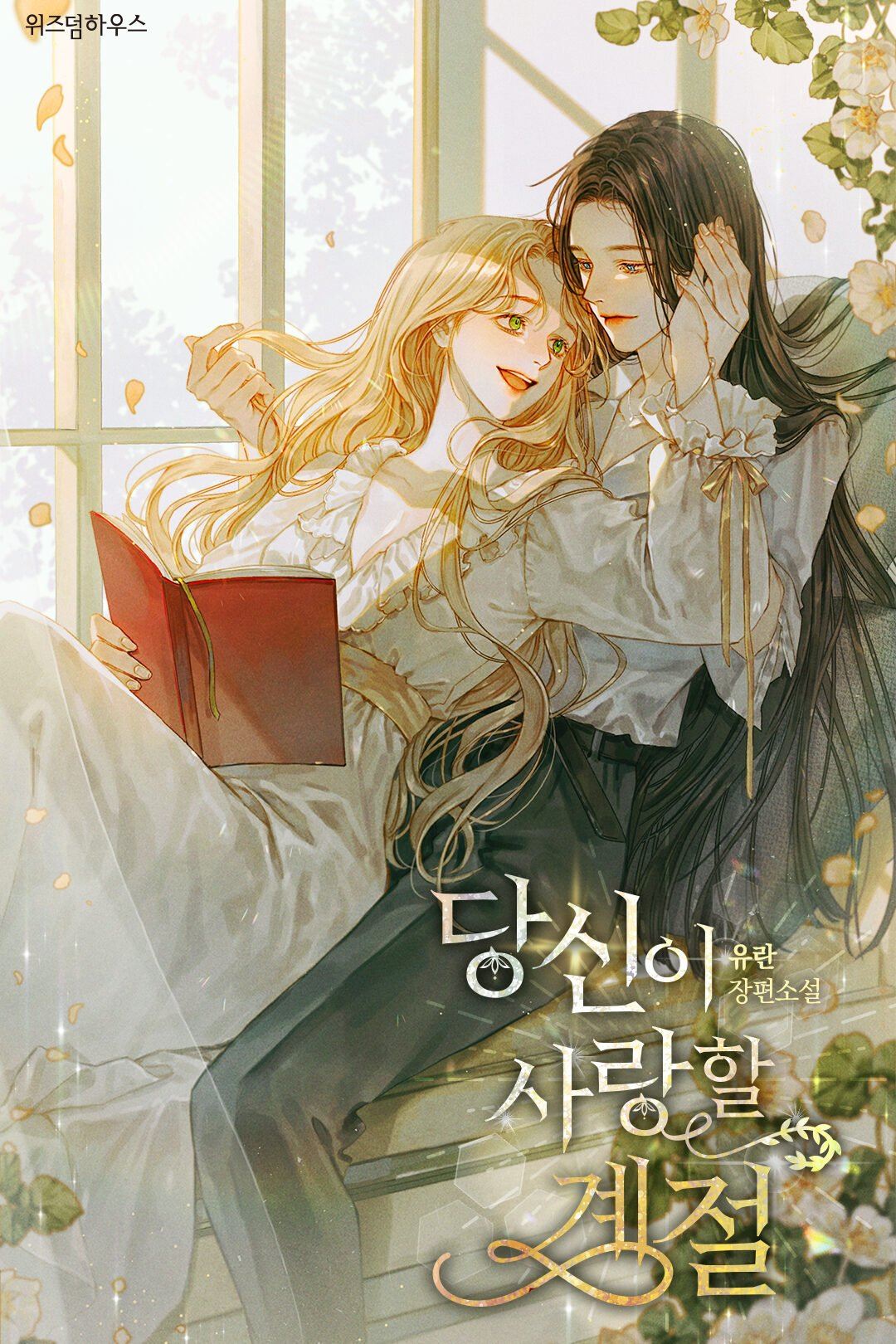
Heila was the beloved only daughter of the Emperor and a princess of the imperial family, but her life unraveled after a rebellion led by Kersian, the Duke of Chaos, toppled the regime. Having been married off to Kersian as part of a political arrangement, she had lived in ignorance of his true nature, believing his affection to be genuine. In her previous life, she endured abuse and humiliation at the hands of Kersian and his mistress, Uriel, the daughter of Count Bettia. The suffering culminated in the loss of her unborn child, which Kersian himself had killed, and the branding of her face by Uriel. Broken and betrayed, Heila threw herself from a window to her death, only to awaken on her wedding day, eighteen years earlier, with her memories intact.

Armed with foreknowledge of the betrayals to come, Heila resolves to change her fate. She recognizes that her past self was naive and passive, allowing Kersian and Uriel to manipulate her into isolation and ruin. Determined not to repeat her mistakes, she begins to shed her timid demeanor. The first major shift occurs when she confronts Uriel and Count Bettia directly. Instead of shrinking away from their provocations, she accuses them of insulting the imperial family for Uriel’s disruption of the wedding ceremony. Her cold authority and willingness to invoke her father’s power frighten the Bettias, forcing Uriel to kneel and apologize publicly under threat of further consequences.

This confrontation marks a turning point in Heila’s relationship with her new husband. Kersian, expecting her usual docile compliance, is instead confronted by a woman who refuses to forgive or forget. He is disturbed by her sudden maturity and the loss of her former dependence on him. While Uriel seeks to damage Heila’s reputation by spreading rumors that the princess assaulted her, Heila remains unmoved, prioritizing her safety and political standing over social niceties. She realizes that her loyalty to the ducal house must be conditional and that she cannot trust the people around her, including the servants who have historically sided with Kersian.

Heila’s primary concern is protecting those she loves from the tragic fates she remembers. She identifies Heinrich, her loyal childhood knight, as someone who will die in a bandit subjugation campaign ordered by Kersian. She urgently warns him to refuse any such orders, revealing that she believes these events are part of a dangerous pattern. Her actions also extend to Elliot, Heinrich’s young apprentice, whom she protects from the same fate. By intervening early, she attempts to dismantle the network of betrayal that destroyed her in her past life.

Despite these efforts, the political landscape remains hostile. Kersian continues to prioritize his relationship with Uriel, viewing Heila’s outbursts as hysterical behavior rather than justified anger. He struggles to understand the woman he has married, noting that she no longer seeks his approval or validation. Meanwhile, Heila prepares for an upcoming banquet, using the opportunity to assert her status and gather information. She understands that survival in this court requires more than just avoiding immediate danger; it demands active political maneuvering and the cultivation of her own power base separate from Kersian’s influence.

The story follows Heila’s transformation from a victim of circumstance into a calculating survivor. She accepts that her past love was misplaced and that her happiness depends on her own agency. As she navigates the treacherous waters of the ducal household, she faces the challenge of maintaining her sanity while surrounded by enemies who believe she is still the weak girl they exploited. Her journey is one of reclaiming her identity, securing her position, and ensuring that those who wronged her in her previous life face the consequences of their actions, all while protecting the allies who remain loyal to her.

Latest Release
DateGroupRelease
2026-10-03dusk blossoms c47
2026-10-03dusk blossoms c46
2026-10-03dusk blossoms c45
2026-10-03dusk blossoms c44
2026-10-03dusk blossoms c43
2026-10-03dusk blossoms c42
2026-10-03dusk blossoms c41
2026-10-03dusk blossoms c40
2026-10-03dusk blossoms c39
2026-10-03dusk blossoms c38
2026-10-03dusk blossoms c37
2026-10-03dusk blossoms c36

Community Reviews

Rating(0 / 5.0, 33votes)
5 stars
0(0%)
4 stars
0(0%)
3 stars
0(0%)
2 stars
0(0%)
1 stars
0(0%)

Popular reviews

... Read More
The stakes in this story are personal and devastating. Heila died. She literally threw herself off something and her body was shattered. And now she's back at the wedding that started her nightmare. The conflict isn't just external - it's inside her head, constant and overwhelming. She doesn't want to face Kersian. The thought of him makes her heart race. She wants to destroy everything in the room. She almost throws herself out the window again because seeing that familiar view triggers the memory of her death so sharply. But she stops. Not because she's afraid of dying again, but because she can't bring herself to hurt Marlin. That's growth. That's someone choosing life even when death feels easier. The external conflict is just as loaded. Kersian is already annoyed that his wedding was ‘a laughingstock.' He thinks Heila overreacted. He's planning to ‘smooth things over.' He has no idea what he's dealing with now. The irony is brutal - he thinks he's the victim of a bad wedding day, but he's the reason she died in the first place. Uriel is the active threat. She caused this. She wore white to a wedding out of jealousy, she played some prank that ruined everything, and she's still clinging to Kersian. They've been secretly together for years. She's not a misguided girl - she's calculating and ruthless. And then there's the emperor, Heila's father, who ‘cherished the daughter he had late in life more than anything.' He can't attend the wedding because of his health. If he knew what his daughter was going through, it could kill him. That's a ticking clock buried in the text. The tension comes from the gap between what Kersian thinks is happening and what Heila knows is coming. He's annoyed she hasn't come to him. She's in the garden deciding to survive. Those two realities can't coexist for long.
... Read More
Okay, I need to talk about this one scene where Heila looks at herself in the mirror and touches her unblemished cheek. I genuinely got chills. Like, think about what she's remembering — Uriel burning her face with heated iron. That's not just violence, that's psychological destruction. And then Kersian standing there, pristine and dignified, looking down at her like she was nothing. But here's the thing that wrecked me: she's actually *satisfied* with how she looks now. "Favoritism and jealousy only corrode the heart." That line? Cold as ice, but also… protective? Like she's armor-ing herself inside out. She used to feel inferior to Uriel. Now she doesn't care. That's not healing, that's something else entirely. And then Kersian says "You seem even more beautiful today" and her gaze wavers because she remembers the exact moment before she died — and she decides, right there, that SHE will abandon HIM first. One day. When the time comes. I am NOT okay with this. The tragedy is that Kersian still has no idea what he's lost. He thinks he's being merciful letting her stay. He thinks Uriel is the problem to be managed. Meanwhile Heila is just… performing. Smiling. Letting him believe whatever makes him comfortable while she collects her patience like currency. "Before Kersian abandoned her, this time she would abandon him first." I am screaming.
... Read More
Can we just talk about how Kersian enters the room and immediately judges Elliot? 'Even if he's a guard, is it really necessary to bring him around inside the house as well?' Bro, you almost had her killed and you're worried about a teenage boy standing in the sitting room? The gaslighting is SO thick I could spread it on toast. But here's what broke me—Heila actually says 'More precisely, you decided that on your own and simply informed me.' WHEN HE SAID NOT TO BRING UP THE BLOOMFIELD AFFAIR. She caught him in his own contradiction and I screamed. The power dynamic between these two is just... so fucked up and yet somehow electric? And then Kersian's internal monologue when he sees her: 'She still had a youthful look, but once she matured a bit more, she would likely become far more beautiful.' Wait, what?? You put a bruise on her face and then think about how pretty she'll be later? The man is delusional AND dangerous. I hate how compelling their dynamic is. Also—Halis executed his own vice captain who had served his family. 'Ever since your father saved my grandfather on the battlefield...' and still, zero mercy. This man is built different.
... Read More
The pacing in these chapters is absolutely masterful and I want to talk about how the author switches between Heila's POV and Uriel's POV like a knife. You start with Heila and this quiet, disciplined boy Elliot—seventeen, silver-haired, tense like a drawn bowstring. It's a calm moment, almost domestic. Then BAM, you're thrust into Uriel's storyline with Kersian visiting her bruised and battered body. The contrast is jarring in the best way possible. One chapter you're in Heila's world of letters and quiet suspicion, the next you're watching Uriel cry into Kersian's chest like a damsel in distress. And then you CUT BACK to Heila, who is writing while Marlene storms in about Kersian staying overnight elsewhere. The structure keeps oscillating between these two women—both victims of Kersian's attention in completely different ways. What I find fascinating is how the author uses silence as a pacing tool. Heila doesn't react to Marlene's fury. She doesn't explain herself to Kersian. She just sits there writing, and the lack of reaction IS the reaction. It's more powerful than any outburst could be. The tea scene is another masterclass in tension building. The maid brings tea, hands trembling, and the author lingers on small details—the steam rising, the reddish liquid, the faint smile that doesn't reach her eyes. Then Heila just says 'I'll drink it later, so leave it there' and turns back to Marlene. She's refusing to engage with the threat directly, which makes the danger feel so much more real. And that ending with Kersian asking to borrow her knights? Perfect cliffhanger. It raises the stakes—now the conflict isn't just personal, it's political. The estate needs protection, Heila has the knights, and Kersian is using their marriage as leverage. The pacing never drags because every scene either reveals character, advances conflict, or both. Even the quiet moments—the horse ride, the carriage tour—feel charged with unspoken tension.
... Read More
I need to just sit with this for a moment because the Kersian situation is SO complicated and I have FEELINGS about it. On paper, he's doing things that look almost normal—bringing flowers to Uriel, visiting Heila, asking to spend time together. But read between the lines and it's pure toxicity wrapped in pretty words. He spends the night with Uriel WHILE Heila is miscarrying. He covers up the investigation into the miscarriage. And now he's acting confused that his wife won't cuddle him on a horse? The author is doing something really interesting here because Kersian genuinely seems to think he's being a good husband. When he says 'sometimes I feel like you're not yet ready to accept our family with your heart,' that's manipulation 101, even if he doesn't realize he's doing it. He's gaslighting her into thinking HER reaction to HIS past behavior is the problem. Meanwhile Uriel is this broken girl clinging to Kersian because he's the only warmth she's getting, and Heila is seeing all of it with new eyes from her past life. The contrast between how Heila USED to treat Kersian versus how she acts now is incredible. Remember when she used to be sweet and obedient? Now she's hiding under blankets and refusing to even sit across from him at dinner. And Kersian's confusion reads almost comically at times—like he genuinely cannot understand why his wife is avoiding him when he's clearly doing everything right. Except he's not. The marriage is built on a foundation of lies and neglect and Heila finally sees it. But here's what keeps me up at night: the dynamic between Heila and Elliot. He's seventeen, she's twenty-four (by her first life's count), he's supposed to be her subordinate but the way he watches her, the way his expression darkens when Kersian comes to visit—there's something there. Not romantic necessarily, but deeply loyal in a way that contrasts sharply with Kersian's conditional affection. And Marlene! Poor Marlene trying to comfort Heila while also being worried about her own position. These three women—Heila, Marlene, Uriel—are all trapped in different ways by men who think they're protecting them.
... Read More
The central theme here is so clearly about fate versus agency, and it's woven through almost every scene. The opening line that changes everything is ‘Fate is something people create.' This isn't just a nice quote. It's the thesis statement of the entire story. Heila spent her whole life believing she had no control - her father died, her mother died, she was forced into a marriage, she was betrayed, she jumped from a height. She thought she was powerless. But now she's alive again, and she's choosing to believe something different. The smile on her face when she says it is heartbreaking because you know what she's fighting against. She's not naive anymore. She knows the world is cruel. She's just deciding to stop letting it crush her. The wedding portrait is a symbol of everything false about her previous life. On paper, she was the honored princess marrying into a ducal house. In reality, she was alone, humiliated, and being treated as an afterthought while Kersian comforted Uriel. The white dress described as ‘like freshly fallen snow' looks pure and perfect, but the bride's expression didn't look bright. That's exactly her whole existence - beautiful on the surface, rotting underneath. The nurse Marlin represents genuine love and loyalty. She stayed by Heila's side all night, her eyes red from crying, worried sick. She's the only person who actually cares. That contrast between genuine care and the performative relationships around Kersian's circle is deliberate. The repetition of the wedding day as the starting point is significant. It's not just ‘going back in time.' It's returning to the moment everything went wrong, armed with the knowledge of how badly it would all end. That's not a gift. It's punishment that becomes a weapon.
See all reviews

Custom lists

See all custom Lists