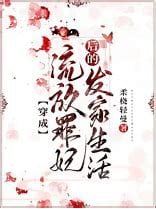
Xu Qinyu, a world-renowned chef who died in a car accident, awakens in the body of a fifteen-year-old noblewoman in an ancient dynasty. The original owner was the second legitimate daughter of the Dechang Marquis Mansion, a family where she was neglected and mistreated. Her life was upended when the engagement intended for her third sister, Xu Qinwei, was forcibly transferred to her. The fourth prince, Xu Qinwei's betrothed, had been stripped of his title and exiled to the southwest after his faction lost a brutal struggle for the throne. The new emperor, paranoid about potential usurpers, had executed the eldest prince and exiled the entire imperial family, including the fourth prince, his mute younger brother, and his sister, the sixth princess. The Dechang Marquis Mansion, fearing political backlash and wanting to protect their favored third daughter, sacrificed the second daughter to maintain appearances, sending her into exile in a bridal sedan chair.
Accompanying her is the exiled imperial family, a group of broken people consisting of her sickly husband Pei Weixuan, his mother Madam Wen, his sister Pei Jianing, and two young children. The journey is harrowing, marked by relentless rain, freezing temperatures, and severe malnutrition. Xu Qinyu, initially dazed and weak, quickly adapts to her dire circumstances. Her modern culinary expertise becomes her most valuable asset. When the group faces a potential landslide due to heavy rains, she uses her knowledge of terrain to warn the escorting soldiers, earning the respect of Deputy Officer Chen. Recognizing the desperate need for food, she volunteers to cook for the soldiers, trading her culinary skills for hot meals and better treatment for her family.
In the rugged southwest mountains, Xu Qinyu discovers abundant wild ingredients, including winter bamboo shoots and various mushrooms. While the locals fear wild mushrooms due to frequent poisonings, Xu Qinyu confidently identifies edible varieties. She prepares dishes that astound the hardened soldiers, transforming simple cured meat and wild vegetables into flavorful stews and soups. Her cooking not only sustains the group physically but also shifts the power dynamic. The soldiers, accustomed to bland rations, become reliant on her skills, granting the Pei family preferential treatment and protection. Meanwhile, the Wen family, who had previously bullied the Pei family, are left envious and resentful as they watch the exiles thrive on good food while they suffer.
Upon arriving at Raozhou City, a strategic border town known for its iron and coal mines, the group faces a new challenge: the high cost of household registration. Xu Qinyu manages their limited finances, pooling silver from pawned jewelry and hidden gold leaves to secure a place in Yuanbao Town, a bustling commercial hub with a large dock. However, her husband Pei Weixuan falls critically ill with a high fever. A local doctor diagnoses poisoning alongside his fever, revealing that Pei Weixuan had been systematically poisoned in the palace, likely to weaken him without killing him outright. This discovery adds a layer of danger to their new life, as the source of the poison remains unknown and potentially still active.
Xu Qinyu takes charge of her husband's care, using her resources to buy medicine and high-quality ingredients like fish and short-grain rice. She prepares nutritious fish porridge, a dish far superior to anything available in the local inns, which impresses even the innkeeper and his staff. Her actions demonstrate her determination to survive and protect her new family. As they settle into Yuanbao Town, Xu Qinyu begins to plan her future. She intends to use her cooking skills to establish a business, ensuring financial stability for the Pei family. The story follows her transition from a discarded noblewoman to the matriarch of a fallen royal house, navigating the political intrigues of the southwest while mastering the culinary arts to carve out a new existence.
The narrative highlights the stark contrast between Xu Qinyu's modern sensibilities and the harsh realities of ancient life. Her resilience and practicality set her apart from the original owner, who had succumbed to despair. As she builds a life from scratch, she must also contend with the lingering threats from the capital. The poisoned state of her husband suggests that enemies are still watching, and the political landscape remains volatile. Xu Qinyu's culinary success in Raozhou brings her attention, both positive and negative, from local merchants and officials. Her journey is one of survival, adaptation, and quiet rebellion against the fate imposed upon her. Through her food, she nourishes not just bodies but also the hope of a family that had lost everything.
The story concludes with Xu Qinyu establishing a foothold in Yuanbao Town. She has secured housing, begun to recover her husband's health, and started to build a reputation through her cooking. The Wen family, now also exiled in the same region, remains a source of tension, their resentment simmering beneath the surface. Xu Qinyu is aware that her new life is fragile. She must navigate the complex social hierarchy of the border town, manage the health of her sickly husband, and uncover the truth behind the poisoning. Her ultimate goal is to protect her family and ensure their survival in a world that has already tried to destroy them. The narrative sets the stage for future conflicts, as Xu Qinyu's rise in the culinary world may intersect with the political ambitions of those who seek to control the southwest's resources.
| Date | Group | Release |
|---|---|---|
| 2026-08-11 | shanghai fantasy | c126 |
| 2026-08-11 | shanghai fantasy | c125 |
| 2026-08-11 | shanghai fantasy | c124 |
| 2026-08-11 | shanghai fantasy | c123 |
| 2026-08-11 | shanghai fantasy | c122 |
| 2026-08-11 | shanghai fantasy | c121 |
| 2026-08-11 | shanghai fantasy | c120 |
| 2026-08-11 | shanghai fantasy | c119 |
| 2026-08-11 | shanghai fantasy | c118 |
| 2026-08-11 | shanghai fantasy | c117 |
| 2026-08-11 | shanghai fantasy | c116 |
| 2026-08-11 | shanghai fantasy | c115 |