I Will Do As You Wish - Reviews

I Will Do As You Wish
+Add to Custom List
Sort
Add review
... Read More
Okay so this whole sequence with Felicia and Marhel is everything. Like, we've been waiting for this forever and when it finally happens it's not some grand romantic declaration but this messy, painful, real moment where she literally falls out of a tree and he catches her. And the fact that she's covered in blood and torn fabric and he just... takes her in. No ceremony. Just 'I have a secret passage too.' The way their dynamic has shifted from those childhood memories where he protected her to now where she's the one bleeding and he's the one carrying her—it's devastating in the best way. And then the ending with Edgar! When he sees her like that and immediately goes to 'should I carry you on my back, for old times' sake?' I actually teared up. That brother-sister bond is so pure compared to the complicated stuff with Marhel. It's like, your family will always know how to love you in the simplest way. The contrast between Marhel's rough tenderness and Edgar's gentle nostalgia is giving me whiplash.
... Read More
The stakes in these chapters escalated HARD and I need to process it. First—Felicia. She wakes up injured. Not a scratch, not a bruise. Her legs hurt, her arms hurt, her ankle is swollen enough that she can barely walk, and she's been bedridden long enough that Yuan had to sneak into her room three days in a row while she recovered. What happened? The text never shows us the event directly, but the aftermath is devastating. She took some kind of physical blow meant for someone else, and the narrative treats her injury as both literal and metaphorical—her body literally breaking while her emotional world fractures around it. Then Rosia. Her moment with Edgar is one of the most chilling sequences in recent chapters. After hearing Felicia's side, Rosia doesn't just get upset—she gets cold. Determined. "If it won't disappear, I'll have to get rid of it." Edgar shivers. Even HE is scared of her in that moment. She scribbles a letter in a hurry, doesn't even sit down, and sends it to Count Viamel. Whatever plan Rosia is cooking up, it involves manipulation, espionage, and possibly crossing lines she won't come back from. Meanwhile the Marquis vs. Yuan dynamic is a pressure cooker. The Marquis knows Yuan volunteered for the front lines, earned his position, and returned without asking for anything—yet he treats him as an intrusion. And now Yuan is inside the Akuris mansion every day, secretly, with Rosia's help, under Felicia's direction. Three days of sneaking around in a house full of people who already dislike him. What's he looking for? What's Felicia trying to uncover? The subplot with Arina screaming from the highest room while young Yuan sits curled up outside her door, getting slapped by Duke Dominic for existing near her—this isn't background flavor. Someone is hurt, someone is trapped, and the dominoes are starting to fall. Every conflict introduced here is threaded together, and none of them have resolution in sight.
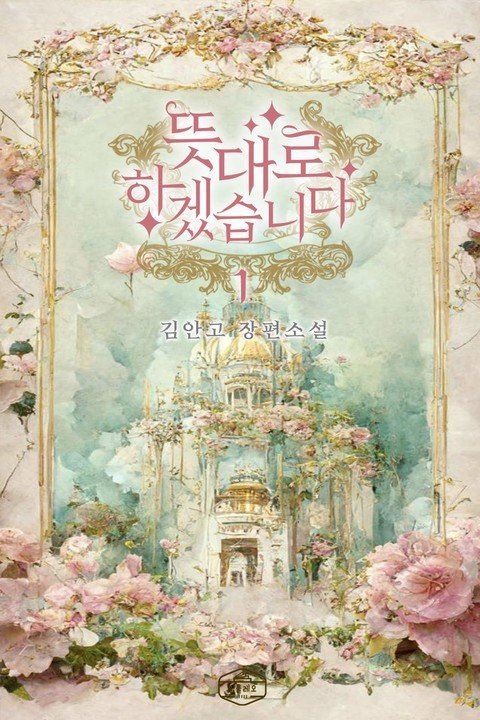
... Read More
Everything in this section is about hiding and performing. Felicia is Nadia. Nadia is Felicia. She writes plays under one name and lives under another, telling Yuan stories from the audience's perspective like she's sitting in the front row of her own life. Yuan wears a black cloth over his face when visiting—not literally for most of the chapter, but metaphorically the whole time. He's performing the role of devoted suitor while secretly hunting for a ghost. Rosia uses the cloth as a prop to tease him, unaware that the real disguise is existential. Even Arina performs kindness—the hereditary title of hospitality masking deliberate cruelty. And then there's the golden apple myth Felicia crafted. A shepherd chooses love over beauty, gets cursed, and the woman he loves breaks the curse by coming to him. It's a story about choosing the wrong person and being punished for it—but also about love that refuses to accept impossibility. Is that Felicia's wish? To be found despite her disguise? Or is it Yuan's tragedy—he's searching for Nadia, the woman he's drawn to, but he may never reach her because every step closer reveals another curse? The recurring imagery of veils, cloths, bandages, and hidden doors (literally—Felicia escapes through a secret passage to attend the tea) all point to the same theme: identity as both shield and prison. The deeper you dig, the more layers you uncover, and somewhere in there, is the truth or just another performance?
... Read More
Okay so this whole arc where Felicia is juggling Marhel and Yuan like she's playing 4D chess while secretly panicking inside? I love it. The plot has been steadily stacking these layers—marriage talk, the Akuris family manipulation, Yuan hiding behind willow trees like a ghost—and this chapter brings them all crashing together in the most satisfying way. What really got me was how Yuan stumbles into Felicia and Marhel's conversation again. Not by design! He's literally just trying to sing himself quiet and then hears his own name. The irony is brutal. He overhears Felicia tell Marhel "I don't like you" and then later pretends everything is fine while nursing her arm. That scene where he asks "If I'd been close to you since childhood, would things have been different?" and she says they'd have been good friends—I literally sat there staring at my screen. And the subplot with Storia getting threatened? That fire container, the torches, Dejaire facing them down like a queen in purple? It feels like the calm before a storm. The author is building toward something big and I can feel it in my bones. The plot thread about Yuan needing to find Nadia through Felicia is also weaving in beautifully—every interaction between them now has this double meaning where both characters think they're using the other but are actually just getting closer.
... Read More
Okay I need to address the plum sherbet scene because the symbolism here is SO on the nose but also SO perfect I can't even be mad at it. Felicia is eating dessert at dinner, her family is dissecting her life, and she's deliberately choosing the sour one. 'Perhaps it wasn't plum season yet—the sour taste was stronger than the sweet. Fooled by its ripe color, Felicia still finished her bowl.' She pretends everything is fine at that table. Rosia is asking pointed questions, the Marquis is seething, and Felicia just smiles and eats sour fruit. She's fooling them the same way the plum fools your eyes—it looks ripe and sweet but it's actually sour. And then there's the entire dynamic with Yuan and the parasol as a symbol of false equality. 'Contracts should always be fair.' But is it? She's the one rowing. He's the one being shaded. They're performing partnership while both of them are hiding something from everyone else. And Marhel—God, Marhel represents the whole tragedy of this story. He plucks flowers to pieces trying to feel something, he wears nothing like he's stripped bare emotionally, and yet he won't admit what he's lost. The empire's second sun is literally lying in darkness. Everything in this text feels layered. Every gesture, every meal, every glance at a window or a door carries weight. Even the back door Felicia uses at Storia versus the front door—she's always entering through hidden passages, living half a life, moving between worlds. That's the whole story right there.
... Read More
I need to talk about this one image that I keep coming back to: Felicia bathed in moonlight, sparkling every time the willow branches swayed. The author doesn't just describe a scene—they make you FEEL the temperature, the light, the entire atmosphere pressing against your skin. The banquet itself is such a vivid backdrop too. The louder voices, the faster music, the thin weak curtain separating the two balconies like fate itself is just cloth. And Marhel drinking brandy on one side, Yuan appearing behind that flimsy barrier on the other—literally two worlds separated by a piece of fabric. That detail wrecked me. Then you've got Storia at night, peaceful for once. People washing costumes, hanging them on lighting lines, practicing songs. It's so intimate and domestic, this glimpse into where these performers actually live when no one's watching. And then—boom—torches. Ten men with a sloshing container. The smell of oil. Dejaire in purple walking toward them like she owns the darkness. The contrast between the opulent noble banquet and the gritty alley outside is gorgeous. The world feels alive in both directions, not just the palace halls. And that line—"outside the Count's banquet was a time only for those who were lowly and had to bow"—chills. Every location has its own texture.
... Read More
I need to talk about the play Felicia keeps telling Yuan about. The one where a shepherd gives a golden apple not to the most beautiful goddess but to the woman he loves, and gets cursed for it—but she breaks the curse anyway. This keeps coming up every time he visits. It's not just background detail. Felicia literally wrote this story herself (as Nadia), and every time she tells it to Yuan, she's sitting across from him knowing he's searching for Nadia while she plays along. Who is the shepherd? Who is the cursed woman? Is she testing whether he'd choose someone 'cursed' and unattainable? Or is she warning him? Meanwhile, the rumor mill is churning—Yuan's daily visits to the Akuris mansion are spreading gossip dirty enough for Marhel's design. The plot threads here are braided: Yuan's search for Nadia, Felicia's secret identity, political maneuvering with the Dominic Dukedom, and the letter that pulls her into Arina's web. Every piece of dialogue between Felicia and Yuan is layered with double meanings. He asks about going to Storia; she internally screams. He says 'you don't realize how transparent you are'; she grips the sofa edge. The narrative is basically two people performing intimacy while keeping lethal secrets from each other. And I am HERE for it.
... Read More
There is so much symbolic density packed into these early chapters that it rewards repeated reading. The corset is the most obvious symbol. Felicia explicitly mentions squeezing herself into it to transform from a childhood friend into a woman worthy of Marhel's desire. This is not merely a fashion detail. It represents everything she has compressed and constrained about herself to fit into his imagination of what a wife should be. Her sunset-colored hair versus his golden hair carries similar weight. She cherishes her own coloring but imagines their child's hair as a dilemma, as if her identity will be absorbed into his lineage. The star metaphor runs throughout her internal monologue. She compares her heart to a star that is always present even when invisible. Stars are distant cold burning things though, and that ambiguity fits perfectly. The ring finger she unconsciously strokes when imagining matching rings with Marhel represents betrothal and ownership simultaneously. And then there is the kneeling scene at the end of Chapter 1, where she presses her forehead to his hand. In medieval and Byzantine tradition this is an act of vassalage, not romance. She is literally submitting herself as his subject. The title "The Most Perfect Night" becomes bitterly ironic when you realize perfection was always an illusion she constructed herself. The real story here seems to be about what happens when that illusion shatters and whether a woman who has defined her entire existence around one man can discover who she is without him.
... Read More
The sensory world-building in these chapters is genuinely striking. The opening scene in the imperial palace garden under a cloudless starry sky immediately establishes a fairy-tale atmosphere that the narrative deliberately subverts. The author describes the breeze, the distant voices, the moonlight making everything shimmer, and Marhel's golden hair shining brighter than the moon itself. It reads like a painting come to life. Then just when you think it is settling into a standard romance setup, the whole thing shatters. The transition from this luminous romantic fantasy to the cold, brutal rejection is masterfully done through environmental contrast. After Marhel leaves, Felicia is abandoned in the desolate wind by the lake surrounded by grand willow trees. This shift from the bright party hall to the dark lakeside is not accidental. It mirrors her emotional state perfectly. The lake scene feels mythological almost like something out of a legend, and Yuan emerging from behind the willow like some kind of forest spirit or dark fairy reinforces that atmosphere. The Dominic Duchy connection to the Empress and the war-torn backstory of the character add geopolitical texture to the world without infodumping. The Akuris family crest on the carriage, the imperial palace architecture, the distinction between dukes counts and marquis families all create a living aristocratic society that feels lived in rather than generic fantasy wallpaper.
... Read More
The pacing in these chapters is a masterclass in tonal whiplash. It starts with something almost domestic—Felicia and Yuan in a carriage, Rosia teasing him with that black cloth thing, banter about tears and leg injuries. You're relaxed. You're smiling. Then Roberto appears with a letter and the entire atmosphere shifts. Dominic Dukedom. Nuero Garden. Tea time. Suddenly you're not watching two people flirt, you're watching a political trap snap shut. Felicia's motivations for accepting are laid out in rapid succession: new contract clause, curiosity about the garden, and the crucial question of whether the new Duchess Arina shares her father's enmity toward Akuris. That's efficient exposition without a single clumsy info-dump. Then the chapter at the ducal residence escalates scene by scene—Arrival, greeting, the forced proximity seating chart (Felicia sandwiched between Arina and Marhel—of course), the fake compliment, the evacuation of the room, and then the verbal assault. The scene doesn't drag once. Every line of dialogue adds pressure. And it ends with Felicia standing up and asking to see the garden, which feels like both a retreat and a challenge. The author knows exactly when to quicken the pace and when to let a moment breathe. Marhel's silence after 'That's enough' gets more impact than any dramatic speech would have.
... Read More
I need to talk about the boating scene because WOW. The author painted this entire atmosphere like it was a watercolor painting—windless weather, gently flowing water, pleasantly hot sun, and these two on a lake in the middle of nowhere. But the real cinematic masterpiece is when Felicia tilts her parasol over Yuan's head. Think about it: he was rowing under the sun the whole time, she noticed, and when she hands him the parasol and says 'Contracts should always be fair'—that line hit me so hard. It's transactional language but the gesture itself is anything but. She's shielding him from the sun with this bright beige parasol with lace, and he's holding it like it's nothing while she takes up the oars again in her uncomfortable dress. The image of the Count of Viamel carrying a lady's parasol across a lake while the youngest Akuris daughter rows him—that rumor mill at the secret club later that night completely losing their minds? Perfect. The world feels SO alive here. You can practically hear the gossip spreading through the capital like ripples on that lake. And Marhel's private garden with scattered flower buds and petals, him lying in a chemise soaking up sunshine like some wounded animal—that visual alone told you everything about his mental state without a single word of exposition.
... Read More
I've been turning over the symbolism in these chapters and it's surprisingly dense for what reads like a straightforward romance-adjacent story. Let's start with the most obvious: the black roses. Felicia wakes up to black silk embroidered with black roses. Black roses don't exist in nature—they're dyed or bred, which means someone CHOSE them deliberately. Yuan sent them. In flower language, black roses typically symbolize death, farewell, or a love so intense it transcends life itself. Either way, they're not decorative. They're a statement. And Felicia notices them before she even fully registers that Yuan is in her room, before she processes her own injuries. The roses are the first truth she sees. Then there's the wave crest. Yuan receives letters with the Viamel seal and one with a wave that "could bring the scent of the sea at any moment." Water imagery throughout these chapters keeps appearing—waves, salt air, drowning emotions. The Akuris family itself seems connected to water in some deeper way I'm not quite catching yet, but the oceanic motif is undeniable. Names are weaponized repeatedly. Rosia nearly lost her name—"She herself had only barely escaped the Duke's name because of it." The Marquis calls Akuris a "humble family" while his own house screams from locked rooms. "Akuris" and "Dominic" aren't just surnames here; they're political positions, weapons, shields. When Felicia says "The Akuris line is strong," she's not just referring to bloodline—she's claiming power in a language the Marquis understands. And the contract itself. "The contract lasted until Marhel loved her. It was a set time without any set time." That paradox IS the theme. Everything in this story operates on conditional love, transactional relationships, names you can't escape. The recurring question beneath every scene is: what happens when the contract ends and there's nothing left between people but the truth they've been avoiding?

Leave a comment

You must be logged in to leave comments. or
