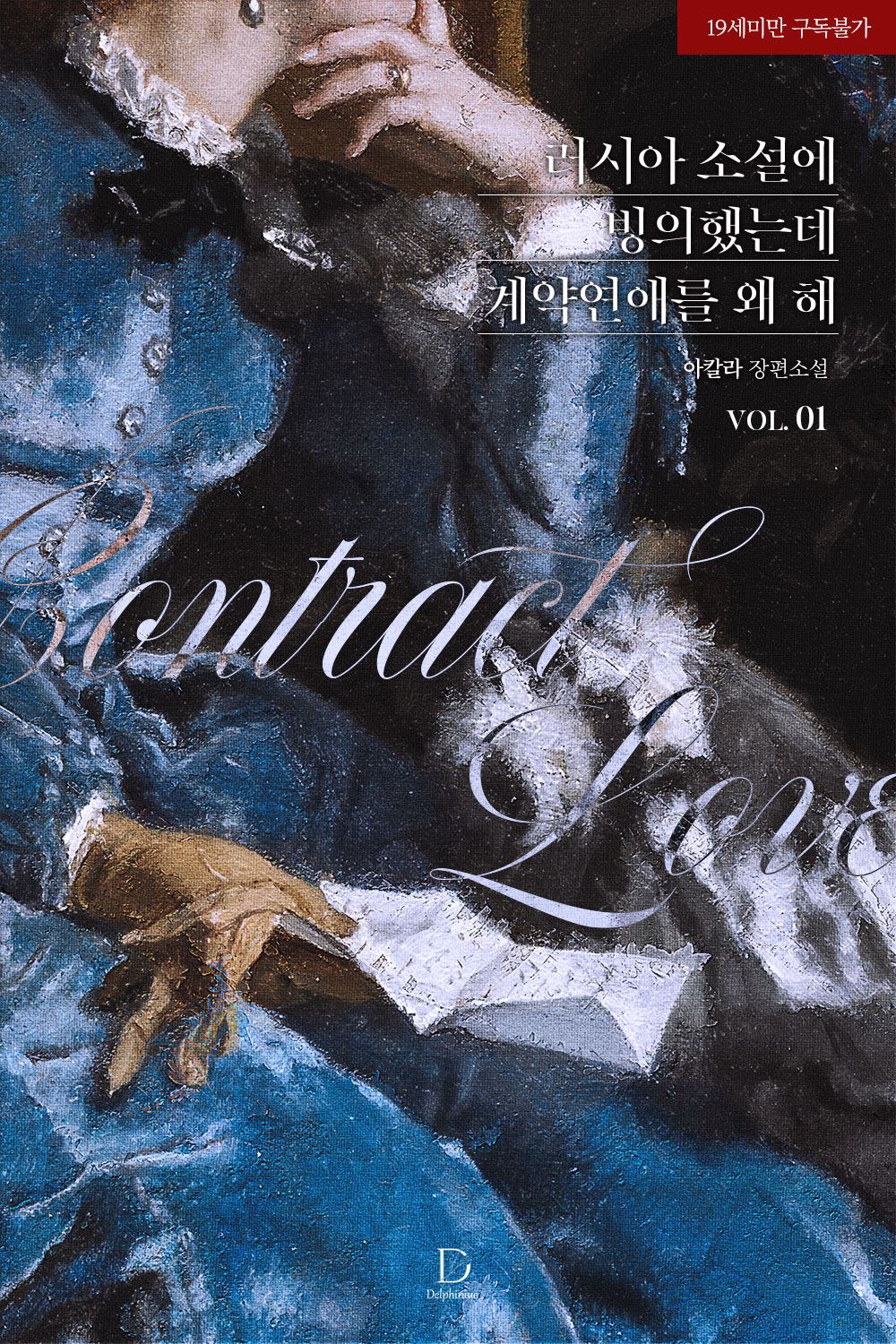
The narrative opens with Katerina waking to the same gossip about a mysterious Count Morozov who has arrived in town. She encounters Rodion Nikolayevich Morozov, the brooding military officer and rumored rake from Saint Petersburg, who reveals he needs a fake fiancée as cover to visit a sick retired colonel. Katerina sees an opportunity: by accepting Rodion's proposal, she can spark Ivan's jealousy and draw him closer. Their arrangement is contractual and unemotional, yet Rodion displays unexpected chivalry when he leaps into a frozen river to rescue Ivan, who has collapsed after falling through thin ice.
At Samsonov's grand ball, Katerina learns that the wealthy merchant Samsonov once had a secret arrangement with the original Katerina involving Ivan's death. Ivan, meanwhile, reveals he believes Katerina was in love with Samsonov and had asked him to stop bothering Rodion. A fight between Ivan and Samsonov ensues, and Ivan reveals he is actually an escaped convict who should be exiled to Siberia. Katerina's plan to manipulate Ivan's emotions becomes complicated when she discovers that Ivan is not merely a depressed nobleman but someone with a dark, criminal past.
As the story progresses, Katerina navigates the dangerous world of serial killers, political intrigue, and romantic entanglements. She realizes that her modern knowledge of Russian literature gives her an advantage, but the characters behave in ways that diverge from the original text. The demon of the birch forest, mentioned in the novel's opening, may be more than metaphor—a supernatural force that grants wishes in exchange for memories.
Katerina's relationship with Rodion evolves from mutual suspicion to something resembling genuine connection, while Ivan oscillates between affection, anger, and vulnerability. She must balance her goal of saving Ivan from death with the knowledge that the original story ends with his demise. The novel explores themes of fate versus free will, the power of love to transform identity, and the moral ambiguity of manipulation when the alternative is death.
Throughout the narrative, Katerina employs her understanding of literary tropes and Russian cultural conventions to navigate social situations, outwit rivals, and gather information. She forms alliances with household staff like Mariya and uses her wit to extract secrets from reluctant informants. The story suggests that breaking a predetermined fate requires not just cleverness but genuine emotional investment—and that love, whether real or performed, has the power to reshape reality itself.
The central conflict revolves around whether Katerina can save Ivan without losing herself in the process. As she grows closer to both men, she must decide whether her mission is truly about saving a life or escaping a prison of repetition. The novel leaves open the question of whether the demon in the birch forest is a literal entity or a symbol of the creative forces that govern the boundaries between fiction and reality.
| Date | Group | Release |
|---|---|---|
| 2026-10-03 | dusk blossoms | c39 |
| 2026-10-03 | dusk blossoms | c38 |
| 2026-10-03 | dusk blossoms | c37 |
| 2026-10-03 | dusk blossoms | c36 |
| 2026-10-03 | dusk blossoms | c35 |
| 2026-10-03 | dusk blossoms | c34 |
| 2026-10-03 | dusk blossoms | c33 |
| 2026-10-03 | dusk blossoms | c32 |
| 2026-10-03 | dusk blossoms | c31 |
| 2026-10-03 | dusk blossoms | c30 |
| 2026-10-03 | dusk blossoms | c29 |
| 2026-10-03 | dusk blossoms | c28 |