I Picked Up the Precious Daughter of the Villain
+Add to Custom List
Genres:
Tags:
Novel Info
  • Author:
  • Status:Ongoing

Summary

... Read More
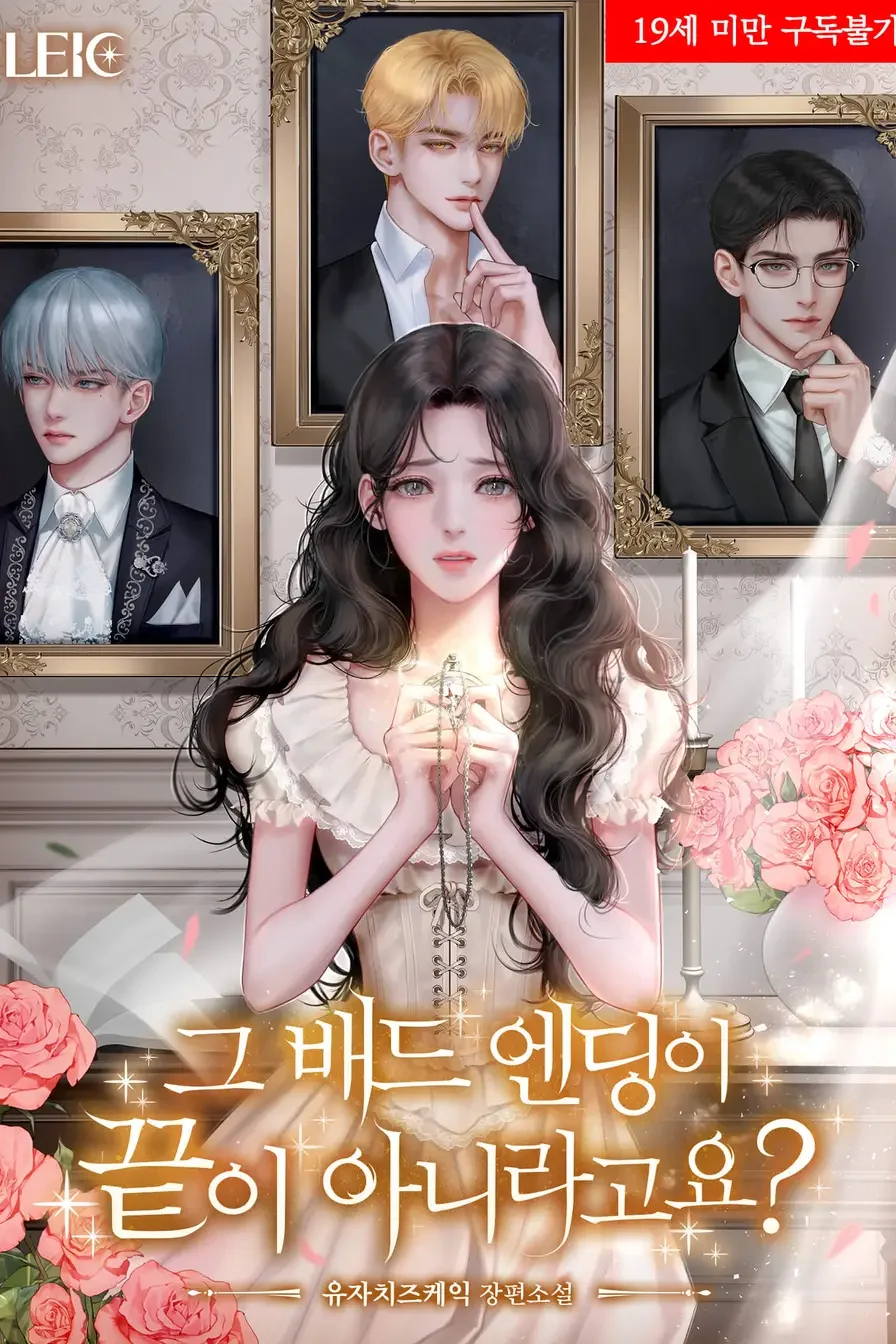
Aria Bertin is a cafe owner who discovers she has reincarnated into the world of a novel she once read as an extra character. After seven years of hard work building a successful business, her quiet life is upended when she rescues a starving, nameless child from human traffickers. The child, who boasts unique silver hair and red eyes, becomes Aria's companion, and Aria names her Elodie. As they settle into a new routine, Aria finds an old missing child flyer in her cafe storage. The description matches Elodie perfectly: a two-year-old girl named Elodie Baniche, daughter of Duke Theodore Baniche, the novel’s final villain known for his descent into madness and use of forbidden black magic.

Aria attempts to reunite the child with her father by sending letters and visiting the Duke’s mansion, but is rebuffed by suspicious gatekeepers who dismiss her claims. Undeterred, she guides the terrified Elodie through a small hole in the mansion’s perimeter fence, but the child’s fear causes them to retreat. Shortly after, Duke Theodore bursts into Aria’s home, exhibiting signs of severe instability and wielding black magic. He initially mistakes Aria for a kidnapper and attacks her, demanding the return of his daughter. However, Elodie defends Aria fiercely, addressing her as "Mom," which confuses the Duke. Upon seeing the resemblance between Elodie and himself, particularly their identical red eyes, the Duke realizes the child is indeed his lost daughter.

Despite his earlier aggression, the Duke respects Elodie’s choice to stay with Aria, though he remains suspicious of Aria’s motives. He begins a persistent courtship, appearing daily at Aria’s cafe, where his striking appearance inadvertently draws a crowd of customers, boosting Aria’s business. The Duke replaces their worn furniture with high-end alternatives and insists on providing for both Elodie and Aria, including clothing and home improvements. Aria negotiates these terms pragmatically, leveraging the Duke’s guilt and desire to please his daughter to improve their living standards.

The relationship between Aria and the Duke evolves from hostility to a complex, negotiated coexistence. The Duke, suffering from the side effects of black magic which include loss of taste and emotional volatility, finds himself drawn to Aria’s resilience and independence. Aria, meanwhile, struggles with the knowledge that the Duke is a future antagonist in her novel’s plot, yet she is bound to him by her commitment to Elodie’s happiness. As the Duke continues to intervene in their lives, offering gifts and insisting on their well-being, the tension between Aria’s desire for autonomy and the Duke’s obsessive protectiveness grows. The story culminates in Aria accepting the Duke’s presence in their lives, recognizing that maintaining a peaceful relationship with the volatile noble is the only way to ensure Elodie’s safety and stability, while navigating the dangerous currents of black magic and political intrigue that surround the Baniche family.

Latest Release
DateGroupRelease
2026-10-03dusk blossoms c100
2026-10-03dusk blossoms c99
2026-10-03dusk blossoms c98
2026-10-03dusk blossoms c97
2026-10-03dusk blossoms c96
2026-10-03dusk blossoms c95
2026-10-03dusk blossoms c94
2026-10-03dusk blossoms c93
2026-10-03dusk blossoms c92
2026-10-03dusk blossoms c91
2026-10-03dusk blossoms c90
2026-10-03dusk blossoms c89

Community Reviews

Rating(0 / 5.0, 34votes)
5 stars
0(0%)
4 stars
0(0%)
3 stars
0(0%)
2 stars
0(0%)
1 stars
0(0%)

Popular reviews

... Read More
I want to focus on the power dynamic here and it's honestly terrifying when you actually sit with it. Aria is narrating this whole situation and on the surface it reads like a heartwarming story about a duke learning to be a father and a woman finding family. But if you actually look at what's happening beneath the surface, this is a hostage situation with better lighting. Let me quote the most important paragraph in this entire section: "The reason Duke Baniche didn't take such action was only one. Because Elodie liked me so much that she would be unhappy if separated from me." That's it. That's the entire power structure. The Duke COULD file a paternity lawsuit. He COULD take her tomorrow. He doesn't need to — and the text explicitly tells us this — because Elodie's emotional attachment to Aria is the only thing protecting them both. The law is on his side. His wealth is unlimited. His social position makes him untouchable in any court. And yet he's standing there, bringing flowers, asking permission, signing contracts with penalty clauses. Why? Because he understands something Aria is still figuring out: that force would destroy the very thing he wants. If he takes Elodie by legal threat, she will hate him. She will resent him. She will never call him father. So he has to earn it. He has to show up at the cafe three times a week. He has to ask before he does anything. He has to accept Aria's terms. And Aria? She's exploiting this. Read the contract scene again. "The penalty for breaking the contract terms will be... let's say your ducal estate." She's holding his leverage against him. She knows he can't win by force, so she's turning his vulnerability into her advantage. This isn't naive benevolence — this is strategic negotiation by someone who finally understands she holds the cards. But here's where it gets complicated. Because as the birthday party approaches, the stakes shift. What if Elodie WANTS to go with him? What if the father-daughter bond that's forming between them becomes stronger than the dependency she has on Aria? Then Aria loses everything — not through force, but through love. And the strawberries in the cake? I think that's the Duke's answer to that fear. He's not trying to buy her affection. He's trying to prove he belongs at her table.
... Read More
I have to applaud the pacing in this batch because the author really knows how to stretch a single afternoon into an emotional marathon. The scene at the park starts relatively light — Mrs. Holson's gossip, Elodie collecting leaves, the casual lunch setup — and then the tension slowly ramps up through tiny moments. The protein bar gets pulled out, the hand-touches happen, the sandwich is offered reluctantly, and then BOOM the Duke says 'This is delicious' and stares at Aria like she's the most fascinating thing he's ever seen. The pacing there is impeccable because each beat builds on the last without feeling rushed. Then Elodie falls, gets scratched, and we get this tender mother-daughter moment that perfectly counterbalances the creeping romantic tension. By the time the Duke apologizes and Aria confronts him about the letter, I was already emotionally invested in every single interaction. And then the chapter ends on Elodie's question about her mother and the Duke's devastating answer. The structure here moves from lighthearted to intimate to threatening to heartbreaking in roughly the span of one afternoon picnic. I couldn't put it down and I definitely stayed up way too late finishing this batch.
... Read More
Can we just take a moment to appreciate how good Aria's narrative voice is? The woman has OPINIONS and she's not afraid to share them with you, the reader. Some lines that made me literally laugh out loud: "I inwardly paid my respects to the poor civilians who had been swindled by this con artist. See, everyone, when you stand firm, they back down this easily. Just shout back at them the same way." — This is her narrating her own thoughts like she's giving a TED talk to the café patrons. Iconic. "My drip coffee is just that delicious." — The sheer AUDACITY of this line. She just got done winning a confrontation and her brain immediately goes to self-promotion for her coffee. Priorities. "Perhaps the unspoken pressure to just eat it was effective." — The way she describes feeding Duke Baniche a waffle as if she deployed tactical psychological warfare and it worked. She's so deadpan about it. And then there's the contrast with how she speaks to Elodie—soft, careful, deliberate. The shift from her sharp café-owner mode to "Listen. You heard everything I said earlier, right?" is so natural you barely notice it happening. That's good writing right there. The voice changes based on WHO she's talking to, but it's ALWAYS Aria. Ian's dialogue is lighter, more awkward. His lines about her being "cool" and then immediately blushing? Perfect. You can hear him trying to play it casual and failing. And Elodie's stuttering "You shouldn't ma-make other people angry" perfectly captures a child's halting speech when she's emotional. The narration itself has this warm, slightly self-deprecating humor throughout. It feels like a friend telling you a story, not a novel.
... Read More
Okay, so here's the thing that completely flipped the script for me. I went in knowing Duke Baniche was supposed to be this monstrous, tragic villain who'd cause a massacre years later. But finding out Elodie IS his lost daughter? That changes every single context. Suddenly, the 'villain' isn't just some mustache-twirling evil guy - he's a broken father who went mad with grief, and his crimes all stem from a desperate, twisted love. The plot takes this sharp turn from 'merchant girl raising a found child' to 'oh crap, the future arch-villain is the kidnapped girl's dad.' And it's brilliant because it makes the conflict so much messier and more human. I kept thinking about how the protagonist hesitates - she knows the lore, she knows what he'll become, but she's looking at this little girl who calls her 'mom.' The moral weight of that discovery is heavy. Does she hide the birthmark? Does she wait for the protagonists to handle it later? The story refuses to give an easy answer, and that's what keeps you glued. It's not a clean 'good vs evil' plot anymore - it's a tangled web of family, fear, and fate.
... Read More
Okay I need to talk about this moment because it absolutely wrecked me. Like, I was all cozy reading about Aria handling the con artist like a boss, feeling all satisfied, and then boom—Elodie starts trembling. You don't even realize she's crying until the narration stops and just says her shoulders are shaking. And when she finally looks up and says "You shouldn't ma-make other people angry" and explains that if you make them angry they'll come hurt you... I literally had to put the book down for a second. This isn't just a kid being scared of a loud stranger. This is a child who survived a HUMAN TRAFFICKING RING drawing the logical conclusion that getting people mad at Aria is dangerous for Aria. She's protecting her mom. From inside her own trauma. And Aria realizes this and feels this wave of regret for being so focused on the money that she missed her daughter falling apart. The way Aria handles it is perfect too. She doesn't just say "don't worry about it." She actually gets down on Elodie's level and says "I never lied to that person, not even once" and walks her through exactly why she's safe. That's not just good parenting, that's someone who understands that trust has to be rebuilt deliberately. And Ian chipping in with his captainly promise? Chef's kiss. But the most heartbreaking line is probably the simplest one: "But thank you for worrying about me. Who else would think of me like this if not for Elodie?" Aria herself knows this child's concern came from a place of genuine love, even if it was twisted by her past. I'm not okay.
... Read More
The timeline here is doing some serious work and I want to unpack it. We open with the aftermath of the Duke's renovation—already in motion, already done. No wait, no buildup, just boom, the house is transformed and Aria is simultaneously annoyed and grateful. This is efficient storytelling. The author trusts us to understand that something significant happened without showing us the scene. Then we jump to "the next day at lunch" and the Duke appears at the cafe with customers. Day two. Day three. Day four. Day five. Day six. Day seven. The narration tells us it's the seventh day, and in those seven days, the entire dynamic has shifted. He went from mysterious visitor to daily routine to someone who shows up at her home at 8:30 PM to take her shopping. That compression is impressive. We get a full arc of escalating intimacy in a week: the house renovation, the cafe appearances, the late-night tailor trip, the measurement request that crosses a line. Each beat pushes the relationship further while raising the tension. The con artist scene acts as a palate cleanser—a sudden genre shift from slow-burn romance to sharp conflict. It breaks the pattern just when we might get comfortable. And it works because it reminds us that the world outside this romantic tension is dangerous and unpredictable. What I love most is how the POV switches mid-batch. We spend most of it with Aria, rooted in her physical experience—the tiredness, the bruises, the calculations. Then suddenly we're inside the Duke's head, and it's a completely different story. Same events, different emotional colors. His internal monologue is colder, more analytical, more desperate beneath the surface. He rationalizes his staring. He minimizes Aria's importance even as he can't stop noticing her. The shift reframes everything we thought we understood. The ending cuts off mid-confrontation with the con artist, which is a classic hook. But it's effective because we've already invested in Aria's competence. We know she'll handle it. The suspense isn't about whether she'll win—it's about how she'll win and what it costs her.
See all reviews

Custom lists

See all custom Lists