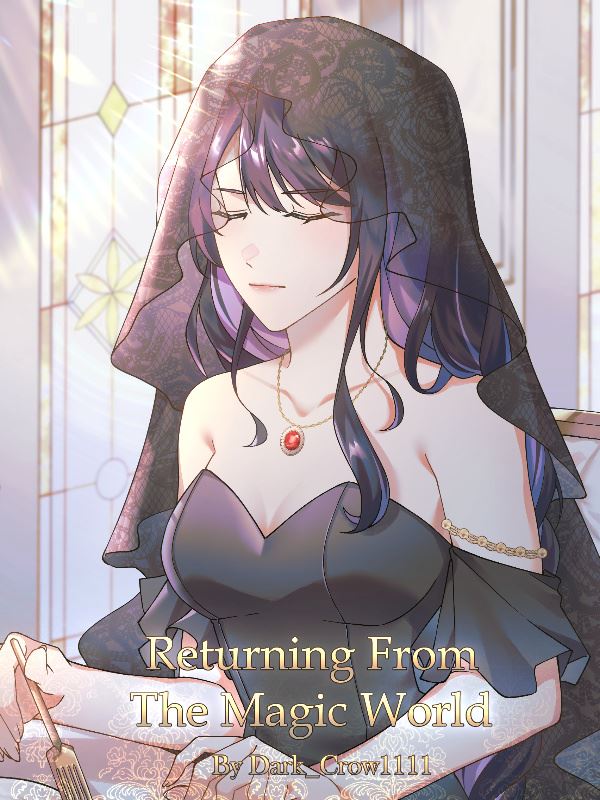
Yiqing, a woman from the modern era, finds herself reborn as an infant in the Qing Dynasty during the reign of the Kangxi Emperor. The imperial household has suffered the tragic loss of multiple children, leaving the Emperor and Empress Hesheli without an heir to carry on the lineage. Desperate to secure the future of the dynasty and quell rumors regarding the Empress’s virtue, the Grand Empress Dowager consults a spiritual master who identifies a newborn daughter of Prince Gong as possessing an exceptionally auspicious destiny. Consequently, the infant Yiqing is formally adopted into the imperial family, becoming the Emperor’s daughter and the Empress’s charge.
Upon entering the Palace of Earthly Tranquility, Yiqing struggles to adapt to her new surroundings. She is initially unable to speak due to her young age and the language barrier, though she gradually learns to understand the Manchu and Chinese dialects spoken by her caretakers. Empress Hesheli, who had previously lost her own son, develops a deep maternal bond with Yiqing, treating her with great tenderness and care. The Emperor, Kangxi, also grows fond of the child, despite his initial awkwardness in holding and comforting her. He visits frequently, finding solace in her presence amidst the political pressures he faces from powerful regional warlords.
As Yiqing grows, she is moved to Cining Palace to be raised by the Grand Empress Dowager and the Empress Dowager, alongside her half-brother Baoqing, the son of Concubine Nara. The decision to raise both children in the same palace is made to ensure their safety and well-being, given the high mortality rate of imperial infants. Yiqing thrives in this environment, displaying remarkable intelligence and curiosity. She learns to crawl and eventually speaks her first words, calling out to her grandmother before the Emperor, which causes him some amusement and mild disappointment.
The narrative explores the delicate dynamics of the imperial harem and the political maneuvering surrounding the succession. Concubine Nara, fearing that her unborn child will be sent away to be raised by officials outside the palace, seeks the Empress’s intervention. Empress Hesheli, though hesitant to interfere in imperial decisions, guides Concubine Nara to appeal directly to the Grand Empress Dowager. This leads to a resolution where both Yiqing and Baoqing are allowed to remain in the palace until their first birthdays, after which they will return to their respective mothers.
Yiqing’s presence in the palace seems to bring a sense of hope and good fortune. Her interactions with family members highlight the emotional complexities of royal life, where personal affection often conflicts with duty and tradition. The Emperor’s relationship with Yiqing evolves as he spends more time with her, attempting to teach her to call him Father. Despite her initial reluctance, she gradually becomes more comfortable with him, though she remains particularly attached to the Empress Dowager who raised her.
The story also touches upon the broader political context of the Kangxi era, including the threat posed by the Feudatory States in the south. The Emperor’s personal struggles with governance are juxtaposed with his growing affection for his adopted daughter, illustrating the human side of a ruler burdened by the responsibilities of the throne. Yiqing’s journey from a vulnerable infant to a cherished member of the imperial family sets the stage for her future role in the complex world of Qing court politics.
As Yiqing approaches her first birthday, the bonds she has formed with her family members are tested by the impending separation. The Empress Hesheli is reluctant to part with the child she has come to love, while the Empress Dowager has grown deeply attached to Yiqing as well. The narrative captures the emotional weight of these transitions, emphasizing the love and care that define Yiqing’s early years in the palace. Her unique destiny, marked by both her modern soul and her royal status, positions her as a pivotal figure in the unfolding history of the Qing Dynasty.
| Date | Group | Release |
|---|---|---|
| 2026-08-11 | shanghai fantasy | c35 |
| 2026-08-11 | shanghai fantasy | c34 |
| 2026-08-11 | shanghai fantasy | c33 |
| 2026-08-11 | shanghai fantasy | c32 |
| 2026-08-11 | shanghai fantasy | c31 |
| 2026-08-11 | shanghai fantasy | c30 |
| 2026-08-11 | shanghai fantasy | c29 |
| 2026-08-11 | shanghai fantasy | c28 |
| 2026-08-11 | shanghai fantasy | c27 |
| 2026-08-11 | shanghai fantasy | c26 |
| 2026-08-11 | shanghai fantasy | c25 |
| 2026-08-11 | shanghai fantasy | c24 |


![How Did I Become Emperor Kangxi’s Adopted Daughter? [Qing Dynasty Time Travel]](https://cdn.novel-list.com/d/icon/397206s-200x300.jpg)