Connor is a timid physician who has retreated to a remote rural village, seeking refuge from the complexities of urban medical practice. His quiet existence is shattered on a stormy night when his sister Rosemary drags him to treat a gunshot victim—a woman whose identity is obscured by blood. The man accompanying the patient is Owen m’Tetias, the young Duke of Tetias, who appears as a desperate, half-mad figure rather than the aristocrat known to the public. Connor successfully removes the bullet from the woman’s neck, saving her life, though her prognosis remains uncertain due to severe blood loss. Following the surgery, Rosemary recognizes Owen from newspaper portraits and realizes the gravity of their presence, sparking a chain of events that links Connor’s secluded world to the high-stakes politics of the nobility.
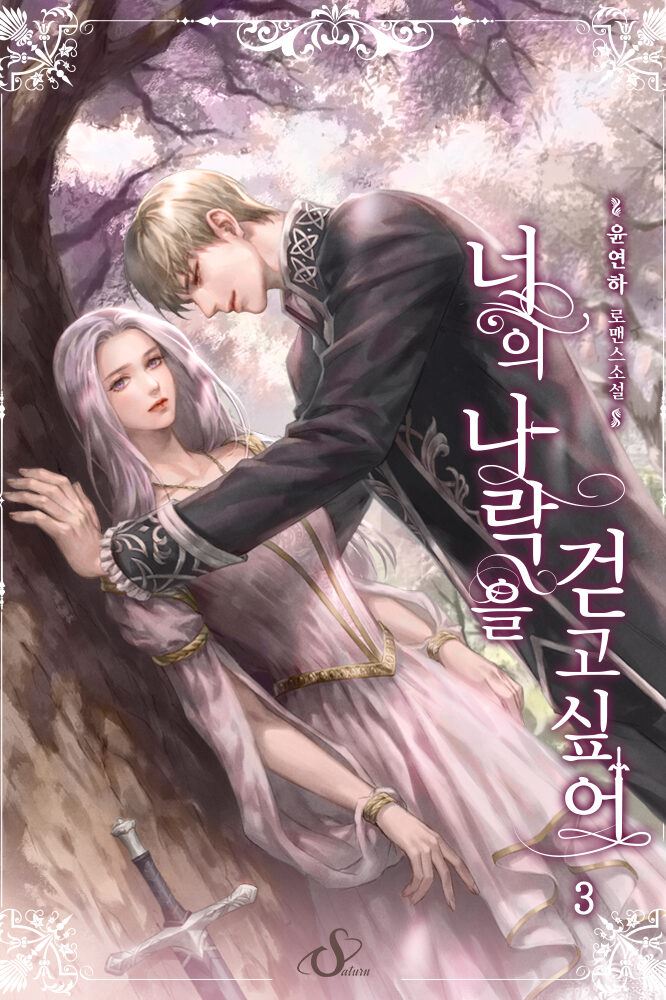
The narrative shifts to reveal the backstory connecting Owen to Lea Fell, a factory worker in the industrial city of Endelden. Two days prior, news of the old Duke’s death had circulated, introducing the public to the young, handsome heir. Lea, however, maintains a stoic indifference to the scandal surrounding Owen, hiding a painful secret from her past. Owen had previously visited Lea’s modest room to propose a transactional marriage. He reveals that her father, Zebek Fell, is the man who kidnapped him as a child. Owen requires Lea to act as bait to lure her father out of hiding, using the publicity of a duke marrying a commoner to draw Zebek out. Lea agrees, driven by a deep-seated guilt over the kidnapping incident, and accompanies Owen to the opulent Tetias ducal residence.
Flashbacks detailed the traumatic events of the kidnapping. Ten-year-old Lea was forced by her abusive, indebted father to guard the bound young Owen in their squalid home. When Owen attempted to escape, Zebek recaptured him and violently beat both children. Despite her own suffering, Lea tended to Owen’s wounds with precious ointment, marking the beginning of a complex, unresolved bond between them. The kidnapping ultimately served only to secure a meager ransom that paid for the funeral of Lea’s deceased brother, Ben. Years later, the psychological scars of that event and the ensuing guilt define Lea’s submissive demeanor and her willingness to sacrifice her freedom to repay what she perceives as a moral debt.
The central conflict emerges from the power imbalance between Owen and Lea. Owen harbors intense hatred for Lea’s father, who corrupted his childhood and subjected him to physical abuse. Yet, his feelings toward Lea are a volatile mix of resentment, attraction, and a desire to control her as a tool for vengeance. Lea, terrified of her past returning to haunt her, submits to Owen’s authority, entering a marriage devoid of affection but fraught with political danger. The scandal of the union threatens to expose the family’s secrets and destabilize the noble society Owen seeks to dominate.
As the story progresses, the wounded woman in Connor’s clinic and the tangled history between Owen and Lea intersect. The narrative explores themes of class disparity, the lingering trauma of childhood abuse, and the corrosive nature of revenge. Connor’s role as a neutral medical observer places him at the center of this storm, bridging the gap between the hidden truths of the aristocracy and the silent suffering of the lower classes. The resolution hinges on whether Lea can break free from her self-imposed penance and whether Owen can reconcile his desire for retribution with the unexpected emotional complexity his marriage brings.
| Date | Group | Release |
|---|---|---|
| 2026-10-03 | dusk blossoms | c30 |
| 2026-10-03 | dusk blossoms | c29 |
| 2026-10-03 | dusk blossoms | c28 |
| 2026-10-03 | dusk blossoms | c27 |
| 2026-10-03 | dusk blossoms | c26 |
| 2026-10-03 | dusk blossoms | c25 |
| 2026-10-03 | dusk blossoms | c24 |
| 2026-10-03 | dusk blossoms | c23 |
| 2026-10-03 | dusk blossoms | c22 |
| 2026-10-03 | dusk blossoms | c21 |
| 2026-10-03 | dusk blossoms | c20 |
| 2026-10-03 | dusk blossoms | c19 |