Guide to Raising a Support at Home (E-sports) - Reviews

Guide to Raising a Support at Home (E-sports)
+Add to Custom List
Sort
Add review
... Read More
I need to talk about the sheer amount of romantic tension packed into what is technically just a video game practice session. Like... He Ci deliberately lets Yu Xinche steal the buff, winks at him in-game, and says 'Don't be angry' like he's bribing a toddler. Meanwhile Yu Xinche is sitting there all smug like 'I got it by my own ability' while his entire demeanor says 'I am the happiest person alive right now.' But the thing that actually got me was the whole 'baby' situation. Every time someone in the chat calls Yu Xinche baby, He Ci has this look on his face—not jealous exactly, but... possessive? Amused? He Ci is fully aware that other people are using that word for his partner and he does nothing about it except lean into the frame and say 'God Che doesn't like you calling him that' in the most ironic tone possible. The fact that Yu Xinche covers his face when He Ci deliberately feeds the chat this material—THIS is the CP content I signed up for. They're not even trying to hide it anymore.
... Read More
The hate comments coming in during the last section of this chapter hit different because we've just spent twenty minutes watching these two bicker like an old married couple and now the audience decides to weaponize everything. "Take a look at the concubine chosen by He Ci." Concubine. They called him a concubine. In front of the cameras. During a team live stream. And the worst part is Yu Xinche can see every single word. He knows about the public opinion against him — we know he's hiding something identity-wise — but reading those actual vicious comments still makes him angry. Not just for himself though. The text specifically says: "Especially those who cursed He Ci, it felt like these people were all lying with their eyes open, just for the sake of slandering him." He's protecting He Ci from people who are attacking both of them. And his solution? Tell them he's PURE. Reveal his secret identity to shut them up. But he doesn't. He sits there and takes it. The stakes here are escalating on two levels simultaneously. On the surface, it's a rookie player surviving his first team stream — could he crack under pressure, would he say something wrong, would the team dynamics hold? But underneath that, there's this whole hidden identity subplot that's been building. Yu Xinche isn't just a new marksman. He's someone with a past, with a reputation, with reasons to stay hidden. And every hate comment about He Ci choosing him as support feels like it could force his hand. What I love is how the author balances the lighthearted content — rabbit ears, silly questions, playful bickering — with this underlying tension that never goes away. One minute they're laughing at a broken ear sound effect and the next someone's calling Yu Xinche a concubine and the whole atmosphere shifts. The author doesn't need dramatic music or internal monologues to tell us the mood changed. One comment section is enough.
... Read More
There's a theme running through this entire passage that I can't stop thinking about: identity as performance. Everyone in this scene is wearing a mask, literally or metaphorically. He Ci wears a physical face mask when he enters the gaming room — the text mentions it specifically: "picking up the mobile phone mask on the table." But he's also wearing several metaphorical ones. To his teammates, he's the kind, joking prodigy. To Yu Xinche (in the game), he was just a random teammate who happened to ask about his professional potential. To himself, apparently, none of these are the full picture. Yu Xinche is equally layered. In the game, he was "Mist and Flower Girl" — a persona that allowed He Ci to ask him about his future without the complications of knowing his real name. IRL, he's Yu Xinche, college student, who happens to sit next to his gaming idol. The account barrier protected both of them from the reality of the situation. Or so he thought — until he recognized the game ID. The autograph is a powerful symbol here. It's a tangible artifact of He Ci's public persona — something he gives to fans, a transaction of celebrity and admiration. But when he hands it to Yu Xinche while secretly knowing who he is, it becomes something else entirely. It's a bridge between two identities, a physical object that proves these two worlds have collided. What does it mean that the autograph goes to the one person who blocked him? That's rich. Then there's the blocking itself. Yu Xinche blocked He Ci's account. He Ci, upon realizing who he was dealing with, didn't unblock or retaliate. Instead, he continued engaging — giving gifts (the blue buff), asking about Yu Xinche's future, staying for dinner. This isn't revenge. It's pursuit disguised as coincidence. The repeated motif of visibility and invisibility is striking. Yu Xinche is invisible to He Ci as "Mist and Flower Girl." He Ci is invisible to Yu Xinche as the scammer. Both are visible to each other in ways they don't yet understand. The teammates can see He Ci's change in behavior but misinterpret its cause. Yu Xinche sees He Ci's kindness but attributes it to randomness rather than design. The question the text keeps asking, without ever stating it directly: Who are we when no one knows our real name? And what happens when the masks come off?
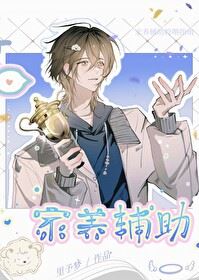
... Read More
Okay so let me just... HE CI. He Ci actually said 'You just said you like good-looking heroes. I'm pretty good-looking among active ADs.' TO HIS FACE during a team recruitment broadcast. I am dead. Absolutely deceased. The way Yu Xinche reacted was everything though — he didn't blush anymore but he 'still touched his cheek subconsciously to check.' That little detail destroyed me. It's like his body still remembers being flustered even though his mind has moved on. And then later, when He Ci sends him three private messages at night: 'Welcome to TZ,' 'Happy to be playing bottom lane with you,' 'The moon is quite round today. I hope your career path will be as bright and without regrets.' Three messages. Three. Like he couldn't just send one normal welcome and had to stack them, each one slightly more vulnerable than the last. The last one mirrors exactly what Yu Xinche was already thinking when he posted the moon photo. That telepathic sync — they both wished for the same thing about their careers without telling each other — that's the stuff that gets me every time. Also the danmu going absolutely feral with '【Is this something that He Ci would say???】【Has he been possessed?】' because apparently even the internet recognized that this version of He Ci is a first. The bottom lane couple energy is OFF THE CHARTS and I am here for it.
... Read More
So here's the thing I keep coming back to about these chapters—it's brilliant how the author uses these quiet, almost mundane interludes to do the heavy lifting after a high-stakes tournament arc. Let me explain. You've just watched TZ crush another match, BURN gets MVP, they're sitting at 11-0 like some kind of force of nature, and then... bam, they get a day off and what do we get? A scholarship signing, some chestnuts, a bad movie screening. On paper this is nothing. In practice it's everything. The structure here is doing something really clever. It mirrors what competitive athletes actually experience—you don't live in the glory moments, you live in the spaces between them. And by placing Yu Xinche's most vulnerable revelation (his real interests, his strained relationship with his parents) right after a scene where he's performing at peak competence on the battlefield, the author is saying something about the whole person behind the player. Not just what he can do, but who he actually is. The subplot threads are also worth noting. There's the family tension hinted at through the counselor's comment about Yu Xinche's parents calling the school—that single line carries so much weight. It reframes everything we've seen about his dedication. Is it pure passion? Partly. But there's also this pressure cooker at home, and the scholarship代表着 this safety net his parents want for him. Meanwhile He Ci is the wildcard figure who seems to understand this without being told, which sets up future conflict beautifully. What happens when Yu Xinche has to choose between what he's good at and what he actually wants? That tension is simmering underneath every conversation in these pages.
... Read More
I need to talk about how this scene made me absolutely melt. It starts with what should be a casual moment - He Ci bringing Yu Xinche a handmade rabbit-shaped shortbread from his mom - but somehow becomes one of the most intimate scenes I have ever read in this genre. The way He Ci notices Yu Xinche falling asleep in the car, then quietly puts his coat over him while he sleeps? My heart couldn't handle it. But what really got me was the confession scene. When He Ci admits he lied about fighting with his brother over property, and Yu Xinche's reaction - actually hitting him on the shoulder while cursing because he was worried - that is peak emotional vulnerability for both of them. "I was afraid of touching your sore spot and didn't dare to ask." What a devastating line. He Ci had been protecting Yu Xinche from his own trauma, but in doing so, he made Yu Xinche feel shut out. And Yu Xinche's response wasn't anger, it was hurt that He Ci didn't trust him enough to share the truth. Then the fever subplot hits differently because we already know these two have built this delicate trust. He Ci calling the doctor, standing there while Yu Xinche sits beside him, asking permission before leaving the room, telling him not to lock the door - every single gesture is domestic intimacy in its purest form. The power dynamic shifts here too. Usually He Ci is the capable one, but now Yu Xinche is sick and vulnerable, and He Ci is completely devoted to caring for him. That exchange where Yu Xinche pats He Ci's hand twice because he doesn't want medicine, and He Ci just... stays quiet and agrees? That silence spoke volumes. And Xu Le offering to deliver the thermometer himself instead of letting He Ci do it - the implication that someone else might enter Yu Xinche's private space when He Ci has been treated like such special access throughout this whole thing? That little jealousy beat hit harder than any confrontation could have.
... Read More
Okay I need to talk about the good night scene because it was so small and yet it completely wrecked me. They move into the new room, He Ci has gone back to get his stuff, comes back leaning against the bed. Yu Xinche says "Good night, sweet dreams" and that was it. But the way the author built up to it? The whole evening sequence felt so tender and domestic. They play games together every night now — that became a ritual. He Ci teaching him combos, showing him easter eggs, the whole thing shifting from 8pm to midnight because apparently gaming with He Ci is just that good. And then ending the day with those two simple words in a room that's supposed to be new and unfamiliar but somehow already feels like theirs? No one else was around. Just them. And He Ci, who has never let anyone get this close, actually had a dream that night. Not a nightmare — well, part nightmare, part redemption. That line from the dream where Yu Xinche is standing there with his hands behind his back smiling, those pure bright eyes being the clearest thing in the entire hazy dream scene? I genuinely got chills. It's like the universe was saying everything Zhu Siwan told him was wrong.
... Read More
I need to talk about the dressing room scene because WOW. The author didn't just describe a room—they built an entire sensory experience. Let me break it down. First, the makeup chair. You can *feel* Yu Xinche's discomfort. 'Yu Xinche stared at his overly delicate self in the mirror, feeling uncomfortable.' That's not just physical discomfort; that's the tension between who he is (a player who values function over form) and what the industry expects (a polished product). The makeup artist's response—'When a chef encounters good ingredients, he will definitely work harder to make the dish delicious'—is genius. It's professional flattery wrapped in metaphor, and it subtly reinforces how the industry views these kids as raw material to be refined. Then there's the noise. AD reading forum posts aloud. The jungler and top lane bursting in with 'Oh shit, guess who I saw.' The makeup artist sister trying to maintain order while being pulled into conversations about celebrity sightings. It's chaotic, but it's the *right* kind of chaotic. This isn't a sterile pro arena; it's a backstage space where athletes become humans for five minutes before the cameras roll. And the live draft setup? The exclusive broadcast channel where other clubs send barrages like '【1】' and '【.】' and '【Fart if you want to say it】'? That's worldbuilding at its finest. You don't need exposition dumps to understand the ecosystem—you see it through the spam. The rivalries, the humor, the sheer *volume* of opinions flooding in. It's a digital colosseum. The contrast between the intimate dressing room and the sprawling public draft is deliberate. Inside, these guys are just people getting their faces painted. Outside, they're commodities being bid on. The author uses spatial shifts to reinforce thematic tension: private dignity vs. public valuation. Also, the detail about 32 not riding in the same car as the jungler? That's not just plot; it's environmental storytelling. The physical separation mirrors the emotional one. You can *see* the rift in the logistics. And don't get me started on the lighting. 'The camera and lighting will eat up your makeup.' That line does triple duty: it's reassurance, it's technical detail, and it's a metaphor for how the industry consumes authenticity. The lights don't reveal; they consume. They turn real people into images. This chapter made me feel like I was sitting in that chair next to Yu Xinche, watching the world outside the door, knowing that in twenty minutes, none of this intimacy will matter. Only the performance will.
... Read More
Let me just say this about the hero designs because I CANNOT stop thinking about them. The authors gave us FULL visual breakdowns of both Tide and Rain, and it's not just game description filler—it's worldbuilding that tells us who these people ARE. Tide has two forms. Low tide: handsome guy with short straight bright blue hair, calm, controlled, knockback ability that pushes enemies away. High tide: long dark blue curly hair, mad and aggressive, summoning waves that roll toward himself. This is a support hero with ZERO damage output. Pure control. Pure protection. Which is exactly what Yu Xinche is playing—not just in-game but narratively. He is the calm surface. He is the one who pushes threats away from his team. Then Rain. Silver curly hair. Cool and sassy. Three forms: light rain, moderate rain, heavy rain. Full damage. Zero survivability. She literally has no escape skills. Her entire existence depends on someone else creating space for her. He Ci chose Rain knowing FULLY that he would need Yu Xinche to survive. That's not a gameplay decision. That's a narrative one. The system announcement when He Ci equips the rune is pure cinematic gold: 'Heavy rain, the canyon rains non-stop! Professional player TZ.FIX—Ultimate Output Rune has been equipped, the back is handed over to teammates, and the pentakill is in my hands.' This message appears on the PUBLIC SCREEN. Every teammate sees it. It's He Ci claiming glory while explicitly crediting his team. The visual of that text floating in the game interface, visible to everyone, while Yu Xinche's body goes rigid—this is filmmaking in prose form. The jungle blue zone scene, the tower defense sequences, the fountain where Qi Han is 'so envious he can't breathe'—every location has weight. The authors aren't just describing a game; they're building a digital arena that feels tangibly real. I could picture the lighting, the camera angles, the way skills flash across the screen. This world breathes.
... Read More
'Mao Mao's curse is so dirty.' I literally fell out of my chair when He Ci thought this. The fact that he's sitting there watching Yu Xinche's表情 like it's a YouTube video of an angry kitten is such a specific, unhinged detail that it completely redefined the entire dynamic for me. This isn't just bullying. This isn't even just antagonism. He Ci has genuinely filed Yu Xinche under 'amusing creature to observe.' And that 'oh' Yu Xinche says? I need everyone to understand how loaded that single syllable is. It's long. It's reluctant. It carries sarcasm like a physical weight. He Ci pretends not to hear it. He Ci literally changes his rune choice RIGHT IN FRONT OF Yu Xinche as a power move—switching from the aggressive output build to a defensive healing one—just to watch Yu Xinche's face do things. This is interpersonal warfare at its most petty and most intimate simultaneously. But then the game starts and everything shifts. He Ci never mocks him. Not once. He follows Yu Xinche's lead. He signals to his teammate. He lets Yu Xinche have the blue buff—a gesture that inMOBA culture is basically equivalent to proposing marriage in terms of trust signals. In ranked matches, supports rarely get blue because it's seen as 'not their role.' He Ci giving it to Yu Xinche is a visible, undeniable act of validation. And Yu Xinche's reaction? He blushes. He stammers out a thank-you that sounds like it came from a completely different personality type than the one who was being sarcastic three seconds ago. The boy is soft. He's so soft and he's trying SO HARD to hide it behind gamer bravado and fake smiles. The 'couple' comment from the enemy is what really undid me though. Not because it's romantic in a traditional sense—but because He Ci's response was so fast, so automatic, almost protective. 'Not a couple.' Two words. Then immediately pivoting to defend Yu Xinche's right to the buff. It's like his mouth moved before his brain could filter it. You don't react that quickly to something unless it's already wired into your instinct.
... Read More
The name itself. PURE. In Chinese it literally means pure and clear — 纯粹. And the whole identity reveal hinges on fans connecting the dots: "PURE, doesn't it mean pure and clear? Isn't this clear enough?!" But Yu Xinche isn't pure or clear at all. He's a double agent in his own team. He's been hiding his identity, manipulating how people perceive him, carefully controlling what information flows to whom. The name PURE was always irony — or maybe it was hope. Maybe he chose it because he wanted to be seen as something he couldn't afford to be. The white T-shirt and jeans moment from the vlog is significant too. Fans noticed He Ci rarely wears that style — gradient blue hair is his thing. But Yu Xinche dyed his hair back to black, and suddenly they look like any normal couple on a campus track. The ordinary clothes represent the ordinary life neither of them can have. There's also the disappearing account. PURE fell out of the top 200 because no one has played with him since the training camp. The account that was once a vibrant, active presence went dark — mirrored exactly how Yu Xinche's streamer identity has gone dormant in the public eye while his player identity explodes. The duality theme isn't new to the genre, but the author handles it with genuine weight. It's not a gimmick. It's the core wound: who are you when everyone loves the mask but not the face?
... Read More
Everyone keeps talking about the in-game conflicts — the bot lane deaths, the mid-to-late team fight losses, the coach's critique — but the ACTUAL stakes in this chapter aren't digital. They're human. They're about whether Yu Xinche will be accepted by a team that already has its hierarchy firmly established. Let me break this down because the author layers it so carefully. The opening match isn't just a training game — it's Yu Xinche's first real test in front of YC, and he gets teased by Zhou Fang ("No couple skin?") which immediately signals: you are an outsider here, and we see you as a joke. He Ci's period response — that single punctuation mark — is either politeness or pain, depending on how you read it. I read it as someone who's been here before and knows that arguing over skins is pointless. Then comes the review meeting. This is where the chapter gets suffocating. Yu Xinche's performance was mediocre. Not terrible — just average. And the coach points out "minor operational flaws." The word minor is doing heavy lifting here. These aren't career-ending mistakes; they're the kind of things that make teammates hesitate when it's match point and you're the one who needs to make the play. "They don't know you well enough to trust you with the outcome of the game." That's the thesis statement of Yu Xinche's entire arc. He's not struggling because he's bad. He's struggling because trust is earned through familiarity, and he hasn't had time to build that with people who already have established chemistry. The stakes become clear in the evening practice. He Ci offering to be his private coach — that's not just gameplay help. That's He Ci investing his own capital in Yu Xinche's acceptance. If Yu Xinche fails, He Ci's judgment looks bad too. They're bettors now, and the currency isn't money, it's reputation and belonging. But what really raises the stakes is the personal vulnerability that follows. When Yu Xinche shares his high school story — the rechargeable desk lamp, the secret late-night studying, the belief that freedom was just one exam away — he's not just bonding. He's showing He Ci the origin of his work ethic, the reason he pushes himself even when no one's watching. This is the backstory that makes his professional struggle feel personal. We're not just watching an e-sports player try to make a team — we're watching someone who spent years believing that effort equals reward, trying to learn that sometimes the system doesn't work the way you were taught.

Leave a comment

You must be logged in to leave comments. or
