Summary

... Read More

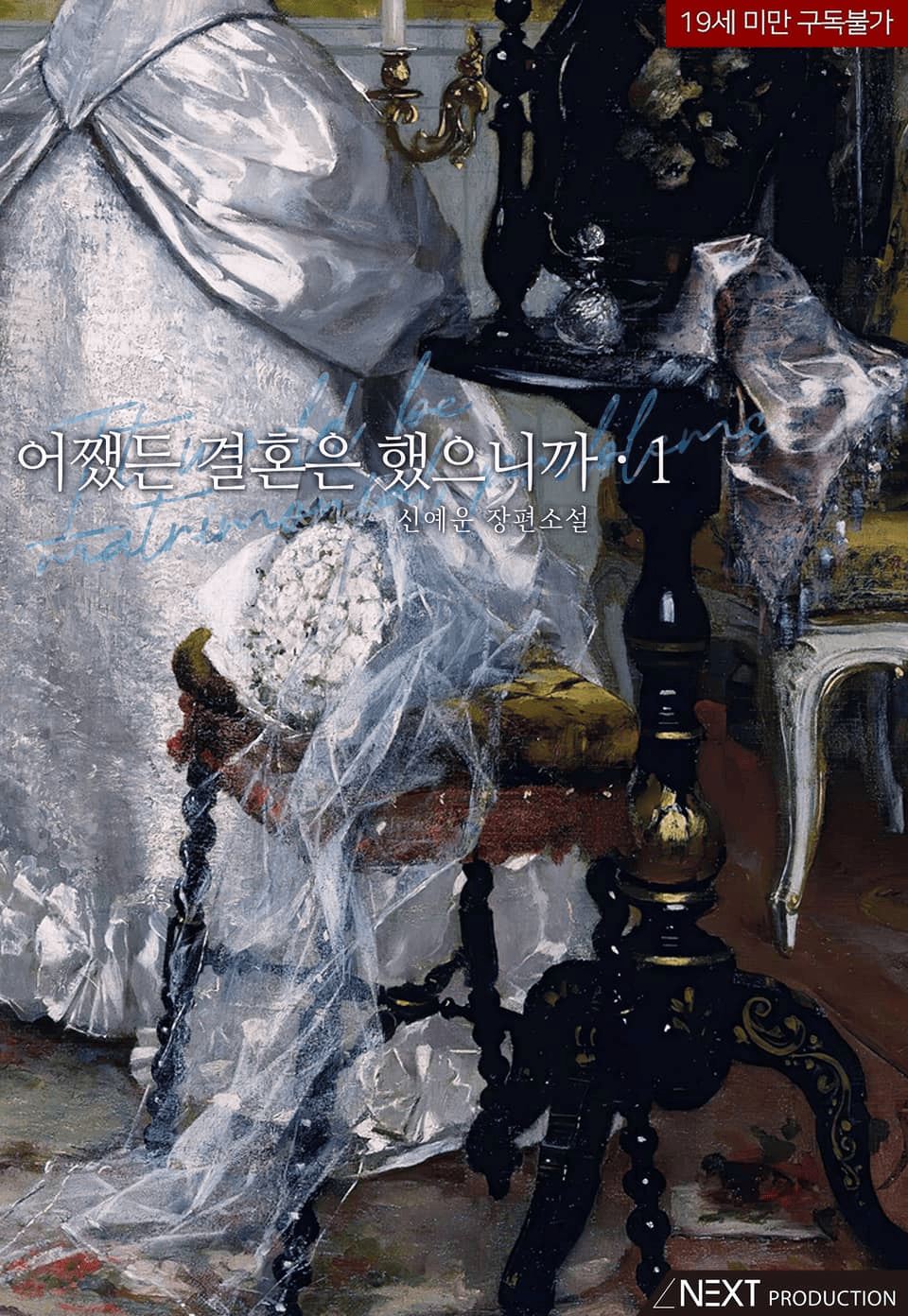
Woo Heewoon is a twenty-six-year-old university student burdened by massive debt, the death of his father, and his mother’s severe liver cancer. Having dropped out to support his family, he works multiple part-time tutoring jobs while surviving on meager meals. His life is marked by chronic anxiety and a deep fear of the loan sharks who harass him and his sick mother. His emotional state shifts when he encounters Seo Kangwoo, a junior in his department who appears poised, wealthy, and charming. Kangwoo’s enigmatic nature and polite greetings captivate Heewoon, whose timid and indecisive personality makes him admire Kangwoo from afar. What begins as simple observation quickly spirals into obsessive stalking. Heewoon follows Kangwoo everywhere, from campus to his luxurious home, rationalizing his intrusion as harmless admiration despite knowing it is wrong. The secret knowledge he gains about Kangwoo’s daily routines becomes a source of twisted comfort and excitement.

The trajectory of Heewoon’s obsession changes irrevocably on a random evening when he tracks Kangwoo’s car to a secluded factory on the outskirts of the city. Hiding behind crates, Heewoon witnesses Kangwoo interrogating a man who owes money. The situation escalates violently when Kangwoo breaks the man’s hand and then stabs him in the neck with a jackknife. Heewoon, paralyzed by terror, attempts to text the police but is discovered. Kangwoo drags him out of hiding, revealing that he has known about the stalking for weeks. Instead of killing Heewoon immediately, Kangwoo asserts dominance through physical violence, slapping and choking him until he complies with demands for silence. The power dynamic shifts abruptly from victim to captive, forcing Heewoon to confront the reality that the man he admired is a murderer.

Facing certain death, Heewoon’s survival instincts clash with his traumatic conditioning. Kangwoo discovers Heewoon’s attempt to call for help but finds only a spam message rather than a police dispatch. Mocking Heewoon’s incompetence, Kangwoo confiscates the phone and uses sexual violence as a tool of control. He forces Heewoon into sexual acts in the bloody factory, blending brutality with moments of deceptive tenderness. Afterward, Kangwoo threatens Heewoon’s family, specifically mentioning his brother in the Philippines and his bedridden mother, to ensure his silence. Heewoon returns home traumatized, hiding his injuries from his mother by claiming he was beaten by loan sharks. The psychological toll is immediate and severe, causing insomnia, nausea, and a constant state of hyper-vigilance.

Weeks later, Kangwoo re-enters Heewoon’s life not as a detached killer but as an invasive presence in his academic routine. He insists on eating lunch with Heewoon daily and joins a group project that includes Heewoon and a careless classmate. Kangwoo’s behavior is erratic, oscillating between affectionate gestures, such as saving his number with a nickname, and sudden violence, such as kicking Heewoon’s stomach or slapping him for minor infractions. Heewoon realizes he is trapped in a cycle of abuse where kindness is used to disarm him before punishment follows. Kangwoo invites Heewoon back to his house, where the threat of sexual violence hangs over every interaction. Heewoon attempts to delay and escape the encounters by showering excessively, but Kangwoo watches him through the bathroom door, eventually dragging him into another assault.

The core conflict centers on Heewoon’s impossible choice between escaping his abusive captor and protecting his vulnerable family from retribution. Kangwoo’s wealth and influence appear to shield him from legal consequences, while Heewoon’s poverty and lack of social support isolate him. The narrative follows Heewoon’s gradual erosion of autonomy as Kangwoo systematically dismantles his boundaries. Heewoon’s attempts to maintain a normal life through work and studies are constantly undermined by Kangwoo’s demands. The story establishes a grim trajectory where Heewoon is forced to navigate a labyrinth of fear, using submission as his only defense mechanism against a predator who enjoys watching him suffer.

Latest Release
DateGroupRelease
2026-09-26knoxt c81
2026-09-26knoxt c80
2026-09-26knoxt c79
2026-09-26knoxt c78
2026-09-26knoxt c77
2026-09-26knoxt c76
2026-09-26knoxt c75
2026-09-26knoxt c74
2026-09-26knoxt c73
2026-09-26knoxt c72
2026-09-26knoxt c71
2026-09-26knoxt c70

Community Reviews

Rating(3.9 / 5.0, 374votes)
5 stars
100(27%)
4 stars
140(37%)
3 stars
134(36%)
2 stars
0(0%)
1 stars
0(0%)

Popular reviews

... Read More
This is the chapter that completely flips the script. One moment you're sipping wine and eating gelato in Rome, and the next—nothing. The entire narrative arc built toward this moment of devastation. Remember back in Korea when Kangwoo surprised Heewoon with those couple rings and said "Don't take it off even when you wash"? I thought that was just his possessive nature showing. I didn't realize he was practically sealing their fate. The theft at Trevi Fountain isn't just a random inconvenience—it's the moment where everything they built starts crumbling. And Heewoon's reaction? "It's... nothing." What does that even mean? How do you tell someone the thing they wanted you to wear forever just vanished in a crowd? The plot twist lands because the author spent so much time making us believe in this perfect Italian holiday. From Sardinia's beach mornings to Rome's crowded squares, it all felt too good to be true. And then—gone. I'm still replaying that final line in my head. Kangwoo's about to find out. And Heewoon's heart is going to break all over again.
... Read More
There's something so cinematic about the atmosphere in these chapters. It's not heavy worldbuilding or elaborate descriptions — it's the small sensory details that stick with you. "Red leaves were falling everywhere. He intentionally stepped on the fallen leaves while heading to the library." This one sentence establishes season, mood, and Heewoon's internal state all at once. Stepping on fallen leaves deliberately — that's someone who has time to notice things, someone whose pace through the world has slowed down enough for him to play. Last year's Heewoon wouldn't have noticed the leaves at all. The library scene itself is wonderfully observed. The restroom break, the chocolate appearing on his desk, the arm touching that keeps happening. You can feel the growing discomfort, the subtle escalation from passive annoyance to actual violation when the person grabs his arm. And then the relief of turning around and seeing Kangwoo's half-hidden laugh. The tree table in front of the library where they eat — that warm meal box bottom, the thirteen compartments of food, the way Kangwoo watches Heewoon eat instead of eating himself. It's domestic in the best possible way. A picnic setup that costs almost nothing but communicates everything. "His hair was tangled because he ran there, revealing his white forehead." Kangwoo's gaze on this disheveled Heewoon afterward — "soft gaze" — is the kind of description that makes you pause and re-read. The visual of Heewoon, flustered and breathless, having just sprinted across campus, and Kangwoo looking at him like he's the most beautiful thing in the parking lot.
... Read More
Okay so I've been sitting with this image and I cannot get it out of my head: Kangwoo zipping up Heewoon's jacket. His hand doesn't leave after the zipper is done. He just stays there, on Heewoon's face, making him look at him, making him promise. This jacket is EVERYTHING. It's protection. It's care dressed up as control. Kangwoo could have just said 'wear your coat, it's cold outside' but instead he takes over the entire act—grabbing the jacket from the bedroom, zipping it himself, lingering with his hand on Heewoon's neck and face. It's caretaking disguised as dominance, which is honestly the most Kangwoo thing ever. He can't just say 'I worry about you' so he says 'you will call me' instead. And the brother's sudden return—symbolically, this is the past coming back to disrupt the fragile new equilibrium between these two. Heewoon's entire identity has been built around surviving his family, and now the brother (who presumably was part of whatever trauma shaped Heewoon) just materializes out of nowhere while Kangwoo is finally learning how to hold him gently. The timing is almost cruel. The sunlight scene also hits different on re-read. 'Morning sunlight scattered over the dry shoulders, turning them fair.' Light exposing vulnerability. Kangwoo watching Heewoon's chest rise and fall—alive, breathing, present—and choosing to stay instead of leaving. This is what the whole series has been building toward: not possession, but presence.
... Read More
I need to process what I just read and the pacing of this batch is responsible for most of my emotional damage. Chapter 174 starts mid-crisis. Heewoon is already hurt, already drunk, already in Kangwoo's care. No slow build, no setup—we're just thrust into the aftermath. This is a bold choice because it means the author trusts us to keep up, and honestly? It works. The opening line about disability and money sets the tone immediately: Heewoon's problems are practical, survival-level, and they compound fast. The structure moves from crisis → tenderness → hangover → morning intimacy. It's a deliberate spiral. We go from Kangwoo carrying a half-conscious Heewoon up the stairs, to them under the blanket together, to Heewoon waking up alone on the sofa, to Kangwoo finding him and guiding him back to the bedroom. Each transition feels inevitable, like gravity pulling Heewoon back toward Kangwoo whether he realizes it or not. The hangover scene is where the pacing slows down beautifully. Heewoon drinking water, fumbling with his phone, seeing Jihwan's text, collapsing back onto the sofa—this is quiet, almost mundane, and it gives the reader a breath. It also deepens our sympathy for him. He's not just injured; he's exhausted. He's trying to sleep and his body won't let him. That's the kind of detail that makes you care. Then Kangwoo appears and the pace picks back up instantly. The dialogue snaps, the physical closeness returns, and we're right back in that delicious tension. The chapter ending on an almost-undressing moment is a classic serial cliffhanger—but it's earned because the emotional groundwork has been laid so carefully. Four chapters. One injury, one revelation, one morning, one touch. And I've never felt more consumed by a story.
... Read More
Let's talk about structure because this chapter is a masterclass in emotional escalation and de-escalation. We open mid-intimacy—Kangwoo kissing fingertips, that whispered compliment—and within two paragraphs we've pivoted to Heewoon waking up on top of Kangwoo, disoriented, with a throbbing cheek and absolutely no idea what happened. The author doesn't spoon-feed exposition. We learn through Heewoon's confusion: the slap, the alcohol poured over his head, the wet sheets. Each revelation lands like a punch. The plot doesn't just move forward—it spirals. Drunken mistake → physical humiliation → verbal degradation → intimate care → emotional breakdown. Each beat raises the stakes, and then Kangwoo undercuts it all by becoming tender in the shower, which makes everything feel even MORE destabilizing than before. What's brilliant is that the central conflict isn't resolved. Kangwoo never says "I'm sorry I slapped you." Heewoon never says "I understand why you were angry." They end with Heewoon sobbing about his drinking and Kangwoo holding him while threatening to throw him outside. The conflict is still there, breathing down their necks, but it's been transfigured into something quieter and somehow heavier. The orange stains on the white bedsheet? That visual bookends the whole scene. Alcohol spilled, urine spilled, shame made visible. The author uses physical mess as emotional landscape and I am here for it.
... Read More
Let me just say this plot is layering SO many ticking clocks and I am here for it. First clock: the loan shark debt. 2 million won a month. The brother who ran away with 'tens of millions' and promised to return in three years. THREE YEARS. That's the deadline hanging over every single scene. The creditor even said 'I won't add more interest fees' like that's kindness—that's the hook that keeps Heewoon trapped. Second clock: Heewoon's academics. Fourth year approaching, TOEIC intensive course starting January 2nd, potentially preparing for TOEFL or OPIC by February. Every hour he spends at Kangwoo's is an hour away from this plan. And Kangwoo just dropped 'I'll be a bit busy once the semester ends. I might even work at my father's company for a while too.' Wait—working at his father's company? Was he working somewhere else before? What is this man's actual life? Third clock (the scariest one): Heewoon's own erosion. The plot isn't just external pressure—it's the slow, invisible plot of a person becoming someone they wouldn't recognize. The scholarship money keeps coming (another 5 million won deposited), which means Kangwoo controls the lifeline. Every payment delays the crisis but also deepens the dependency. The structure here is brilliant because all three clocks are running simultaneously and they INTERSECT. The brother returning in three years could solve the debt problem—or make everything infinitely worse if he comes back empty-handed. Kangwoo's busyness could mean less control... or more sophisticated control. And Heewoon's exam success means graduation approaches, which means he'll finally have to face the world without the scholarship crutch. The chocolate in the locker at the very end—random, small, human. After all this weight, a piece of chocolate. The plot knows when to breathe.
See all reviews

Custom lists

See all custom Lists