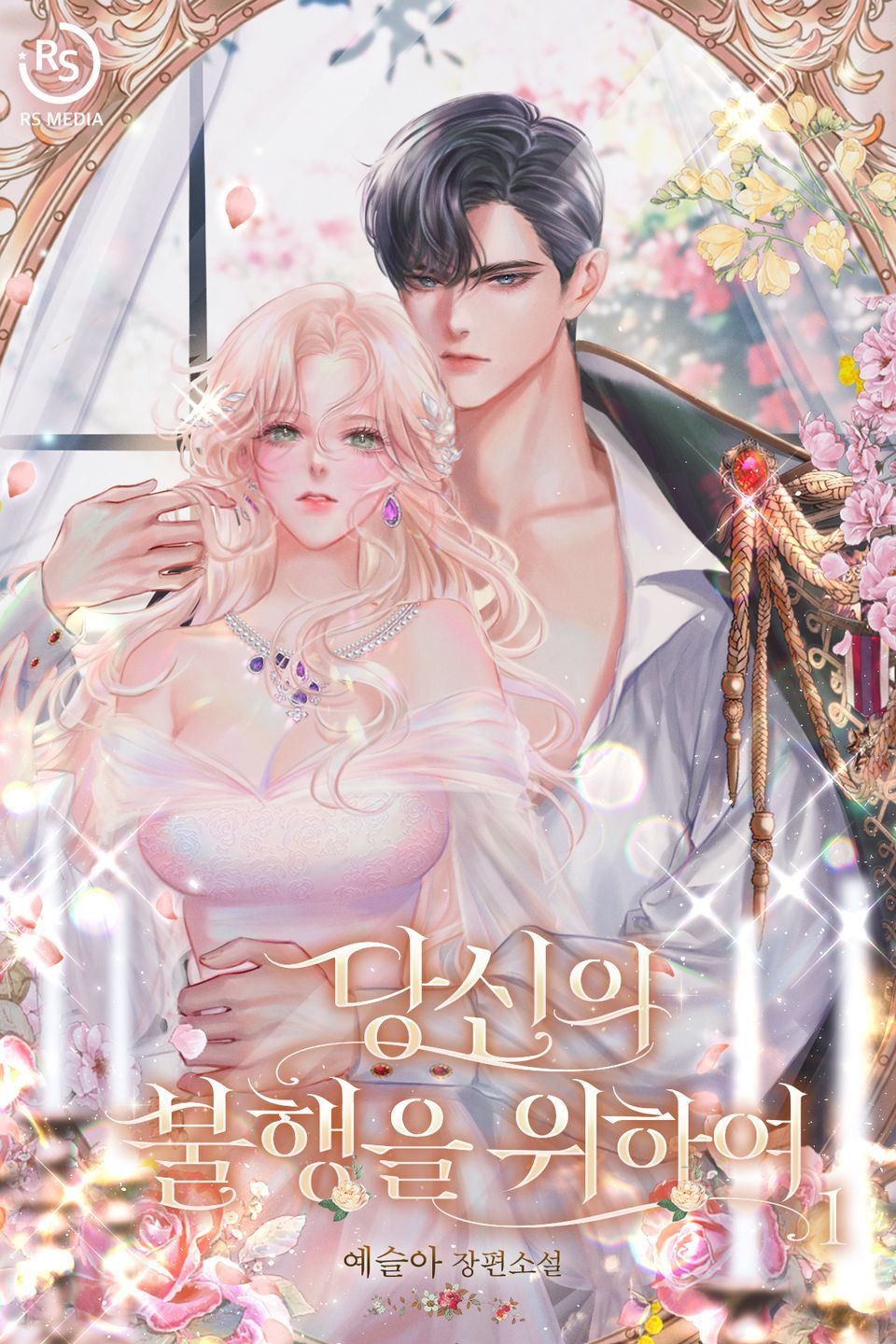
This book is SO LAYERED and I can't stop thinking about the symbols it's packing.
Let's start with the knitting. On the surface, it's just... she's knitting. A harmless hobby. But everything in this story is controlled by the Emperor, right? Her food, her medications, her environment. And the knitting needles? They were specifically sourced - wood that snaps easily, blunted tips. He literally cannot even let her have normal sewing tools. But she's good at it. Fast, according to the maids. She's creating something. Building something with her hands. And he can't even fully police that, because what is she making? We don't know. The secrecy of it is itself a kind of power - the one thing he hasn't controlled is what lives behind her silence.
The bare room is another one that haunted me. Not just the emptiness - but WHO decided it should be empty. NOT her. Him. "On the emperor's orders." Every vase, every picture frame, every candlestick removed. She lives in a prison cell disguised as a bedroom. And yet - when he's there, she says those rooms feel like home to HIM. This man who imprisoned her considers HIS crime scene to be the place that feels most like home. The symbolism is almost cruel.
And the rain! It starts raining right when things get tense, right before the bath scene. Water as cleansing but also as something that exposes - he pulls off his cloak and wraps it around her, getting himself soaked in the process. Later the bathroom is full of steam and heat, the water surging. Rain outside, steam inside. The boundary between containment and overflow is constantly being tested.
The hairpin is probably the sharpest symbol in the whole text. A gift FROM HIM, from when they were courting - back when she might have believed in love, back when she chose him. She pulls it out "like a blade from a sheath." The romantic object becomes a weapon. And when she whispers "I was just trying to let my hair down" - well. That's not just about her hairstyle, is it?
"Father and my eldest brother received the punishment their sins deserved. The living must live." This line is the thematic key to everything. She's trying to build a philosophy of survival. But can you survive when the living person you depend on is the one who took everything from you?