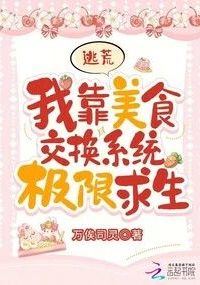
"Why not eat meat porridge?" - I have never felt more seen by a line of dialogue in my entire life, and it was directed at an AI.
Okay, let's talk about the voices in this book because they are wildly different and that's what makes reading it such a joy. Mei Qian's internal monologue is pure modern chaos. She thinks about Simmons mattresses, calls the system an idiot, names her roasted bird egg "Ancient Flavor Roasted Bird Egg: A hint of charcoal aroma, a taste that lingers forever!" - this woman has zero chill and I love her for it. Her voice is the bridge between the historical setting and the reader, and it never feels out of place because the transmigration premise justifies it.
But the real star of the dialogue is Xiao Mei, the system. The way it responds to Mei Qian's frustration with such earnest, almost childlike logic is comedy gold. When Mei Qian asks if it understands what she's doing, and it replies "Escaping for your life~" with that tilde like it's delivering a cheerful customer service response - I literally snorted. The system's voice is programmed to be helpful and positive, which creates hilarious friction against the grim reality of their situation.
The family dialogue is where the author shows real restraint and skill. Nobody in the Mei family speaks in long monologues or philosophical musings. Their conversations are practical, warm, and loaded with unspoken emotion. When Madam Jiang says "No need, it's fine for now" about the vegetable soup, she's not just talking about food - she's expressing sacrifice, love, and the crushing weight of their circumstances in three words. That's how you write dialogue that does double duty.
Grandma Mei barely speaks more than a few lines per chapter, and yet she has the most presence of any character. Her dialogue is sparse but weighted - "As far south as we can," "I wonder when we'll be able to return this time" - each line reveals her history, her leadership, and her grief without any exposition needed.
The narrative voice itself is also worth praising. It's close third person, staying firmly anchored in Mei Qian's perspective, but it has this wry, observational quality that gives the whole story its tone. The author isn't taking themselves too seriously - there are moments of genuine darkness (the village slaughter, the bitter soup) but they're balanced with humor and warmth. The voice never slips into melodrama, even when the stakes are life and death.
One thing I want to highlight: the dialogue between Mei Qian and her family feels authentic to a close-knit family under stress. They worry about each other, they share what little they have, they make practical decisions together. The cousin offering the bird egg, the mother protecting the grain supply, the grandmother leading the escape - every interaction reveals character without a single narrator comment.