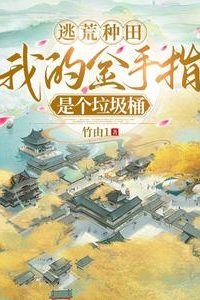
Fang Li, a modern woman and successful DIY influencer, dies after being struck by a falling object while throwing out garbage. She transmigrates into the body of a six-year-old girl with the same name in the Great Jin dynasty. The original host is part of a large extended family that has been forced to flee their home in Tianshan County due to a severe two-year drought and subsequent bandit invasions. Fang Li wakes up in a forest, emaciated and dehydrated, carried on the back of her father, Fang Shigu. She quickly realizes she is in a life-or-death survival situation, surrounded by starving relatives who have resorted to cannibalism and selling children for food.
The core conflict centers on Fang Li’s struggle to keep her immediate family—her parents, older brother Fang Cheng, and older sister Fang Tao—alive while evading the predatory Fang clan and other desperate refugees. The Fang clan, led by the cruel Old Fang, views the children as commodities. They had already sold three young girls from the family to buy food and attempted to sell Fang Li before she was injured. Fang Shigu, a literate and clever accountant who was mistreated by his own family, is the only reason the group has stayed together, but his loyalty is tested as his immediate family faces extermination.
A key turning point occurs when Fang Li discovers her "golden finger": a mystical space containing a trash can from her modern apartment. The trash can refreshes daily, providing leftover food, drinks, and other items from the modern world. Initially disappointed with such a mundane ability, Fang Li quickly adapts, using the food to sustain her small family. She fabricates a story about a divine golden bowl and a white-bearded old man to explain the sudden appearance of food, leveraging her mother’s superstition to keep the secret safe.
With the provision of food and water, Fang Shigu gains the strength to make a decisive break. He leads his nuclear family away from the main group under the cover of darkness, leaving the rest of the Fang clan to their fate. This separation marks a shift from passive survival to active evasion. The family adopts a nocturnal travel schedule to avoid both the Fang clan and other dangerous groups of refugees who prey on the weak.
As they journey toward Xingping County and eventually Chongzhou, Fang Li faces new challenges. She encounters a group of men who are clearly cannibals, forcing her family to hide in terror as they watch the strangers feast. This experience deepens the family’s trauma but also strengthens their resolve to survive. Fang Li continues to scavenge from her space, finding items like rice, milk, and water, which she carefully rations to maintain her family’s strength without revealing the source of their sustenance.
The story highlights the brutal reality of the era, where human life is cheap and moral boundaries have dissolved. Fang Li, despite her young body, maintains the mindset of an adult, making calculated decisions to protect her family. She recognizes the signs of impending plague from the rotting corpses along the road and begins to plan for future health risks, though resources are scarce. The narrative follows their slow but steady progress southward, driven by the hope of finding safety and a place to settle, with Fang Li dreaming of planting a pear tree in their new home.
| Date | Group | Release |
|---|---|---|
| 2026-08-11 | shanghai fantasy | c29 |
| 2026-08-11 | shanghai fantasy | c28 |
| 2026-08-11 | shanghai fantasy | c27 |
| 2026-08-11 | shanghai fantasy | c26 |
| 2026-08-11 | shanghai fantasy | c25 |
| 2026-08-11 | shanghai fantasy | c24 |
| 2026-08-11 | shanghai fantasy | c23 |
| 2026-08-11 | shanghai fantasy | c22 |
| 2026-08-11 | shanghai fantasy | c21 |
| 2026-08-11 | shanghai fantasy | c20 |
| 2026-08-11 | shanghai fantasy | c19 |
| 2026-08-11 | shanghai fantasy | c18 |