Fake Husband for Hire
+Add to Custom List
Genres:
Novel Info
  • Author:
  • Status:Ongoing

Summary

... Read More
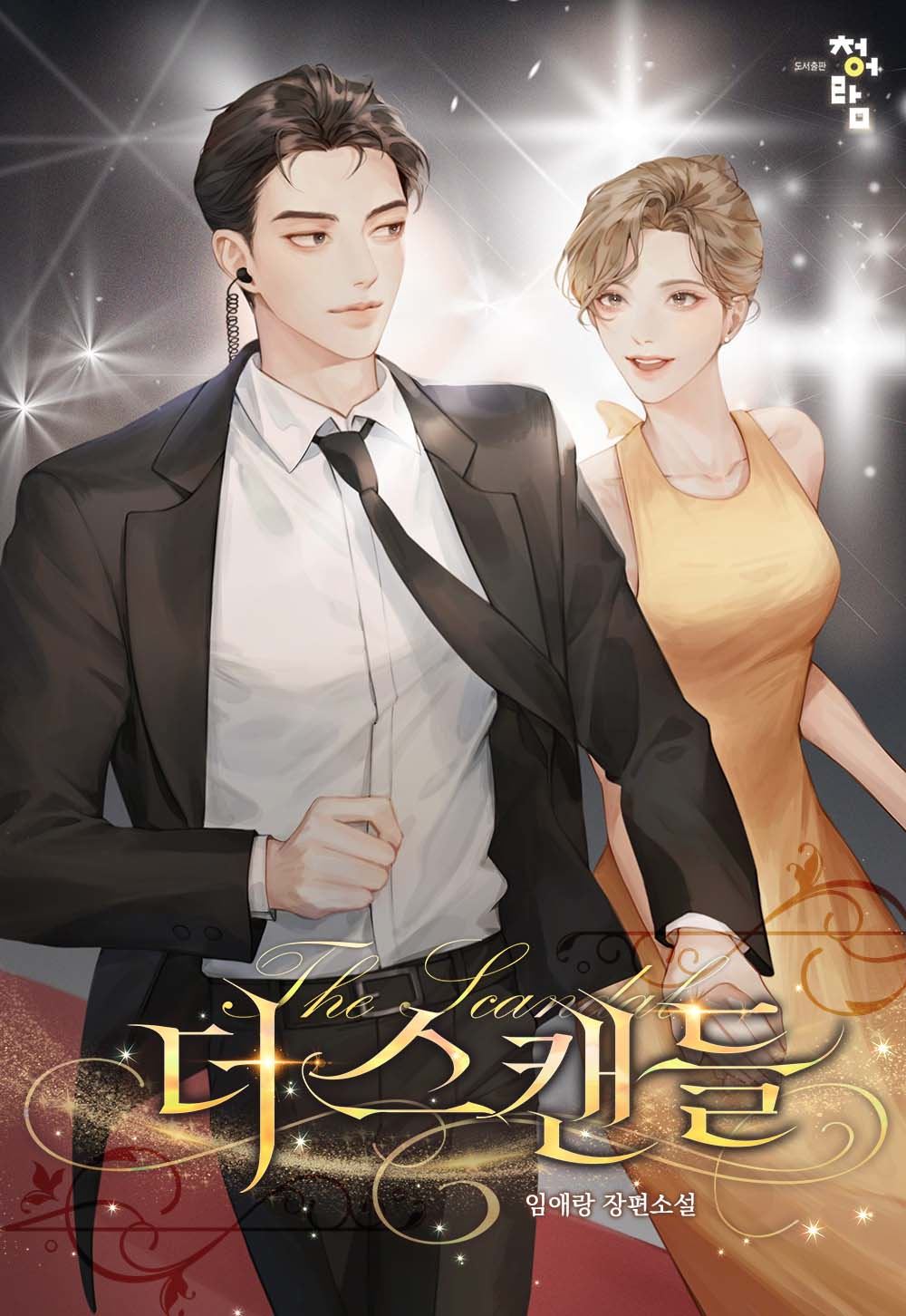
Yeo-jin is a thirty-three-year-old accountant who has spent nine years managing the daily operations of a small accounting firm after failing the CPA exams. She has been in a two-year relationship with Yoon-woo, a wealthy client from a construction family, despite his earlier boasts about not needing to work. Their relationship appears stable, though Yeo-jin had rejected his initial proposal half a year into dating and felt anxious about his lack of further advances. The story begins with Yeo-jin discovering that Yoon-woo intends to marry another woman from a suitable family, having lost interest in their relationship. He callously suggests she continue as his mistress while he marries someone else. The confrontation culminates in a parking lot where Yoon-woo encounters Yeo-jin with Han Ji-hoo, a young construction worker. Yoon-woo insults Ji-hoo and accuses Yeo-jin of betrayal before leaving, triggering an emotional breakdown in Yeo-jin.Han Ji-hoo is a former student whom Yeo-jin tutored ten years prior when his family was wealthy. After his father’s company went bankrupt, Ji-hoo’s mother died, and he dropped out of college to support his bedridden father and pay off debts. He now lives in a cramped goshiwon and works grueling shifts at construction sites. Their reunion is initially awkward due to the decade-long gap and Ji-hoo’s pride, but they gradually reconnect over shared meals and memories.Shortly after breaking up with Yoon-woo, Yeo-jin discovers she is pregnant. A medical confirmation reveals she is four weeks along. Fearing the judgment of her traditional family and potential retaliation from Yoon-woo’s powerful relatives, she decides to keep the child but requires a husband to maintain appearances. She approaches Ji-hoo with a proposal for a sham marriage. Ji-hoo agrees on the condition that he is not paid, but Yeo-jin insists on compensating him fairly. She also persuades him to move into her apartment to live together until the wedding, citing the need for realism in their pretense.Yeo-jin sells luxury gifts Yoon-woo gave her to fund the wedding. She and Ji-hoo proceed with wedding preparations, including buying new clothes and suits for him. The narrative details their daily interactions as they prepare for the ceremony, highlighting the growing intimacy and physical attraction between them. Yeo-jin reflects on her past struggles and her determination to raise her child with dignity, using Ji-hoo’s presence to shield herself from societal scrutiny and Yoon-woo’s interference.
Latest Release
DateGroupRelease
2026-10-03dusk blossoms c40
2026-10-03dusk blossoms c39
2026-10-03dusk blossoms c38
2026-10-03dusk blossoms c37
2026-10-03dusk blossoms c36
2026-10-03dusk blossoms c35
2026-10-03dusk blossoms c34
2026-10-03dusk blossoms c33
2026-10-03dusk blossoms c32
2026-10-03dusk blossoms c31
2026-10-03dusk blossoms c30
2026-10-03dusk blossoms c29

Community Reviews

Rating(0 / 5.0, 37votes)
5 stars
0(0%)
4 stars
0(0%)
3 stars
0(0%)
2 stars
0(0%)
1 stars
0(0%)

Popular reviews

... Read More
Can we just take a moment to appreciate how the author turns a 'visit the countryside' sequence into an absolute minefield? On the surface it's just a family gathering, right? Cute. Wholesome even. But every single interaction is loaded with unspoken stakes. Yeo-jin herself lays it out: Great-Uncle and his son are 'the most difficult hurdles.' They talk about 'noblemen's status in the 21st century.' Translation - if they find out this marriage is a sham, everything collapses. And the author doesn't even need dramatic music or cliffhangers to make you anxious. Just little things like Ji-hoo constantly checking the clock, or Yeo-jin 'growing anxious that he might make some mistake.' One wrong word, one slip, and the whole fragile facade crumbles. Meanwhile Mom is sitting right there, already unhappy about the match, already disappointed that her daughter 'got pregnant before marriage.' The pressure is layered - you've got thefake marriage secret, the scandal of the pregnancy, the judgmental relatives, AND Yeo-jin's own guilt all pressing down at once. The scene where Father tells Ji-hoo 'Treat her well. Don't take advantage of her because she's kind' hits different too, because we KNOW both of them are in on something the rest of the family isn't. That line sounds like genuine fatherly advice but it's dripping with dramatic irony. The stakes aren't just 'will they get caught' - they're 'what happens to all these people who already think they're being decent to each other when none of it is real?'
... Read More
The dialogue in this section is deceptively casual. On the surface it reads like everyday family chatter—Father signaling for beer with empty hands and a 'Kaah!' sound effect, Mom scolding him for being loud, Ji-hoo just smiling through it all. It's so natural you almost miss the subtext. But then the real conversations happen in whispers. The bedside scene between Ji-hoo and Yeo-jin is where the author really shines. Ji-hoo's questions come out in this careful, small voice—"Noona, can I ask you something?" He's always asking permission to exist in her space. And Yeo-jin's responses are clipped, efficient. She deflects. She changes the subject. She makes jokes. The funniest dialogue moment has to be when Yeo-jin says she'll "absolutely won't touch you. Let's just hold hands and sleep." Ji-hoo laughs out loud. Of course he laughs. This is the woman who brought a BODY PILLOW as a boundary device and expected him to believe her. The humor lands because it's TRUE to their dynamic—she creates impossible boundaries while acting completely oblivious to how ridiculous they are. And Father's beer scene? Three bottles exactly. He wants more, she predicted it, she bought three knowing he'd want more for Ji-hoo too. The family communicates through these tiny negotiations about beer and sleeping arrangements. Nobody says "we're a real family now" because they're all too busy pretending not to notice that they are.
... Read More
I have to talk about the atmosphere in this chapter because the sensory details are *chef's kiss*. First off - the trot music. For YEARS Yeo-jin has been forced to endure Grandmother blasting Korean trot at volume 'loud enough to shake the house' and now it's just this background texture of family life that somehow makes the setting feel so lived-in. When Yeo-jin mutes the TV and Grandmother immediately fires back 'Don't shout. Grandma's ears aren't deaf' - you can JUST see this stubborn old woman sitting on her bedding, expressionless face somehow communicating an entire personality in three lines. Then there's the house itself. The food smells hitting you when you walk in, the men drinking at the table, the women chatting on the other side - the spatial arrangement alone tells you everything about this family's dynamics without a single word of exposition. And that sleeping mat Mom laid out, with TWO pillows and TWO blankets at the head - that small detail of domestic preparation says so much about what the family expects versus what's actually going to happen. Even the snoring! Three generations of Dong-gi family snoring in the night and Yeo-jin finds it 'strangely comforting.' That's the kind of tiny atmospheric beat that turns a setting from backdrop into something that feels like home. The author doesn't need grand descriptions - just enough specific, grounded detail to make you smell the cooking, hear the music, feel the awkwardness of an unfamiliar relative's room.
... Read More
Okay so I need to talk about Ji-hoo because this man is somehow even better than I expected and it actually makes me kind of emotional. Everyone keeps treating him like he's just the 'fake husband' or the 'stand-in actor,' but honestly? The text keeps showing us he's the most genuine person in the whole story. Look at the dinner scene - he's terrified, right? His voice is trembling, he's sweating through the whole visit. But he doesn't bail. He plays along, he smiles, he drinks that whole bottle of makgeolli when the uncle won't stop interrogating him about clan history, and he even pitches in when Yeo-jin's brother makes that snarky comment about being 'seduced.' Han Ji-hoo, well done indeed. But the moment that completely wrecked me was at the end. Yeo-jin finds him asleep curled up next to her, having偷偷 taken the blanket and left her in the cold. He was so drunk he didn't even realize what he was doing, but his first instinct was still to cover her. That's not acting. That's just who he is. And Yeo-jin - she's wrestling with so much guilt here. She literally thinks to herself that she's 'deceiving them for her own comfort' and then she cries to her mom, saying 'I'm marrying him because he's Ji-hoo.' Not because she has to. Not because of the pregnancy. Because he's KIND. She acknowledges that without him she probably would've given up on the whole thing halfway through. That self-awareness about her own messiness is what makes her so readable. Their dynamic isn't some generic romantic comedy chemistry - it's two people who keep seeing each other more clearly than they let on.
... Read More
There's a moment in Chapter 2 that I keep replaying in my head and it's just—chef's kiss. Yeo-jin walks into the office renovation site. The author paints this scene with sounds first: 'Whirr, whirr, rattle, clatter.' The demolition is in its final stages, dust is floating in the air, workers are everywhere. She's brought coffee and snacks as a peace offering to the crew. Then—she sees him. Among six or seven men eating snacks and watching, one man 'stiffens completely' when he spots her. It's Ji-hoo. The text describes how his face is familiar but his appearance is 'completely foreign' after ten years. He's wearing a hard hat now (which the narrator specifically notes still has his curly black hair sticking out), and his beautiful boyish face has hardened into something adult and guarded. What I love about this scene is the contrast between her internal state and external composure. Inside, she's racing toward him: 'She was so glad to see Ji-hoo that she wanted to run over and grab his hands immediately.' But outwardly? She's stumbling through awkward greetings while the boss drones on about plumbing and power capacity. Her gaze stays fixed on him even as other people are talking. The visual of those construction workers—six or seven of them—just watching this awkward reunion like it's reality TV is both funny and painfully intimate. It's a public moment that feels incredibly private. And the fact that he bows his head and walks away while his coworkers are still observing them? That's shame, that's embarrassment, that's ten years of unresolved history compressed into one body language choice. The author doesn't need dialogue here; the scene does all the work.
... Read More
There's a quiet theme running through these chapters that I can't stop thinking about: the difference between performing love and actually feeling it, and how the body doesn't care about that distinction. The entire premise is built on performance. A fake marriage. Hired actors playing relatives. A wedding guest list curated for appearance. Yeo-jin practicing cute voices and exaggerated expressions for So-mi's benefit. Even Ji-hoo's confession to So-mi — 'I really, really like Noona' — starts as a scripted line meant to sell the illusion. But the novel keeps showing us what happens when performance bleeds into reality. Ji-hoo's trembling hand during the photoshoot. His reddened neck. The way his gaze shifts from professional composure to something 'incredibly hot.' These are not choices. His body is betraying his stated intentions. And Yeo-jin — she tells herself multiple times that what she's feeling is just excitement, just adrenaline, just the thrill of the act. But her physiology disagrees. Goosebumps. Melting. Heart racing. The almost-kiss feeling MORE erotic than an actual kiss. The novel is asking a surprisingly sophisticated question: if your body responds to a performance as if it's real, does the distinction even matter? The symbolism of the wedding itself is rich. A wedding is the ultimate public performance of private commitment — vows spoken in front of witnesses, rings exchanged as props, photographs taken to prove the event happened. Yeo-jin and Ji-hoo are taking this to an absurd extreme by hiring actors and planning every detail for an audience that doesn't exist. But in doing so, they're also exposing how ALL weddings work this way. The difference is only in degree, not in kind. Food imagery keeps appearing as a symbol too. Yeo-jin's morning sickness — her body rejecting what would normally nourish her — mirrors her emotional state. She's being asked to consume a relationship she didn't choose and can't digest. Ji-hoo bringing her potato salad instead of meat shows his attentiveness, but also his awareness that she can't handle the heavy stuff right now. The shared potato — splitting it in half, passing it back and forth — is a tiny, intimate gesture that means more than any of their scripted declarations. Then there's Yoon-woo's phone call at the end, which represents the inescapable past. You can build an elaborate fiction, hire actors, practice cute voices, but the people from before are always waiting outside the studio, calling from unknown numbers, refusing to accept that you've moved on. The novel seems to be suggesting that authenticity isn't something you can perform your way into — it's something that finds you when you're not looking.

See all reviews

Custom lists

See all custom Lists