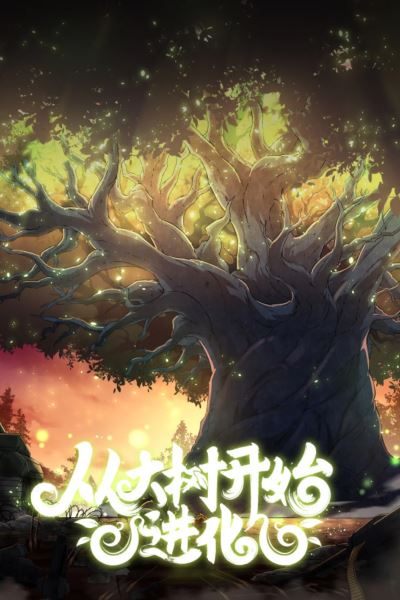
Let me start with the line that sold me on this narrative voice: "Eh, what kind of curtain opener is this?"
Yu Zi Yu observes two girls bathing and his internal commentary is casually, wonderfully modern. This isn't a stoic immortal or a gravely serious protagonist. This is someone who sees something interesting and makes a half-joking, half-flustered remark to himself. The voice is immediate, unfiltered, and deeply human despite the fact that he's literally a tree.
The author's narrative voice operates on two levels simultaneously. There's Yu Zi Yu's direct internal monologue—casual, sometimes irreverent, occasionally philosophical—and then there's the narrator's omniscient perspective, which provides factual information (Peregrine Falcon specs, Red Fox biology) without ever feeling like a textbook insertion. These two voices blend seamlessly.
Watch how the author handles exposition through dialogue. When the twin girls talk, their conversation reveals the world naturally: "In just half a month, 7-8 people have been bitten by snakes and insects." No infodump. Just two siblings complaining about village restrictions while hinting at escalating danger. Their voices are distinct too—He Qing Er is the cautious elder sister who still drags her sister into trouble; He Ling Er is playful, trusting, slightly naive. You can hear both of them.
Yu Zi Yu's self-talk has its own rhythm. Short bursts. [Thoughts in brackets]. Complete sentences mixed with fragmented observations. "Pain! Heart-wrenching pain!"—the punctuation does so much work here. The exclamation marks aren't overused; they land precisely when the emotion peaks.
One thing I want to flag: the author trusts silence. There are moments where Yu Zi Yu says nothing at all—just watches, just feels, just processes. The narrative doesn't fill every gap with words. This restraint makes the occasional outburst hit harder.
The dialogue may be sparse, but every line has weight. That's a voice I'd follow anywhere.