Dressed as an Abyssal Dragon Hatchling [Holographic] - Reviews

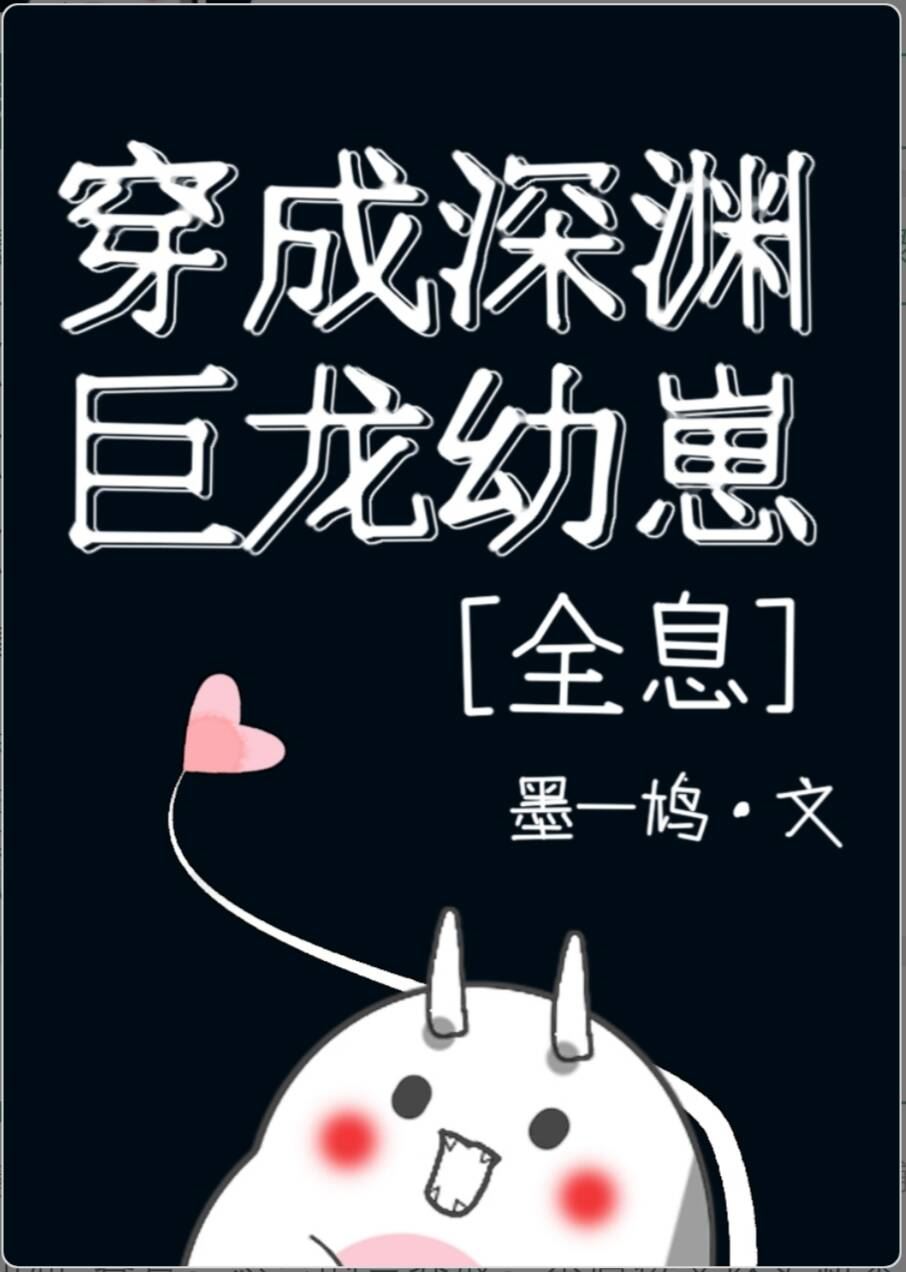
Dressed as an Abyssal Dragon Hatchling [Holographic]
+Add to Custom List
Sort
Add review
... Read More
The structural choice to open with the developers' perspective instead of following Jing Nian directly was actually genius for pacing. It establishes the scope of the anomaly before we even meet the protagonist inside the world. You get this escalating reveal — first the spirit pets are gone from their dungeons, then the Dragon Temple is renovated, then the whole world has shifted — and by the time the silence falls over the studio, you already feel the weight of what's happening. Then the chapter pivots to Jing Nian observing everything like an ant farmer, and the reader finally gets the inside view. The transition from the studio room to the dragon conference hall works because both scenes share the same energy: confused leaders trying to process something that defies their understanding. The pacing breathes between these two rooms. And then you drop the cliffhanger about the invaders' speed and range increasing — right at the end, no less, when we'd just finished a relatively warm scene about the Shadow Clan finding a home. That's a masterful tonal whiplash. What's impressive is how the chapter manages multiple narrative threads without feeling rushed. The Jing family's search, the game world's transformation, the cross-race alliance, the mysterious resurrection mechanic — all of it lands because each beat earns its space. The chapter ends on an ominous note but doesn't overstay its welcome. I immediately wanted to read the next one.
... Read More
I keep thinking about the black crescent dragon scale and what it represents, and honestly it broke my heart a little. On the surface it's a powerful artifact—sealing an incredible force, passed down generationally, impervious to outsiders. But underneath, it's a symbol of the giants' tragic isolation. They have this incredible protection, they believe they're the top life forms, they're proud and ancient and seemingly untouchable—and yet they're completely unaware that their entire world is a game to forces outside their understanding. The scale is both their greatest shield and their most beautiful ignorance. Jing Nian's inability to speak the truth is equally symbolic. His mouth is literally sealed—not by magic but by the fundamental incompatibility between his two worlds. He wants so badly to warn them, to prepare them, but the mechanism that brings him here also silences him. There's something profoundly tragic about a character who carries knowledge that could save everyone but is cursed to watch it all unfold anyway. The Mini Street creations—the saliva towels, the rabbit blanket—these tiny crafted objects represent connection across impossible scales of difference. The giants appreciate the small beings' work, and that appreciation opens doors. It's a quiet message about empathy and cross-cultural relationship that contrasts beautifully with the looming conflict with players. "Because it's a secret"—Hesse's answer about why giants think of themselves a certain way—this line haunts me. What secrets do the giants carry? What secrets does Jing Nian carry? The whole chapter is built on layers of hidden knowledge and half-revealed truths.
... Read More
Okay so here's what genuinely blew my mind about these chapters—the plot isn't just one layer, it's those Russian doll thingies. You've got the real-world studio drama on top, where the Jing family threw money at Dragon Slayer without demanding creative control, which is honestly rare in the interstellar industry. Then you've got the in-game storyline with Jing Nian saving this 'hero' from a river clam. But the real plot bomb drops when Jing Nian realizes the hero's memories are messed up—time frozen inside a quest loop, reliving the same capture over and over because every player has to rescue him. That's not just a twist, that's existential dread wrapped in a game mechanic. The author doesn't even announce it dramatically; it just slides in while Jing Nian is thinking about his pufferfish item plan and suddenly his whole understanding of this world cracks. And the Studio subplot? It's not filler—it mirrors the game itself. The devs are building a living world where NPCs develop behaviors nobody scripted (that sand vulture boss picking fights with dogs???), just like the hero NPC started accumulating phantom memories. Two parallel creations, two layers of reality blurring. Does this mean Jing Nian might not be as 'real' as he thinks either? Because if an NPC can have frozen time and false memories, what stops the protagonist from being part of someone else's game? I haven't stopped turning this over in my head.
... Read More
I have to say, the way the Dragon-slaying Sword plot unfolds is really clever. Jing Nian has this moment where he thinks of Huo Yi - that reliable, silent guy - and then BAM, he gets the team invitation. It's like the author is playing with our expectations. First we think one thing's going to happen, then everything shifts. The title system is such a neat detail too. Jing Nian being the [God-tier Blacksmith's Trusted Friend] first, then working his way down through [Friend], [Acquaintance], [Encounter]... it creates this whole hierarchy that feels organic to the world. And Ga'erfu's reaction? Absolutely perfect. That awkward pause when he's jealous but trying not to show it? The author really nailed how complicated friendship can be. But then - the second title of the Divine Artifact quest GONE?! What the hell, right? Everyone was so close to getting it, all those advanced players, and then it just disappeared. No one even knows who got it. That's a cliffhanger that's going to keep readers up at night. The mushroom subplot with the Jing family is also interesting. Something's brewing there, and the connection to the Fourth Young Master's search adds another layer. The story's weaving multiple threads together - the game world drama, the family politics, the NPC awakening mystery. It's all connected, and I'm intrigued about how it'll all come together.
... Read More
The setting in this chapter is doing so much work without ever announcing itself. You have a marketplace—just a normal one, with a blacksmith's shop, warriors browsing gear, the whole commercial atmosphere—and then Huo Yi walks through it like he owns the oxygen. The contrast between the mundane environment and the character whose stats make it look like a glitch is genuinely funny and genuinely unsettling at the same time. I keep coming back to the description of Huo Yi's equipment and how deliberately underwhelming it is. Plain black attire. Plain black trousers. A mask that says 'obscures your face, a must-have for assassins and rogues' like it's reading from a genre manual. An ordinary iron sword with a 'craziness level' of ten. This is a character whose entire visual presentation screams 'I am trying very hard to look like I don't matter,' while his numbers scream something entirely different. The worldbuilding here is telling you that in this universe, looking ordinary is a choice, not a circumstance. The game-like interface elements—the loyalty system, the attribute panels, the 'Congratulations' notification when Jing Nian gains 100 loyalty—are woven into the scene so naturally that you forget they're exposition devices. They just exist as part of the world's texture, like street signs or weather. That's skillful. The book never stops to explain the system because the system is just how things work here, the way gravity is just how things work. What strikes me most is the geographic specificity. You have a riverside where the pufferfish transaction will happen, a blacksmith's shop where the knee guard gets discussed, a market where the confrontation takes place, and then outside where the mask comes off. Each location has a function, and moving from inside to outside for the reveal feels deliberate. The private space outside the market is where truth becomes possible—inside, you're performing. Outside, you're just being. The world feels lived-in because the objects matter. A pearl token from a Little Mermaid isn't just a MacGuffin—it's something with history, with emotional weight, given to a warrior who treats it like a sacred object. That's how you build a world that exists beyond the current scene.
... Read More
This passage is rich with thematic depth about identity and what constitutes true power. Jing Nian inhabiting the dragon cub's body raises fundamental questions: Are we our physical form, or something else entirely? The baby dragon sleeps peacefully while another soul navigates the world through its vessel - there's something deeply philosophical about that separation of consciousness and embodiment. The sculptor king as gift symbolizes the tension between appearance and reality. Created artificially but treated as precious, positioned as a surprise but actually serving as a warning. It's both artwork and hostage, devotion and threat. The baldness and frustration on its face mirror Jing Nian's own situation - exposed, visible, yet trying to maintain dignity while completely vulnerable. The level discrepancy tells its own story. Level 100 location versus level 1 player status creates thematic dissonance that mirrors Jing Nian's internal conflict. He possesses the body of a future Dragon Lord but lacks the corresponding power and knowledge. That round belly isn't just comedic relief; it represents potential unrealized, strength unawakened. Most powerfully, the dragons' choice to protect rather than expose speaks to themes of found family and chosen loyalty. They could enforce the original order, but instead they create space for this second consciousness to exist. What does that say about the nature of power - is it about control, or about protection?
... Read More
Let me just say — the imagery in these chapters is genuinely cinematic. There's this one sequence where Jing Nian is squatting at a fork in the road, drawing circles in the dirt with a twig because he's too exhausted from being a little dragon cub to choose. That image stuck with me. A tiny creature, breathless, making childlike marks on the ground, contemplating whether to summon some kind of sand sculpture helper. It establishes so much about his situation without any exposition dump. Then the world opens up. One path — Warrior Ahe emerges. The other path — Uncle Pipi appears later. The physical fork mirrors the narrative fork: do you chase the exciting main quest or do you follow the mysterious quiet protector? Both paths exist simultaneously in the landscape and in Jing Nian's life. The vegetable field scene is where everything gets visceral. A cyan-colored bug — larger than himself — emerges from the greens. The description is deliberately absurd: "full appearance of the cyan bug with its body." We're supposed to imagine this ridiculous oversized insect rising from the soil, and it's terrifying precisely because it's so mundane. It's not a boss monster. It's just... a bug. In a vegetable patch. The horror is in how normal the setting is. Jing Nian's reaction — dropping the wooden knife, sprinting, tripping over his own cloak with a sound effect written as "plap" — it's physical comedy at its finest. The onomatopoeia choices throughout these chapters are great. "Whoosh—" "Thud!" The wooden knife flying past his head and pinning the bug behind him. The wind chasing him. These sounds make the scene feel immediate and alive. And Uncle Pipi's entrance from above — Jing Nian bumps into an obstacle, looks up, and meets those cold disdainful eyes. The framing of that moment is pure visual storytelling. Small creature on the ground, looking up at the savior. It's a classic composition and the author uses it perfectly.
... Read More
I need to talk about the scene where the cub absorbs Jing Nian's heat and he passes out. 'Little brother, stupid. Wuwu...' The cub's eyes moistened. It thought he was a disabled dragon. This is Peak Emotional Damage and I'm not okay. A newborn dragon cub, who literally just came into this world, sees this creature with no horns and no scales and assumes he's broken. And instead of being cruel about it, the cub just... accepts it. Hugs his fingers. Sighs. The tenderness here is off the charts. But then there's the flip side—Jing Nian waking up refreshed, his gene defect weakness gone, the cub curled against his chest sleeping peacefully. He's literally been healed by this bond. That warm current connecting them isn't just plot mechanics, it's the physical manifestation of their growing connection. The cub chose him. Again and again. And Jing Nian, despite knowing those giant dragons could kill him with a single strike, decides to try to win them over. That's not bravery, that's love speaking.
... Read More
I cannot stop thinking about the He Kun and Xuan Lei scene. Like, the author gives these two dragons exactly zero lines of actual dialogue and somehow they communicate more than most characters who get whole chapters of banter. The entire 'It's you! Clearly, it's you!' sequence played out through glares and breath and angry sparks in their eyes is one of the funniest things I've read this year. They spent the whole chapter being extremely careful—tiptoeing, wings folded stiff, trying not to create wind gusts—and then the second consciousness inside the egg hides, and their entire carefully constructed composure shatters into a full-blown battlefield. The narration says they're 'young dragons,' which I now understand means 'drama queens with elemental powers.' And then the best part: the dragons at the Holy Dragon Blood Pool hear those roars from the abyss and their faces literally turn pale with 'Oh no!' Like they've heard this song before and they know exactly how this ends. That one line tells you so much about dragon culture—these fights are a known phenomenon, a recurring tragedy, a rite of passage gone wrong. The author trusts us to fill in the backstory without exposition dumps. Meanwhile Jing Nian's internal monologue has this wonderful deadpan quality. He goes from 'this is definitely going to eat me' to 'wait, dragon language?' to 'do dragons really walk like that??' to 'my crisis is not resolved' in the span of a few paragraphs. That rapid-fire internal pivot is such a natural way to process terror—you rationalize, you observe, you make jokes to yourself, you brace for impact. The voice here is consistent even across genres, which says a lot about the author's control.
... Read More
The visual contrast between the Dragon Abyss forge scene and Uncle Pipilu's warehouse at midnight is chef's kiss. In the forge, you've got this intense pressure cooker atmosphere—dragons roaring with elemental wind rain thunder and lightning power, their glowing eyes full of suppressed rage, the mysterious person nearly having his face mask torn off. It's theatrical, almost mythic. Then you cut to Huo Yi in this rundown warehouse sitting cross-legged on a worn wooden pallet, completely out of place aesthetically but radiating that calm cultivation aura. The sensory details are strong here—the scorching ears betraying his emotions, the dragon pearl fragments in his palm catching dim light. What I love is how the worldbuilding shows us two different power systems coexisting: ancient cultivation world with pure dao bodies and inner demons, and this interstellar hospital backdrop where Jing Nian apparently came from. The dragon horns tingling pink on the chubby hatchling when it has a fever—that's such a specific biological detail that makes the fantasy world feel lived-in and real. And the contrast between ice-cold dragon horns and fever-warm ones is a lovely touch.
... Read More
I need to talk about this one moment where Huo Yi splits his divine consciousness in half and creates a new player account called "Yi Huo" because he's worried NPCs might recognize him if he showed up looking like Uncle Pippilu. Think about that. His divine consciousness is powerful enough to build a whole alternate identity inside the game, but his first instinct is, "wait, the NPCs are basically real people, I should cover my face so I don't freak them out." That is genuinely one of the most empathetic character moments I've encountered. And then he goes to Uncle Pippilu to start newbie quests like nothing happened. Like he's just another player. The casualness of it is what makes it hit so hard—he's basically infiltrating his own game world with a disguise because he cares about the NPCs' feelings. Meanwhile, back in the real world, the Jing family is losing their minds trying to find Jing Nian in this world that grows and changes without their control. The emotional weight of all these parallel stories—the cub learning (or refusing to learn) magic, Huo Yi playing disguised, the brothers failing in the game—creates this underlying current of people who care deeply and are trying to protect someone they love. That's what stuck with me.
... Read More
Can we talk about how the narrative voice carries this entire chapter? Because the dialogue is barely there—most of it is Jing Nian's thoughts—and the author handles it perfectly. Take this exchange, which is basically zero dialogue and maximum comedy: Jing Nian: "Looks great." The Sand Sculpture King: rolls its eyes. Jing Nian: "Sigh~" That's it. That's the entire interaction. No grand speeches, no exposition. Just two beings communicating through pure attitude. And the system notification "[Pet Mood -1]"? That's the author's voice showing us the meta-layer without breaking immersion. It's like the game interface itself is a character that occasionally drops jokes. And the dragon character message: "Playing, just, coming back"—with that deliberate halting syntax mimicking a hatchling's first words. Jing Nian is performing incompetence so perfectly that even we, the readers, briefly buy into the act before remembering he's actually in on the joke. The narrator never once breaks into essay mode. It stays in Jing Nian's head, bouncing between panic, embarrassment, strategy, and occasional dry humor. That's a consistent voice, and it's why these chapters read fast even when nothing catastrophic is happening.

Leave a comment

You must be logged in to leave comments. or
