Dressed as an Abyssal Dragon Hatchling [Holographic] - Reviews

Dressed as an Abyssal Dragon Hatchling [Holographic]
+Add to Custom List
Sort
Add review
... Read More
Okay so this whole sequence starts with the thief actually thinking he got away with the golden dagger and I was leaning forward like yes yes steal it run—then CHI YAN just completely flips the board. The way the dragon pretends nothing, lets the cub play along, then suddenly ROARS and the guy just explodes out of the pit like a cork. Perfect setup, perfect payoff. But then—here's what surprised me—the story doesn't just wrap it up with a clean capture. No, the thief gets thrown in a cage and the ENTIRE dragon population comes to gawk at him like he's a zoo exhibit. This is honestly such a weird tonal shift and I love it. It goes from tense chase scene to basically dark comedy in one beat. And then the reveal that he's a three-way mixed blood? That's a plot bomb dropped right when I thought the chapter was winding down. The author really knows how to string a revelation along—first the dagger theft, then the capture, then the caging, then the lineage twist. Each beat opens a new question before closing the last one. Coherent? Absolutely. Predictable? Not even close.
... Read More
There are two sentences in this chapter that hit me harder than anything else and I need to unpack them. First: "Are you leaving again?" The little dragon doesn't have words but the author conveys the entire meaning through those round flattened eyes. AGAIN. That word implies this has happened before. Jing Nian has disappeared and come back and disappeared and this little one remembers and is terrified. There's probably backstory I haven't read yet but just from this, it's clear their bond isn't new or shallow. Second, and this one wrecked me: the adult dragons making the same eye expression as the babies. But because they're massive and intimidating, it looks scary instead of cute. Think about that. A thousand-year-old dragon with the emotional range and vulnerability of a scared toddler looking at their parent figure like he's about to vanish. That juxtaposition of terrifying physical form and utterly soft emotional core—there's no weapon these dragons could wield that would hurt as much as that moment. And Jing Nian's reaction, just melting and saying I'm not leaving, no grand speech, no dramatic promise. Just three words. Sometimes that's all you need.
... Read More
There's something so quietly beautiful about the detail where Old Hesse remembers this one specific dragon cave — deep underground, dark, damp, rich in dark elements — and just like that, another race has a place to stay. The novel doesn't make a big deal out of it. It's almost casual: "And just like that, another race found a home within the dragon clan." But this is worldbuilding at its finest because it shows you a world that's WIDER than any single race. The Dragon Abyss isn't just a location; it's become a neighborhood. A sanctuary system. The contrast between what the developers designed and what actually exists is where the real atmosphere lives. These secondary dungeons were supposed to be grinding grounds — defeat the mini-boss, watch the boss king enter berserk mode, get a randomly attributed spirit pet. The entire economy of the game was built around players hunting juvenile boss kings. And now those same boss kings are living peaceful lives in small towns, some of them apparently running infrastructure. The image of the long-abandoned Dragon Temple, which in the original storyline only becomes relevant when the dragon clan becomes enemy number one to the entire continent, now completely renovated and presumably hosting meetings — that architectural transformation tells you more about how the world has shifted than any exposition dump could. The world isn't just changing; it's being REMADE by people who understand it better than the people who designed it.
... Read More
The pacing in these chapters is genuinely impressive. You start with high-energy chaos—dragons threatening to rip the mysterious outsider apart, accusations flying, a full-scale investigation of the Dragon Abyss perimeter. That's pages of escalating tension. Then it drops into Jing Nian's quiet acceptance of his petite body, the gentle moment stroking the dragon horns, the warmth of fingertips—this soft interlude gives the reader breathing room. And then the cut to Huo Yi at midnight in the warehouse is where the real narrative jiu-jitsu happens. Instead of explaining everything immediately, we get his internal monologue revealing what he actually did, why he did it, and hinting at the deeper connection to the lost dragon egg. The chapter ends on the snoring dragon hatchling with that rhythmic 'Hoo~choo~~' sound—almost comedic relief after all that tension. The structure here is deliberate: crisis, resolution, quiet moment, reveal, comedy button. Each beat earns its space. I especially appreciated that Huo Yi's realization about inner demons comes at the end rather than interrupting the plot flow.
... Read More
okay let's talk stakes because they just went THROUGH THE ROOF and i am not okay. up until this point in the story, the conflict has felt relatively contained—you know, dungeon crawling, level grinding, dealing with weird npcs, that kind of thing. but hesse showing up and explaining that OUTSIDERS are causing TEMPORAL CHAOS on the grans continent? that changes everything. suddenly the game world isn't just a game world. players are being monitored. something is wrong with the fabric of reality itself. and the way the author handles this is brilliant because nobody in jing nian's immediate circle actually understands the full picture yet. hesse is clearly part of something bigger—the dragon clan has crystal recordings, prophets, wise ones, all of these people who knew something was coming. jing nian is just now catching up and he's operating on incomplete information. that's where the real tension lives. not in whether he'll win a fight, but in how much danger he's in without even knowing it. and huoyi—oh huoyi. he's the one who seems to understand the most about what's happening, and he's choosing to stay hidden. he suspects jing nian might be the boy named 'nian nian' whose soul got trapped in the little dragon's body. that means huoyi is playing a completely different game than everyone else. he's not just an NPC or a player or whatever he claims to be. he's operating with knowledge and agency that the rest of the cast doesn't have. the conflict here is multi-layered: external (temporal chaos threatening the continent), interpersonal (huoyi hiding his true identity from jing nian), and internal (jing nian processing that his safe little game world is actually dangerous). the author raises the stakes without ever having a single character say 'the stakes have been raised.' it's all shown through implication and reaction. and the cliffhanger ending—with jing nian still processing, still excited despite the horror—is perfect. he's not scared straight. he's THRILLED. and that tells you everything you need to know about the kind of protagonist we're following into increasingly dangerous territory.
... Read More
What I love about these chapters is how naturally the world reveals itself without infodumping. You get all these tiny details that make everything feel lived-in: the red name hovering above Gordon's head, the player interface notifications, the Dragon Soul Space as a private shared consciousness zone, the cold-faced NPC outside the courtyard who only moves for quests. The contrast between the noisy newbie village full of players and the quiet isolation of Uncle Pipilu is striking. And that line about how for an AI to appear in a 'real' world is strange — it reframes everything. Jing Nian's observation that "everything was exactly the same as in the real world" but also fundamentally different, that's a beautiful worldbuilding note. The fact that characters have emotions, feelings, their own lives despite being tied to this game system... it raises the stakes of the whole narrative. Who are these beings, really? The bread-sharing moment at the end, Jing Nian giving half to the dragon while it watches with pitiful eyes because the food isn't tasty, is such a small domestic scene that somehow makes the whole fantastical setting feel warmer and more real.
... Read More
Let's talk about stakes for a second because this chapter absolutely MAXES them out. Jing Nian just went from 'confused transmigrator trying to survive' to literally standing on top of a fifty-meter golden dragon's head while hundreds of dragon eyes lock onto him. That is an INCREDIBLY precarious position. His own internal monologue captures it perfectly: 'Whether the Dragonslayer comes or not becomes irrelevant; he might be slain by a dragon first.' Like—yeah. That's the energy. You're already mid-transformation, your bones are rearranging themselves, and the nearest exit is a bunch of predatory dragons who just decided to bow to you instead of eating you? What could possibly go wrong? And the external stakes just exploded too. The Holy Dragon Blood Pool pouring into the flames, the distant roar awakening ancient slumbering beings across the entire Grans Continent—this isn't a local drama anymore. Whatever is happening on that altar has continent-wide consequences. The text specifically says ancient beings deep in slumber were stirred by that roar. That's not foreshadowing, that's a ticking time bomb. But what I find most tense is the INTERNAL conflict. Jing Nian is simultaneously terrified and bound to this little dragon cub through their consciousness link. He can feel its excitement, its hesitation, its childish need for approval—all while he's trying to process that his entire existence has been rewritten. The moment where the dragon flicks him off and he accidentally triggers his wings, launching into the air? That's peak comedy mixed with genuine peril. One wrong flap and he's falling fifty meters. Yet he's also laughing inside because the formerly chubby baby dragon is now hesitating before taking flight like a nervous child. The emotional whiplash in this chapter is no joke.
... Read More
Okay so here's the thing about this text — there's basically zero traditional dialogue and yet I felt every word these characters were trying to say. The author writes silence like it's its own language. Huo Yi's internal voice is this dry, analytical, slightly exasperated narrator. His thoughts are sharp and practical: *'He wasn't entirely sure.' 'Therefore, there was a high probability.'* But underneath all that logic is this current of genuine tenderness that he never verbalizes. The fact that he notices the heartbeat, that he 'skillfully' pets the cub despite being confused, that he cleans up the collar — these are all dialogue-adjacent moments. Actions that speak louder than any 'I care about you' ever could. Jing Nian's inner monologue is a whole different flavor. It's chaotic, self-deprecating, full of panic and embarrassment. 'What's going on, help, this NPC is actually petting a dragon!' This is pure Gen Z internal screaming and I am HERE for it. The contrast between his outward composure (trying to act dignified) and his thoughts (absolute chaos) is comedy gold. And Uncle Pipilu saying NOTHING. Not one word. Just standing there looking handsome after a massacre. The man communicates in presence alone.
... Read More
'Hahaha!' — followed immediately by a rock fissure. This author understands that character voice isn't just what people say, it's what they DO when they speak. The dialogue here is deceptively simple. Hesse's lines are mostly functional—he's delivering exposition about the continent's origins—but they're punctuated with physical comedy (laughing too hard, retracting his claw worriedly) that keeps it from feeling like a textbook dump. Even his laughter has weight, literally. Jing Nian's voices shifts too. He goes from confused internal monologue ('was this really a secret he was allowed to know?') to performative innocence ('Thanks to the care of the giant dragons, I want to work hard with everyone...'). That tonal whiplash is actually brilliant characterization—it shows he can pivot from genuine anxiety to strategic charm in seconds. The dialogue structure here follows a nice rhythm: big reveal → stunned silence → emotional processing → pivot to action. It's almost musical in how it moves. And that line about the old saying—'Raise a child yourself, and you'll know even if they just wiggle their butt whether they need to poop or fart'—absolutely made me choke on my tea. It's the kind of earthy wisdom that grounds a fantasy narrative and reminds you these are living, breathing beings, not just plot conduits.
... Read More
I'm going to be honest with you—this chapter taught me that dialogue isn't just words. The conversation between Jing Nian and Ao Tian, especially during the telepathy breakdown, is the most emotionally honest exchange I've read in a long time. Ao Tian can't speak Common Language yet, so every thought, every emotion, every frustrated gesture becomes dialogue. 'Jing Jing, can you understand now?'—that broken, desperate repetition of a name they share, it lands like a punch. And Jing Nian's responses, or lack thereof, are equally powerful. His 'Huh?' isn't just confusion; it's performance, it's playfulness, it's also, I think, genuine surprise that the connection wavered at all. The mermaid's dialogue is sparse and fragmented—'My... friend got captured'—and that broken speech style communicates so much about who she is and how afraid she is. She can barely form the words because the fear is still fresh. What strikes me most is how the author uses silence as dialogue. Ao Tian closing its mouth when it notices the mermaid's wet tears—that's character development in a single beat. It chose empathy over expression. And Gordon hiding behind the sculpture because the little dragon gave him a disapproving look—no words, no action beyond that glance, and we understand the entire power dynamic instantly. The dialogue throughout this chapter feels alive because it's not just what characters say; it's what they choose not to say.
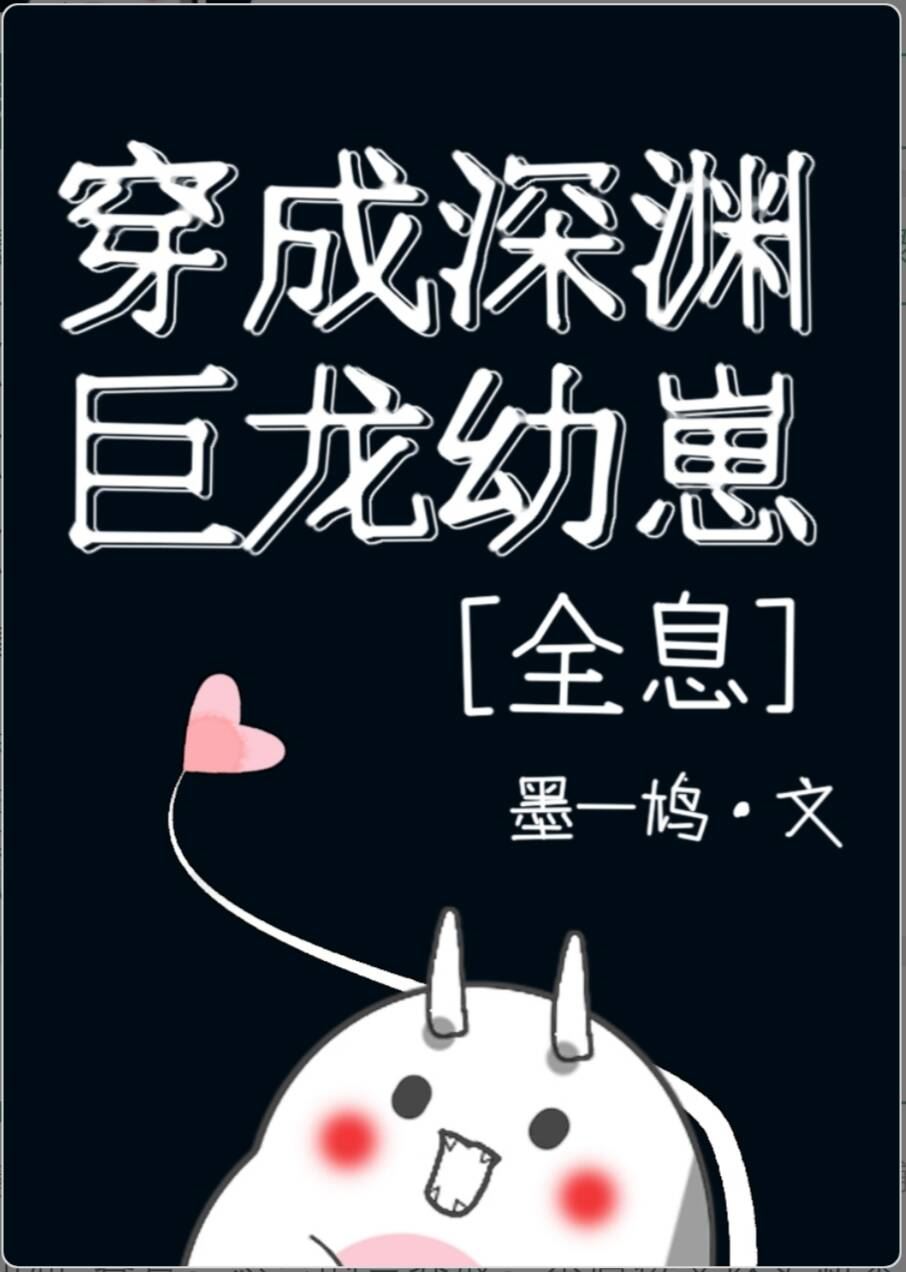
... Read More
"This was a feeding technique that the elves deliberately demonstrated using their own hatchling in front of the dragon Hesse." I keep coming back to this moment. Think about it for a second. You've got an elder dragon—literally one of the most powerful beings on the continent—carefully feeding a half-dragon soul entity who is internally screaming, using a bib and piercing fruit with elemental power because ELVES showed them how. The contrast between Hesse's dignified presence and this absolutely domestic scene is comedic gold. But underneath the humor, there's something really sweet happening. Despite the dragon realm's brutal philosophy—"everything belongs to me, I'll clear out my sibling's nest"—Hesse is being GENTLE. The shame Jing Nian feels isn't just embarrassment; it's the vulnerability of being trapped in a helpless form while someone powerful treats him with unexpected care. And the color description, the blush, the crimson dragon soul—that visual tells us more about his emotional state than any internal monologue could. Then there's the relationship with the Sand Sculpture King. The pet rolls its eyes at him. REFUSES to be grateful. And yet—Jing Nian still tries. He finds a crown, compliments it, and the system actually registers a mood change. These tiny emotional victories with a sarcastic sand sculpture pet? Somehow they hit harder than big dramatic confession scenes. That's skillful writing.
... Read More
I cannot stop thinking about how Jing Nian and the little dragon cub interact with each other. It is not your typical master-pet or guardian-ward relationship either, but something much more layered. When the cub curls up embarrassed after its flying mishap, Jing Nian feels genuine guilt — not because he is obligated to comfort it, but because he genuinely cares about its feelings. That moment when he tries to apologize and accidentally makes it worse by laughing is painfully human. And the cub? It immediately picks up on his distress and starts imitating his gestures, patting his back the way he once did for it. That mirroring thing really shows how much they have learned from each other. Then there is the scene where the cub catches him sneaking out to play with the other dragons. Its little reproachful look says everything — betrayal mixed with childish wounded pride. The way Jing Nian communicates through their shared consciousness, quietly apologizing and promising to take it next time, reveals that he sees the cub as an equal, not some pet to be managed. Their bond has evolved into something where both parties actively consider each other's feelings.

Leave a comment

You must be logged in to leave comments. or
