Destination - Reviews

Destination
+Add to Custom List
Sort
Add review
... Read More
There's something haunting about the connection between generations that runs through this entire section, and I think it's disguised as a simple plot point about a sacred tree. But the deeper I went, the more I realized this story is really about the weight of inherited pain — and the hope that prayer (or ritual, or simply showing up) can somehow break the cycle. The dangsan tree is the obvious symbol here. In Korean tradition, a dangsan is a village guardian spirit — usually housed in an ancient tree — that protects the community. But this particular tree absorbs "all the energy of Songhak Mountain and watches over us." Your grandmother used to pray here daily. And now you have to continue those prayers because the divine thread has come down to YOU. The tree becomes a bridge between Sunja's devotion and Yeon-ah's obligation — a physical anchor for something that predates either of them. "All she knew was that she needed to pray. She pressed her palms together, following Shim Suryeon who was beginning her prayer... She prayed for the peace of Songhak Village, and that her grandmother and mother would be happy wherever they were. And she prayed again and again that the malevolent spirits appearing before her would be taken away." Three prayers in one. Protection for strangers. Love for family she barely knew. Safety from threats she can't even fully see. This girl has never been to this village, never met these people, and already she's shouldering their spiritual welfare. That's the inheritance — not money or property, but responsibility. And the rain... the rain keeps coming back as this almost sentient force. It starts as inconvenient weather, becomes something oppressive and isolating on the mountain, and then at the tree it transforms into something almost alive. The tree weeping. The wind howling. The water pouring down like a response to her prayers — or a rejection of them. Is the rain cleansing? Punishment? Or just the physical manifestation of grief that Sunja carried for years and now Yeon-ah must somehow absorb? I keep going back to that final image — Yeon-ah soaked to the bone, trembling, as if the mountain itself has accepted her into its orbit whether she wanted to or not.
... Read More
Okay so I need to talk about this opening because honestly it threw me in at the deep end and I'm not even mad about it. We start with Yeon-ah on a bus in a freak storm, and within five pages we already know she sees ghosts, she's a cop, she just had an accident because of a phantom, and she's heading to her grandmother's village to try and appease some angry ancestors. The shaman's reveal about the grandmother refusing divine inheritance and passing the karmic debt onto the family—that's the kind of information dump that usually feels cheap, but here it lands because we already feel Yeon-ah's desperation. She has no choice. Also the mystery around the grandmother is delicious: dead for twenty years, yet somehow mailed a letter six months ago with keys and a property contract? Who's holding onto it this whole time? And then BAM, Seo Hwido exists. This guy walks in claiming he owns the house, and suddenly every document Yeon-ah is holding feels suspect. Did her mother sell it? Why? Who is this man and why does he have access to the ancestral house? The plot moves fast but never feels rushed—it's all connected through Yeon-ah's emotional motivation. She's not just going there for plot convenience, she's going because the ghosts are winning and she's running out of time. That's good storytelling.
... Read More
Okay so I need to just sit with this for a second because the moment Sora calls and spills the beans—Yeon-ah's been sleeping in someone else's house for TWO NIGHTS—I literally gasped out loud. The author set this up so perfectly. You've got Yeon-ah walking in here like she's the hero, ready to protect her grandmother's home from this cult leader con artist, right? And then the rug gets pulled so hard she hits the floor. Literally. Her legs just give out. That's not just a plot twist, that's a character-defining moment of humiliation that completely recontextualizes everything that came before. She wasn't the protector here. She was the trespasser. The power dynamic flips so fast your head spins. And then—because this author clearly enjoys watching people suffer—Hwido doesn't even gloat about it. He just... takes her to eat noodles like nothing happened. The casualness of it is brilliant. He's already three steps ahead, making her negotiate while she's still processing that her entire moral high ground was a fantasy. This isn't just a story about ghosts and exorcisms. It's a story about how quickly you can lose control when you're operating on incomplete information. And that final request? Asking her to be his girlfriend to drive someone else out? That's not a resolution, that's a hook so sharp it's basically a warning label. What kind of woman does a man like that even need to get rid of? And more importantly—why is Yeon-ah still considering it instead of bolting? Something's coming. I can feel it in my bones.
... Read More
I need to talk about the dangsan tree scene because holy crap. The author set that up so perfectly and I was literally getting goosebumps reading it. Picture this — Yeon-ah is climbing this muddy mountain slope in pouring rain, arms full of food offerings, following Shim Suryeon who won't stop chattering about mulberry trees like a human tour guide from hell. The atmosphere shift when they reach the top? Chef's kiss. "The five-colored cloth strips hanging from every branch drooped heavy with rain. Why did it look so ominous? It felt like something hiding behind the tree was about to leap out at any moment." That single line. That ONE LINE. The colored cloths are supposed to be sacred, right? Traditional Korean shamanic offerings? But the way the author describes them — drooping, heavy with rain, every branch — it doesn't feel peaceful at all. It feels like the tree is holding its breath. And then the wind hits and the rain pours down like the tree itself is crying. "Shhhhhhhh" — I swear to god the onomatopoeia alone gave me nightmares. But what really sold the worldbuilding for me was how layered this village feels. You've got the villagers gossiping, the old grandmother with surprising strength who attacks Yeon-ah over some generational drama, Kim Deoksu announcing himself as "the boss" of a village that clearly has its own power structures, and Shim Suryeon — a young woman who's apparently a shaman who talks to spirits. This isn't just some generic rural Korean village. There's a whole hidden ecosystem of beliefs and grudges and supernatural politics happening here, and the physical setting — the mountain path, the sacred tree, the hanok houses — it all reinforces that this place has deep roots (literally and figuratively). The rain motif throughout this whole sequence is also doing heavy lifting. From the moment Yeon-ah steps foot in Songhak Village, the weather seems to reflect the emotional tone — unpredictable, soaking, relentless. And by the end, when she's standing at the altar and the rain suddenly drenches her like the tree is weeping? That's not just atmosphere. That's the environment itself pushing back. I'm still thinking about this scene hours later.
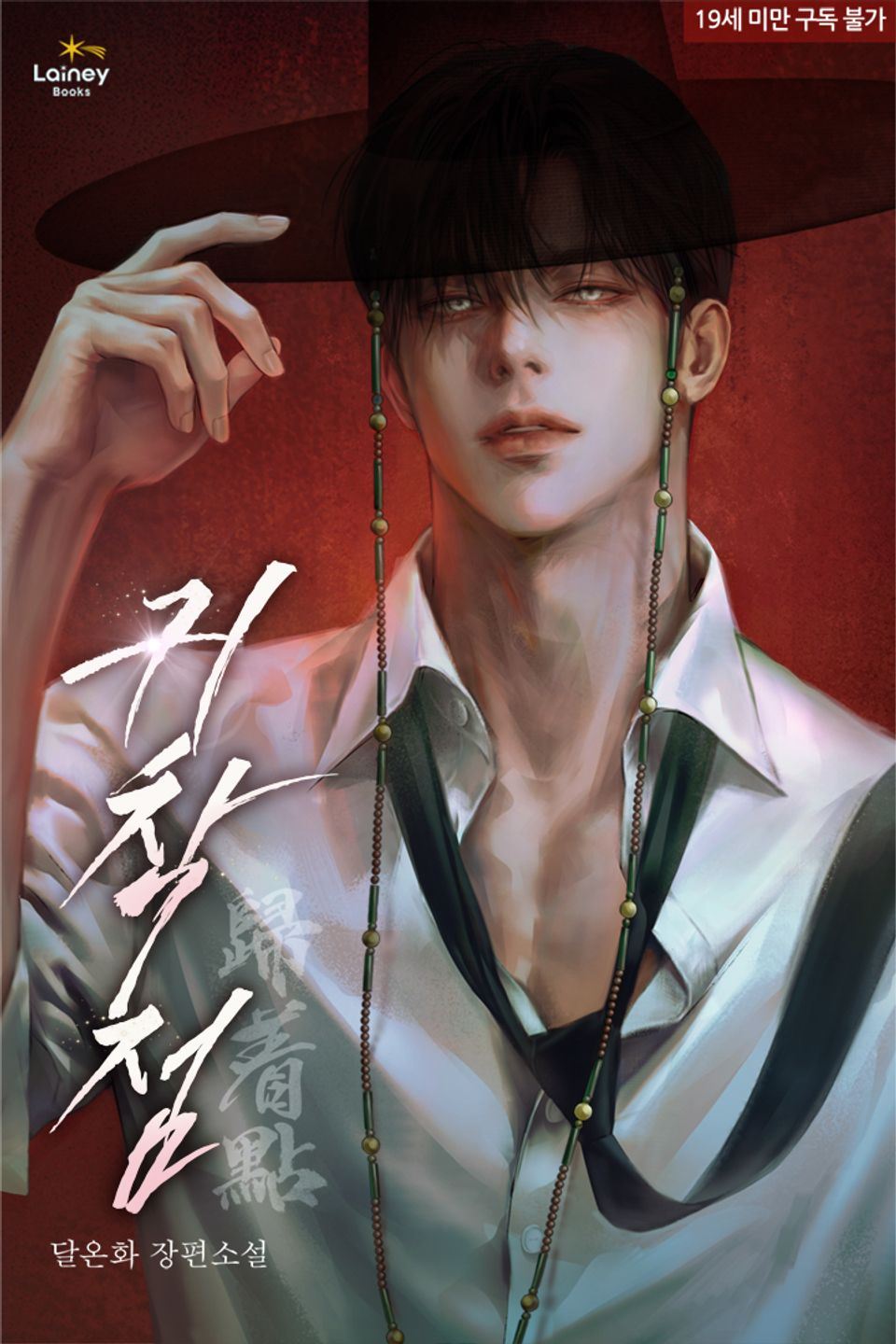
... Read More
Okay so let me just say—the scene where Yeon-ah tries to do a ritual on Hwido is absolutely brilliant plot engineering. She's faking it, right? Studied videos, set up her little shrine, shaking gongs like she means it. But then the universe decides to throw a wrench in everything and a REAL lustful spirit possesses her. The irony is delicious. She came to exorcise someone and instead BECOMES the vessel. What I love about this subplot is how it ties together multiple threads: her weak spiritual power that she mentioned earlier, the lingering danger around Hwido's place (those stray spirits we heard about), and Hwido's own cursed state. The fake ritual creating an opening for a real spirit is such a clever cause-and-effect chain. And then Hwido, half-dead from using his power twice already, still finds the strength to save her. He crushes the spirit, tells it to settle its karmic debt before Yeomra—classic Hwido, even bleeding energy he stays composed enough to deliver a death threat in a calm voice. But that ending!! "Beyond the flickering light, a pale face came into view." What?! I need to know immediately. Is it the maiden ghost from her dream? Someone from his past? Another spirit entirely? The author just dropped a cliffhanger so clean it's almost rude.

Leave a comment

You must be logged in to leave comments. or
