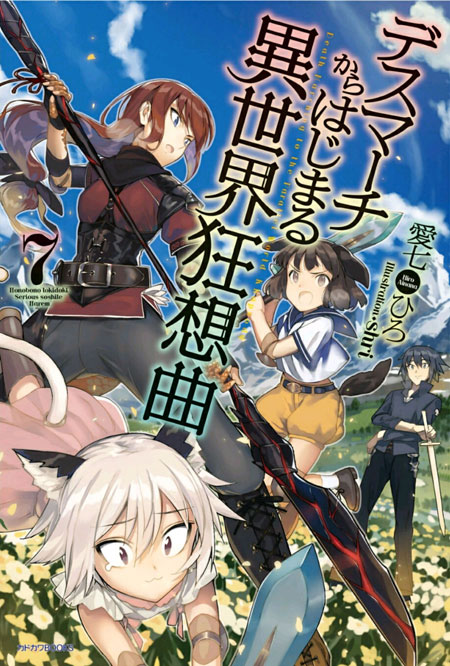
Is this genuinely a five-star tale? No, but it certainly captures my interest amidst an immense amount of text, setting it apart from others. I've experienced unenjoyable chapters that pushed me to the brink, but I keep coming back. Despite its flaws, the story's core is solid, with relatable characters striving to find happiness in a dark world. Adaptations exist in anime, manga, and light novels, with the latter often offering better writing and editing compared to the online version. This is the original, unfiltered Death March, where plot points and character motivations resonate more.
At the beginning, slavery seems safer than freedom, even for children. This story uniquely delves into the reasons behind Satou's companions' behavior and what drives them. It's a layered narrative, like an onion, with depth only found here.
In this dark fantasy setting, Satou's overwhelming power allows him to be a casual observer, yet his relentless nature and programmer mindset keep him constantly engaged. After years of oppressive work, he's become an introverted loner, concealing his identity and avoiding trouble. However, he's an unreliable narrator, inadvertently spreading safety and comfort wherever he goes. He's misunderstood as a wealthy playboy, a teenage Romeo, and a pedophile, using these labels as camouflage to protect the vulnerable girls in his care and provide them with the familial love they lack. Satou embodies a mix of Superman's compassion, refusal to kill, belief in human autonomy, divine origins, and the use of disguises and day jobs to connect with those inferior to him.
While the story does have its flaws and relies on common tropes, it was instrumental in popularizing them.
In summary, though not perfect, this tale offers a rich, complex world with engaging characters and a unique take on familiar themes.