Summary

... Read More

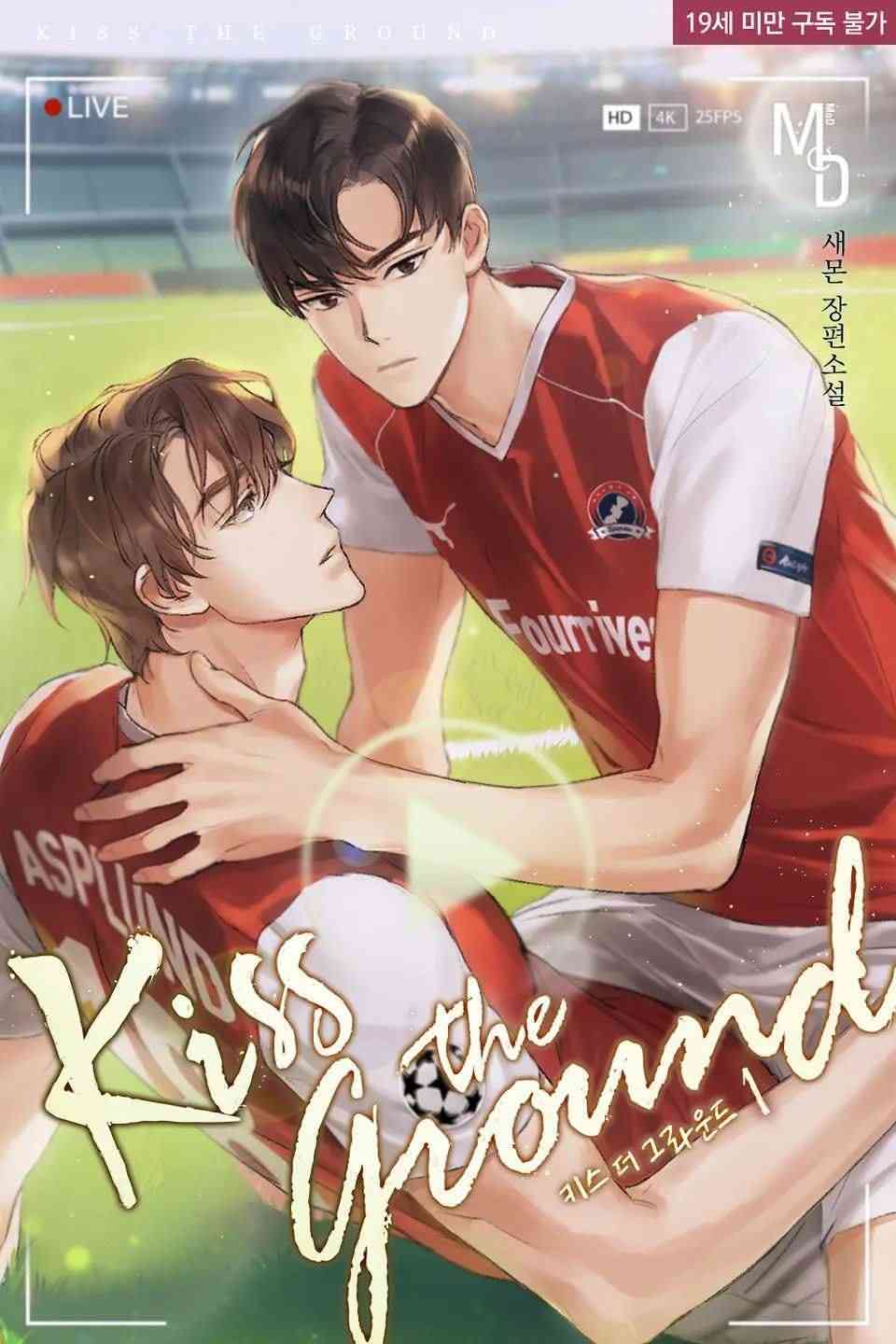
Ji Hong is a thirty-four-year-old former national swimmer who now works as a manager for the Korean Swimming Federation. Once an omega during his athletic career, he retired due to injuries and transitioned into a professional role, maintaining a relatively quiet life dedicated to supporting the next generation of athletes. His partner, Kwon Jae Kyung, is a twenty-two-year-old alpha and a golden favorite for the upcoming Brisbane Olympics. The couple has been together for several years, navigating their relationship within a society structured around biological statuses and pheromone cycles.

The narrative tension begins when Ji Hong discovers he is pregnant. Despite using contraception, the high volume of seminal fluid from an alpha during mating resulted in a successful conception. Initially, Ji Hong attempts to handle the diagnosis in silence, meeting with Dr. Im to confirm the pregnancy while avoiding immediate confrontation with Jae Kyung. His internal conflict is profound; he harbors deep insecurities about his ability to be a father and is terrified of the logistical and social upheaval a sudden pregnancy brings to his established routine. He oscillates between the desire to terminate the pregnancy and a burgeoning, albeit fearful, curiosity about motherhood.

Parallel to the personal crisis, the story explores the dynamics of the relationship through Ji Hong’s interactions with his younger sister, Ji Su. Ji Su is openly hostile toward Jae Kyung, viewing him as immature, unemployed, and inadequate for her brother. She suspects Jae Kyung of irresponsible behavior regarding contraception, unaware of the biological complexities involving alphas and omegas. During a meal, Ji Hong finally reveals the truth to Ji Su, leading to a moment of awkward reconciliation as she realizes her misconceptions. However, Ji Su remains firmly opposed to the marriage that would likely accompany the birth, citing Jae Kyung’s youth and lack of stability.

The emotional core of the story shifts when Jae Kyung returns from a brief separation, displaying signs of depression and withdrawal. Having gone through a violent rut, he is traumatized by his lack of control during their intimate moments and fears he has damaged Ji Hong physically and emotionally. He retreats into solitude, avoiding physical contact and engaging in meditation, which Ji Hong misinterprets as a sign of severe psychological consequences like erectile dysfunction or loss of libido. This misunderstanding drives Ji Hong to research medical topics obsessively, adding to his anxiety rather than alleviating it.

A significant turning point occurs during a conversation about the future. Jae Kyung reveals his intense desire for children, specifically fantasizing about having a daughter who resembles Ji Hong. When Ji Hong hesitates, citing his lack of readiness and fear of inadequacy as a parent, Jae Kyung interprets this as rejection. In a surprising reversal, Jae Kyung asserts that while he may not push for a child if Ji Hong is uncomfortable, he is determined to marry Ji Hong. He argues that marriage is a necessary commitment given their mutual love and differing surnames, dismissing Ji Hong’s pragmatic objections. He decides to propose officially after winning the Olympic gold medal, asking Ji Hong to pretend he hasn't heard the conversation to preserve the surprise.

As the story progresses, Ji Hong accepts the inevitability of the pregnancy and begins to plan for the future. He researches travel restrictions for pregnant women to ensure he can attend the Olympics in Australia in August. The narrative concludes with Ji Hong coming to terms with his changing body and life. He acknowledges his perfectionist nature, realizing his fear stems from a desire to do everything perfectly rather than an inability to care for a child. With Jae Kyung’s unwavering, if somewhat naive, support and Ji Su’s reluctant acceptance, Ji Hong moves from a state of panic toward a tentative optimism about becoming a parent and facing the public scrutiny of a high-profile omega pregnancy.

Latest Release
DateGroupRelease
2026-10-03novel star c106
2026-10-03novel star c105
2026-10-03novel star c104
2026-10-03novel star c103
2026-10-03novel star c102
2026-10-03novel star c101
2026-10-03novel star c100
2026-10-03novel star c99
2026-10-03novel star c98
2026-10-03novel star c97
2026-10-03novel star c96
2026-10-03novel star c95

Community Reviews

Rating(4 / 5.0, 69votes)
5 stars
14(20%)
4 stars
10(14%)
3 stars
15(22%)
2 stars
0(0%)
1 stars
0(0%)

Popular reviews

... Read More
Okay so let me just say this chapter absolutely murdered me. We get this seemingly mundane scene of Ji Hong and his sister at a restaurant—just food talk, budget planning for Mom's trip to Nha Trang, all very slice-of-life—and then BAM, Dr. Im drops “the level of hCG is two-digit” and suddenly Ji Hong is pregnant. I had to re-read that part three times because my brain refused to accept it. The setup is so clever because the author spends almost two pages making you think this is just a “how are things with Jae Kyung” catch-up chapter, then pivots so hard into medical territory. And the way Dr. Im handles it—first the bewilderment about the suppressant dosage, then the casual “well… we cannot say that this is bad” before delivering the actual bomb—it's perfect pacing for a reveal like this. The question of whether emergency contraception could even cause this is hanging over everything too, and I need to know what happens next. Does Ji Hong tell Jae Kyung? When? How? Because if Jae Kyung's already in Malaysia planning to come back in a week, the timing is absolutely tense. Also side note: the Cha Sung-hyun thread is interesting. Ji Su hates him because their mom keeps comparing Ji Hong to him, which is such a small domestic detail that somehow makes the whole world feel more real. I'm curious if this will come back later or if it's just flavor.
... Read More
The pacing in these chapters is genuinely masterful, though it might frustrate readers expecting constant forward momentum. We spend a solid chunk of Chapter 34 in pure aftermath mode—post-rut cuddling, gentle dialogue, the kind of quiet domesticity that makes you forget these two are fundamentally traumatized people learning to trust each other. Then Chapter 35 drops the baby question like a boulder and the pace SHIFTS immediately. You can feel Ji Hong's anxiety spike through the narrative itself—the sentences get shorter, the internal monologue becomes more fragmented, the logic spirals. That's intentional pacing. The author doesn't tell you Ji Hong is panicking; the prose structure makes you feel it. Now here's where it gets clever: the contraceptive discussion is paced like a comedy of errors. Jae Kyung casually dropping that he already bought GDRS, then emergency contraceptives, then revealing he bought them for BOTH of them 'just in case'—it's almost farcical. Three reveals stacked on top of each other, each one undercutting the previous tension. Ji Hong goes from 'I need to rush to the hospital' to 'wait, you already handled this?' to 'are you actually concerned I wanted a baby?' And then Chapter 36 pivots HARD into the dream sequence. The pool imagery, the silence, the passage of time—everything slows down almost to a halt. Seven empty lanes, one kid swimming, the bright glare on water that 'unmistakably indicated' this was a dream. It's a full stop in the pacing, which might feel jarring but serves the emotional purpose. The chapter ends with Jae Kyung checking if Ji Hong is awake, and that return to the present moment snaps everything back into motion. The structure here mirrors the emotional journey: calm → panic → absurd relief → existential weight → tender return. Each section breathes at its own rhythm. The transition from the pool dream back to morning light with Jae Kyung's hand over his eyes is seamless, too—it's how dreams actually feel when you're half-awake. The author understands that structure isn't just about events; it's about how the reader experiences time.
... Read More
There's this one detail I keep coming back to: the restaurant where Ji Hong and Ji Su eat has every seat in a separate room. Not fancy private dining—just a good local place that naturally partitions itself. It's such a small thing but it sets the entire tone for their conversation. They're brothers and sisters who haven't had lunch together in six months, and the separate rooms give them this almost theatrical isolation—like the world outside these booths doesn't exist and it's just them and the chiritan soup and the soju bottle between them. Ji Su pouring herself a drink and casually bringing up her mom's obsession with Cha Sung-hyun comparisons—that scene feels incredibly lived-in. You can picture the steam from the soup, the clink of glasses, the way Ji Hong just wants to get through this and go home because his head is already elsewhere. And then Jae Kyung showing up later, the contrast between that quiet familial lunch and the chaotic intensity of their encounter is jarring in the best way. The world of this story feels specific: Korean workplace dynamics (the Sports Association bothering the director), traditional holidays like Chuseok mentioned almost in passing, university hospitals with month-long waiting lists. None of it is explained—the author just lets it breathe. That's what makes it feel like a real place instead of a constructed setting.
... Read More
Hear me out—the most romantic moment in this entire batch isn't even sexual. It's Jae Kyung frantically searching for emergency contraception info at night while his partner is unconscious, then buying BOTH the male contraceptive AND the female one 'just in case.' That is love language action right there, I am deceased. But then the conversation about having children? That wrecked me. Not because it's dramatic, but because it's so genuinely awkward and human. Jae Kyung asking with this 'unusually cautious but desperate look'—he's clearly thought about this, processed it, researched it, and still can't quite say what he wants. And Ji Hong's internal panic when he realizes his heat-self might have accidentally confessed a desire for a baby? The shame, the embarrassment, the 'I just want to disappear' feeling? So relatable. Meanwhile Jae Kyung is over here calmly explaining why he won't make Ji Hong take emergency contraceptives because 'you wanted a child, right?' and Ji Hong is losing his absolute mind. The moment Jae Kyung says 'I was just worried that suddenly you really wanted a child, and I, in a hurry, drank a contraceptive, ruining everything'—I cannot breathe. This man is genuinely terrified he sabotaged their future instead of protecting it. And Ji Hong having to comfort HIM? The role reversal is everything. Then there's the pool dream. Ten years. He's been carrying this place in his head for a decade and still comes back to it. 'He will probably never be able to forget. Even in ten years, and in another ten.' That hit me so hard I had to put the phone down. The emotional arc here goes from post-rut tenderness to panic to vulnerability to this weird acceptance of eternal sadness, and Jae Kyung witnesses all of it without judgment. Just lying there, brown eyes soft in morning light, waiting for Ji Hong to come back to him. That's the relationship this book has been building toward.
... Read More
I think the core theme of this entire section isn't romance at all. It's about failure. Jihong literally says: "Failures. That's why I don't even try. Then there's no chance of failure." And Jaekyung's response is almost naive: "So what if you fail? You'll try again." But Jaekyung follows up with his own admission — he doesn't want Jihong to see him cry if his training results drop. So he's not actually that different. Just better at hiding it. The word "humiliation" appears multiple times. Jaekyung went through humiliation to get his way. Jihong feels humiliated by his own failures. The national team elders mocked Jaekyung. The Federation treats athletes like reputation props. Everything in this world is structured to make failure feel like annihilation. And then there's the heat cycle — biologically inevitable, uncontrollable, humiliating in its own way. Jihong's body betraying him at the worst possible moment, and he doesn't even know it's happening. The text specifically contrasts his textbook knowledge (two sentences) with Jaekyung's late-night research queue. Who is more prepared for vulnerability here? The contract blackmail Jaekyung used? That's failure weaponized. He failed at being noble about it, so he just... took what he wanted anyway. And Jihong loves him for it, not despite it. That's the theme: imperfection isn't the end of the story. It's the story. "You will not disappoint me, even if you show your weaknesses." That line isn't romantic. It's philosophical. It's the thesis statement of everything.
... Read More
"I really thought you weren't like that." That line. That absolute wreck of a line. Ji Su says it while crying and drinking and she's not even the one dealing with the pregnancy but somehow she feels it more viscerally than anyone else in the room. What hit me hardest wasn't the big dramatic moments — it was the quiet ones. Like when Ji Hong looks at his sister's back as she runs into the sushi restaurant and just... walks after her. Nothing changes between them in that moment but everything is different. And Jae Kyung calling. Four missed calls. The phone ringing like a heartbeat monitor and Ji Hong silencing it like he's running from his own life. I kept thinking about how isolated he is in this. He just found out his body is growing another human being and the first thing he does is hide from the person who should know. Not because he doesn't care about Jae Kyung — clearly he does, the text keeps hinting at this deep history between them — but because he's terrified. Terrified of what this means, terrified of how Jae Kyung will react, terrified of his own unexpected enthusiasm when he imagines a child from them. That last part wrecked me. Even in the middle of all this fear and horror, there's this tiny thread of excitement. A child from him and Jae Kyung. The thought doesn't feel terrible. It feels like a fantasy that shouldn't be possible. And that contradiction — wanting something and being scared to want it — is the most honest emotional writing I've read in a long time.
See all reviews

Custom lists

See all custom Lists