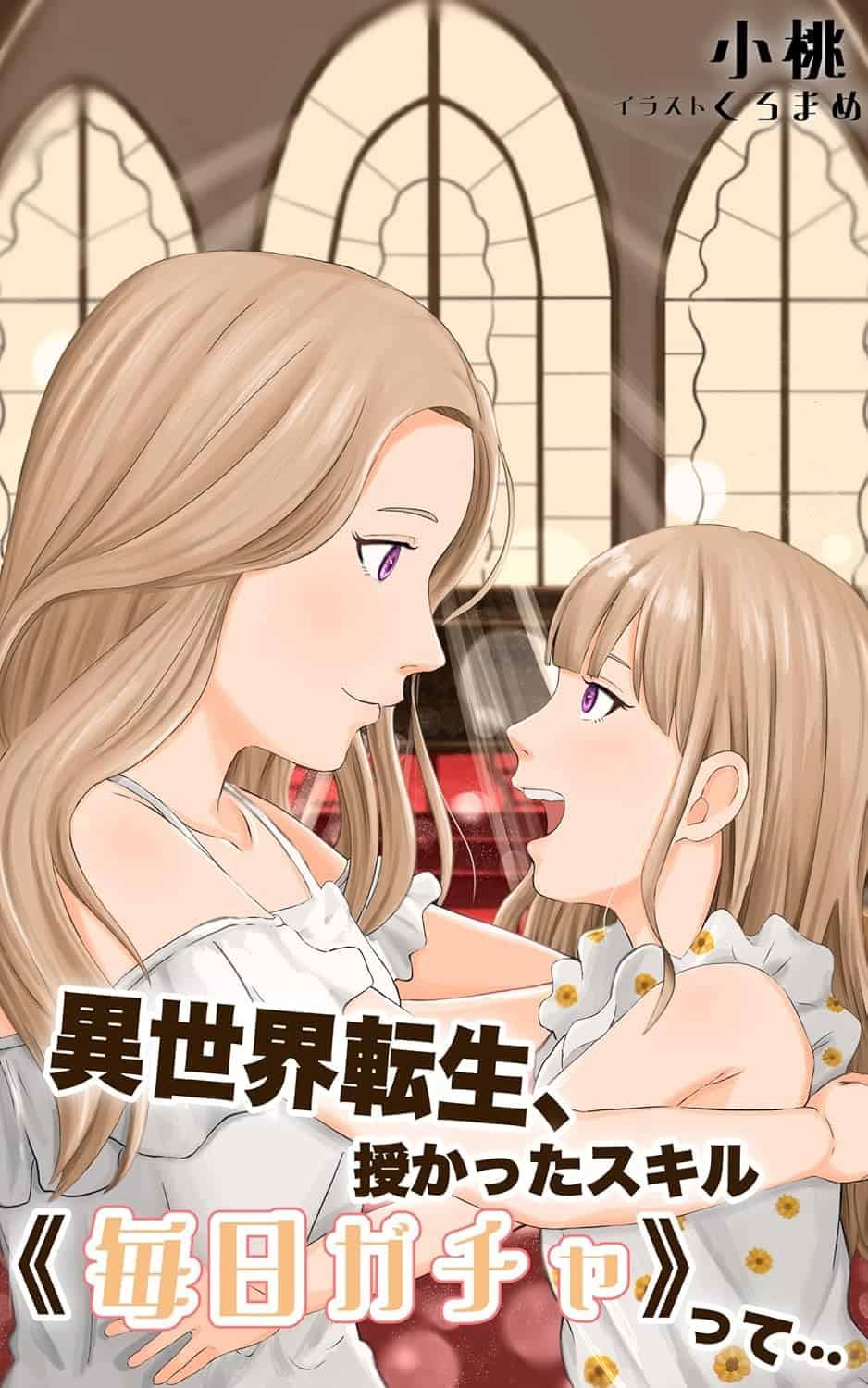
There's a theme running through this entire batch that I keep coming back to, and it's encoded in the central mechanic: incantation-less magic.
In this world, magic normally requires words. You speak, you shape reality. The incantation is the bridge between intention and effect. Selen bypasses that bridge entirely. She imagines, and the magic happens.
What does that symbolize? I think it's about authenticity versus performance. The ordinary mage must perform the ritual — recite the words, follow the steps, declare their intent aloud. Selen's magic is pure internal will made external. No performance required. No audience needed.
And that's why it's dangerous. Not just because the royal capital would want to study it, but because it threatens the entire structure of how magic is understood in this world. If magic doesn't require words, then the institutions built around teaching, controlling, and certifying mages lose their foundation.
The 'Daily Gacha' Selen performs before bed is another symbolic element worth noting. It's a ritual — a nightly routine that grounds her in something predictable amid a life that's rapidly becoming unpredictable. She pulls a Bless Guard, she evaluates it practically, she sleeps. The gacha is her version of an incantation: a small, personal ritual that brings order to chaos. Except unlike magic, the gacha doesn't hide its randomness. It's honest about chance. Selen accepts that.
The one-horned rabbit itself is a symbol too. It's a mundane creature in a fantasy world, eating grass peacefully, unaware that its death will set off a chain of events involving shadow organizations, emergency meetings, and potential tutelage under a former Grand Magus. The rabbit represents the ordinary life Selen is leaving behind — or rather, the ordinary life she's protecting. Every hunt, every quest, every risk is for the simple pleasure of coming home to a meal with her mom.
The story is asking: what does it mean to have power that requires no words, in a world that demands you speak to be valid?