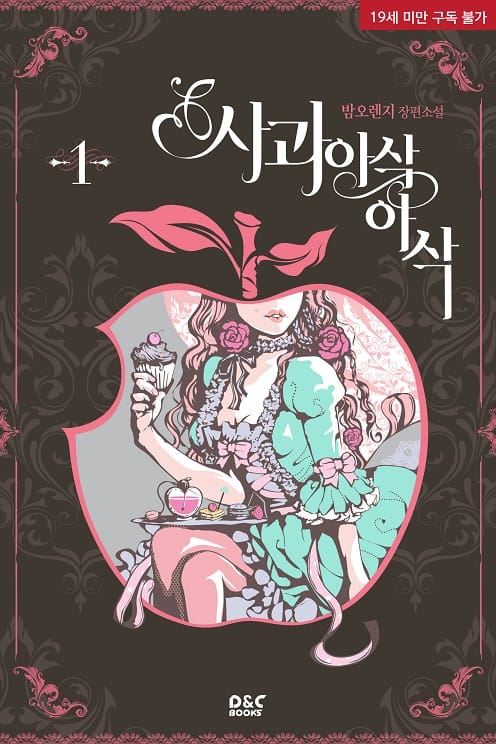
Eurene Eifel is the twenty-year-old daughter of Count Eifel, a man who purchased his noble title with wealth. She is characterized by her laziness, cowardice, and gluttony, preferring a life of idle consumption over social ambition. Physically, she is not considered beautiful by aristocratic standards, possessing a chubby figure and curly pink hair, which makes her worry about her prospects for marriage. Despite these insecurities, she lives comfortably under the protection of her brother and sister-in-law, spending her days eating sweets, reading romance novels, and avoiding any form of responsibility or stress.
The central conflict begins when Eurene accidentally engages in an affair with Duke Van Carca, the Empire’s most powerful and handsome nobleman, who is married to Duchess Sonya Carca. Their relationship starts on a terrace at a ball after both have consumed excessive alcohol. Van, captivated by Eurene’s plump body and simple, uncalculating nature, initiates a secret romantic and sexual liaison. Eurene, despite knowing the risks and feeling a flicker of guilt toward her friend Rona, who has a crush on the Duke, succumbs to her own latent desire for thrill and physical pleasure. She accepts the affair as a source of excitement rather than emotional commitment, viewing Van as a thrilling but detached partner.
A significant turning point occurs when Eurene unexpectedly encounters Duchess Sonya at a brunch café. Instead of reacting with anger or jealousy, Sonya greets Eurene with polite warmth and personally invites her to an upcoming tea party. This unexpected kindness disorients Eurene, who had anticipated hostility. She confides in Van, who reveals that his wife is cunning and likely already aware of their affair. Van predicts that Sonya’s invitation is a strategic move, though he remains indifferent to the political implications, viewing his marriage as purely transactional due to the vast wealth Sonya brings to the ducal household.
Eurene’s internal conflict deepens as she struggles with indecision regarding the invitation. Her brother, Count Eifel, aggressively pressures her to attend, viewing it as a crucial opportunity to elevate the family’s social standing and potentially secure a advantageous marriage for her. Under this familial pressure and her own fear of causing offense, Eurene agrees to go. Meanwhile, Van’s perspective shifts as he contemplates his growing attachment. He realizes that while he values Eurene’s lack of demand and obedience, the thought of her leaving him or belonging to another man provokes intense jealousy and possessiveness, unsettling his otherwise carefree hedonistic lifestyle.
The story direction moves toward Eurene’s entry into the high-society circle of the Carca Duchy. As she prepares to attend the Duchess’s tea party, she is unaware of the complex web of expectations and potential dangers surrounding her. The narrative highlights the contrast between Eurene’s naive attempt to navigate this dangerous territory and the calculated intelligence of the Duchess, setting the stage for a confrontation or complication in their relationship dynamics. Eurene’s passivity remains her defining trait, as she continues to drift along, driven by her immediate comforts and fears rather than strategic agency.
| Date | Group | Release |
|---|---|---|
| 2026-10-03 | dusk blossoms | c74 |
| 2026-10-03 | dusk blossoms | c73 |
| 2026-10-03 | dusk blossoms | c72 |
| 2026-10-03 | dusk blossoms | c71 |
| 2026-10-03 | dusk blossoms | c70 |
| 2026-10-03 | dusk blossoms | c69 |
| 2026-10-03 | dusk blossoms | c68 |
| 2026-10-03 | dusk blossoms | c67 |
| 2026-10-03 | dusk blossoms | c66 |
| 2026-10-03 | dusk blossoms | c65 |
| 2026-10-03 | dusk blossoms | c64 |
| 2026-10-03 | dusk blossoms | c63 |