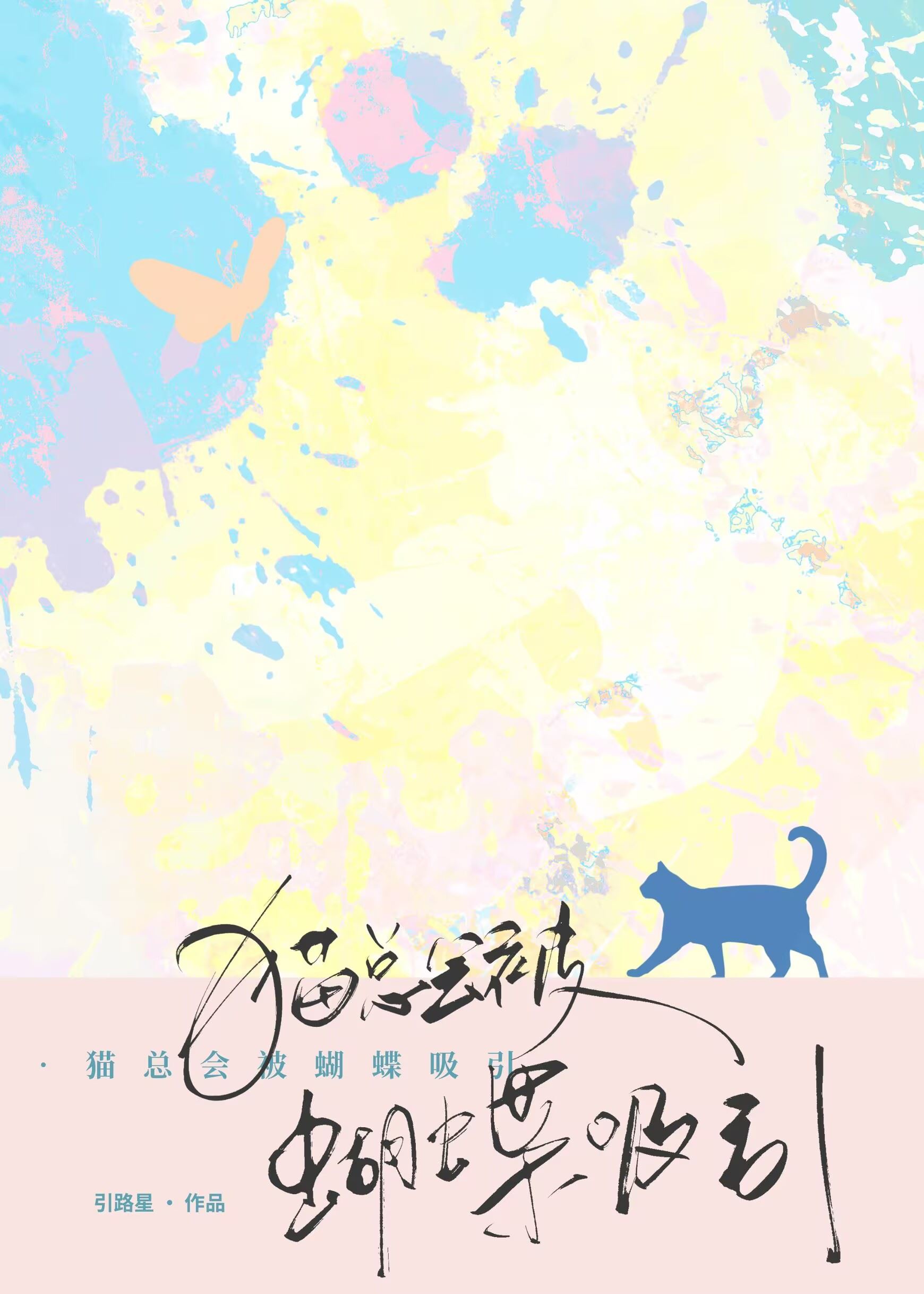
The structural craftsmanship in this passage is extraordinary, and I want to break down why it works so well.
The chapter opens with a butterfly wing—immediately establishing atmosphere and mystery. Then we move through the gallery slowly, deliberately. Two paintings described in quick succession: a figure staggering in rain, a sunrise in a mountain valley. Desolate, almost apocalyptic, yet pulsing with vitality. This pacing mirrors Shang Sui's art style before we even know it's his. The reader is learning to see through his eyes, through Shi Qi's eyes, before the reveal.
Then the third painting appears—the angel and the monster—and the pace shifts. Everything slows down. This is the moment. The structure builds toward this image the way music builds toward a crescendo. When Shang Sui appears behind Shi Qi, the narrative holds its breath. Their dialogue about the painting is measured, quiet, intimate. Each line carries more weight than it should because the pacing has prepared us to receive it.
Then—immediately after the emotional peak—Shang Sui pivots to the gege question. The tension breaks like a rubber band snapping. This is excellent structural control. The author could have lingered indefinitely on the painting moment, but instead chooses to release the pressure through humor and flirtation. The scene breathes.
And then Jiang Youning and Li Zhao enter, and the pace accelerates dramatically. The confrontation hits us like a physical blow after the gallery's meditative quality. Jiang Youning's sarcasm about geges and didis lands directly on Shang Sui, creating immediate comedic tension. The interrogation about age follows in rapid-fire succession, building to a climax where Shi Qi reveals his kink and forces the gege response.
What's brilliant about the pacing here is the rhythm of revelation. First we learn the paintings are Shang Sui's through implication. Then through direct statement when he says Xiao Qi wanted to see my paintings. Then through Jiang Youning's stunned realization that she just lectured the artist. Each reveal comes at the perfect structural moment, each one compounding the comedic payoff.
The author also uses scene transitions masterfully. The move from private gallery to public confrontation mirrors the movement from intimate relationship to family dynamics. The pacing accelerates as the stakes expand from personal to social, which is exactly how real emotional scenes escalate.
And that ending—she'd just marched in here and asked if they even understood what the artist meant, basically giving a reading comprehension lecture right to the artist's face? For once, Jiang Youning was embarrassed—is a perfectly timed structural button. It closes the scene on a note that acknowledges the irony while leaving us smiling. The pacing from butterfly to lecture to embarrassment is a complete emotional arc compressed into roughly one thousand words, and it doesn't waste a single beat.