Summary

... Read More
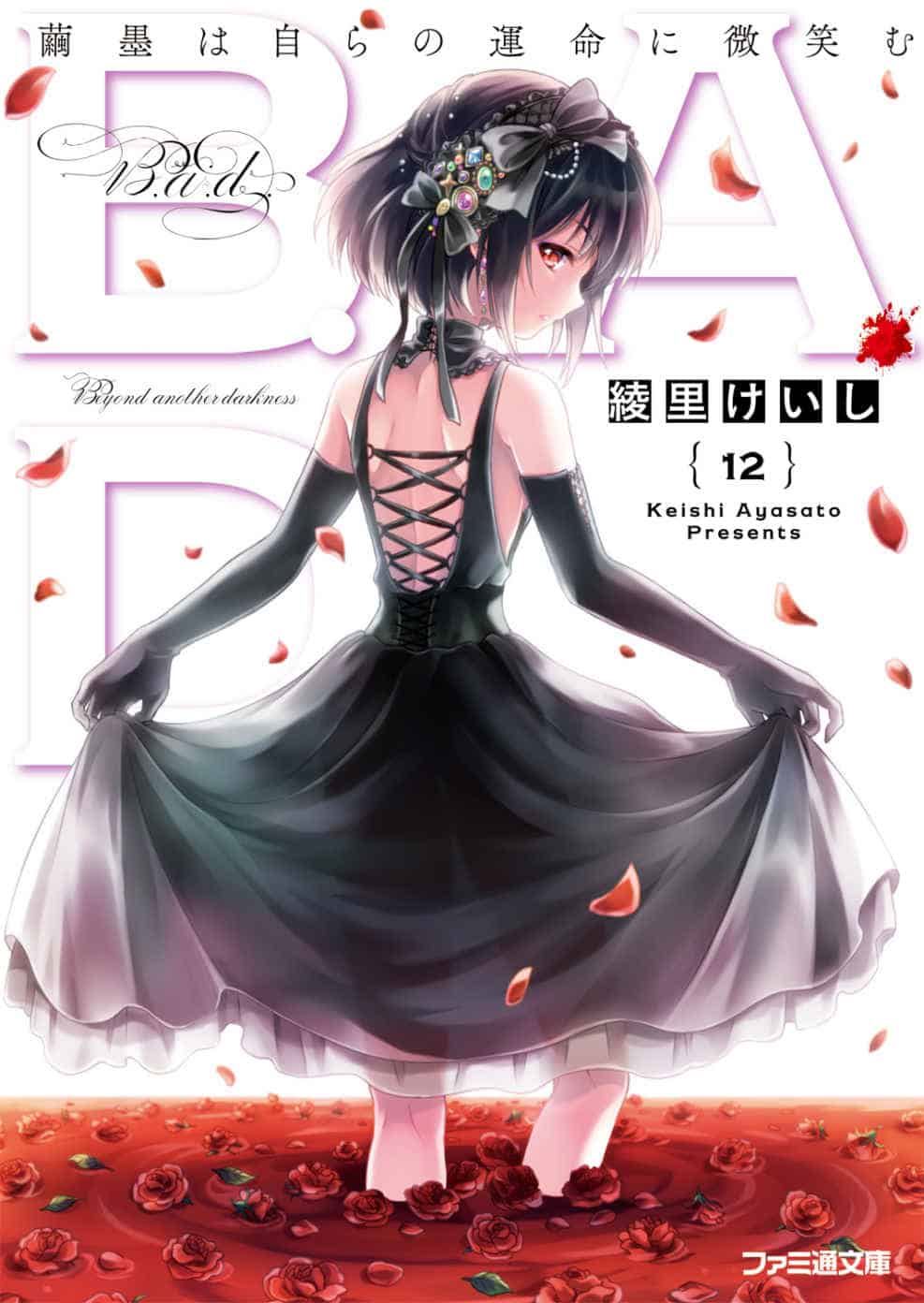
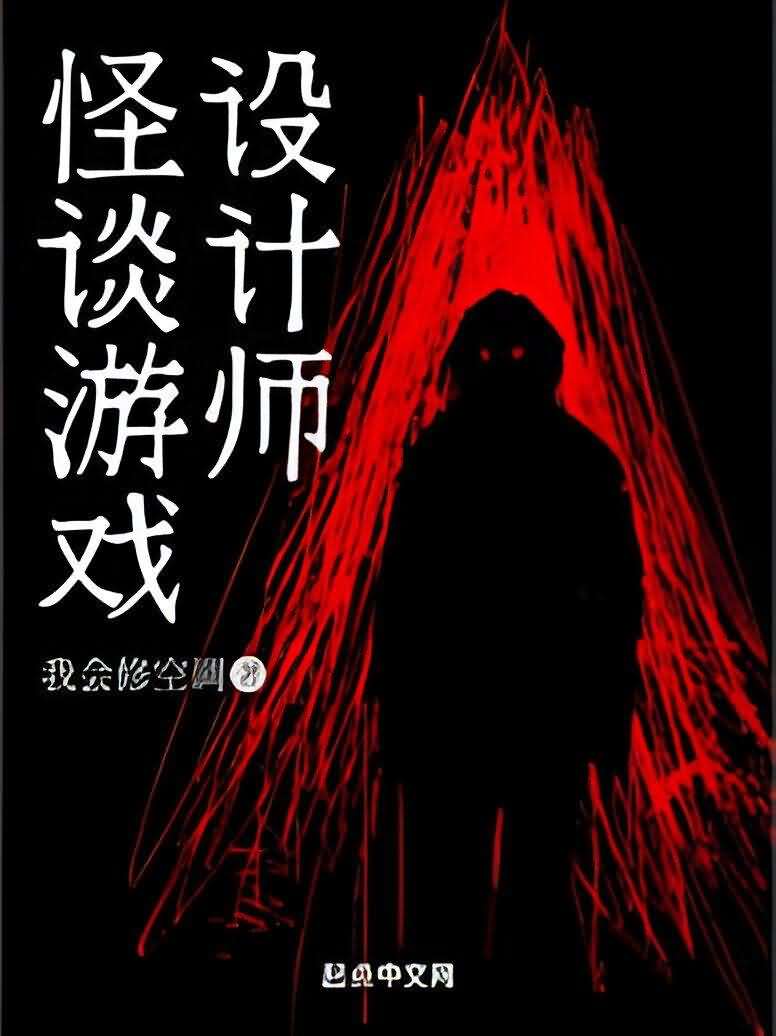
Odagiri is a 19-year-old investigator working for the Mayuzumi Psychic Detective Agency in Nago City, led by his eccentric boss Mayuzumi Azaka, a 14-year-old girl with psychic abilities who enjoys morbid cases and chocolate. The first case involves Yamashita Kazue, who hires the agency to find her sister Yukiko before Yukiko’s body disintegrates and falls from buildings in scattered organs. Yukiko had jumped from an abandoned building a month prior, but her body disappeared from the hospital while she was still in a critical state, after which internal organs began falling from the rooftop. Kazue insists that Yukiko is attempting suicide repeatedly and must be killed by her sister to end the suffering.

Odagiri visits Kazue and notices her home is neglected and filled with photos of Yukiko. Kazue maintains that her sister is trying to commit suicide again in a bizarre manner and that she alone must kill her. During the investigation, a man named Sugita, Yukiko’s ex-boyfriend, claims that Kazue murdered Yukiko rather than her committing suicide. Mayuzumi later reveals that Yukiko was indeed murdered by her sister, who struck her on the head with a parasol when Yukiko was retrieving a hundred-yen coin from a vending machine, then pushed her off the building. However, because Yukiko had not finished her intended suicide—she had been thirsty and unable to buy a drink—her soul remained bound to the location while her soulless body wandered between worlds, returning organ by organ. Mayuzumi intervenes by giving Yukiko’s spirit a new coin, allowing her to buy a drink and finally pass on, after which Yukiko’s corpse falls from the building.

Kazue confronts Odagiri at the crime scene, enraged that they interfered. She attacks him with a knife, stabbing him in the stomach. Later, Mayuzumi informs Odagiri that Kazue has died after being pushed from a hospital roof by Sugita, who had been goaded into violence. Mayuzumi admits she acted out of curiosity rather than compassion, having wanted to witness a suicide firsthand. Odagiri discovers a mysterious entity growing inside his stomach after the stabbing, which feeds on dark emotions and connects him to Mayuzumi’s paranormal world.

In the second story, the agency is hired by Saga Yujirou, whose left ear was bitten off by a dog and who now hears the laughter of his deceased wife and daughter. Mayuzumi connects this to past grievances involving her family. Odagiri investigates the Saga household and learns that Yujirou abused his second wife Asako and her daughter Aki, leading to their double suicide. Mayuzumi witnesses a spectral image of the dismembered corpses in the guest room, revealing the violent aftermath of their deaths. Yusuke, Yujirou’s son from his first marriage, harbors deep hatred for his father and wishes misfortune upon him. As the case progresses, Odagiri experiences painful visions and emotional influxes linked to the entity inside him, which feeds on the suffering around him. Mayuzumi continues to manipulate events for her own amusement, leaving Odagiri trapped in a cycle of violence and supernatural entanglement.

Latest Release
DateGroupRelease
2026-10-01light novels translations c221
2026-10-01light novels translations c220
2026-10-01light novels translations c219
2026-10-01light novels translations c218
2026-10-01light novels translations c217
2026-10-01light novels translations c216
2026-10-01light novels translations c215
2026-10-01light novels translations c214
2026-10-01light novels translations c213
2026-10-01light novels translations c212
2026-10-01light novels translations c211
2026-10-01light novels translations c210

Community Reviews

Rating(3.9 / 5.0, 36votes)
5 stars
12(33%)
4 stars
8(22%)
3 stars
16(44%)
2 stars
0(0%)
1 stars
0(0%)

Popular reviews

... Read More
'I worship her.' That's all Chihana says, and it completely recontextualizes everything. I need to sit with this for a second. This woman—who clearly has access to the innermost secrets of the Mayuzumi family, who has known Azaka since childhood—doesn't see her as a person. She sees her as a deity. And when she looks at Odagiri, who simply stands beside Azaka without knowing the full truth, there's something almost like jealousy in her eyes. Real, genuine envy that this mundane human gets to be near a god while she, who has devoted her entire existence to worship, can only observe from below. But then Odagiri's response is so quietly devastating. When Chihana tells him that Azaka is literally the god of the Mayuzumi family, he just says: 'The Mayuzumi Azaka I know would get angry if you called her a god.' And then he reconstructs her actual voice—casual, dismissive, even a little self-deprecating. 'Sometimes people have to rely on someone to survive. But don't count on me. It's morbid.' He says it would make her laugh. This man has been carrying a demon inside him, dealing with the fallout of his brother's vengeance, navigating a family that wants to use him as a weapon or a shield—and his first instinct is to protect Azaka's dignity. Not her safety, not her reputation, but the simple, basic truth of who she actually is. She's not a god. She's a woman who doesn't want to be worshipped, who takes her medicine with cocoa because it tastes terrible, who complains about familiar things not entering her residence. And then there's Kugutsu, introduced eating off the floor like an animal, calling himself a 'dog,' thanking Odagiri for the privilege of being allowed to serve. The contrast between how Odagiri sees Azaka and how the Mayuzumi family sees their own members is just... violent. They've reduced human beings to objects. Kugutsu has internalized it so deeply that he genuinely believes his only purpose is to die for someone else. The emotional core of this chapter isn't romance. It's the space between devotion and autonomy. Who gets to choose how they're loved? Who gets to decide whether they're a person or a symbol?
... Read More
Can we just talk about how vividly the author renders these moments? "She inserted twenty yen first, and then a hundred yen, which came back. Frustrated at not being able to buy a drink, she picked up the coin, and suddenly lost consciousness." That is such a NORMAL thing to be doing when your soul gets knocked out of your body. The contrast between the mundane act of failing at a vending machine and the supernatural violence that follows—it's chilling in the best way. And then Yukiko's body falling from the sky: "Its hands were outstretched, as if waiting for an embrace. She looked like a bird as her white dress fluttered in the wind." Like a bird. That image just destroyed me. She fell like something alive and graceful and then — "Bones and flesh smashed hard on the ground. Color resembling fuel oil slowly flowed to my feet." One moment it's almost beautiful, the next it's just visceral horror on hot pavement. The fact that this happens under a bright blue sky makes it worse somehow. There's no shadowy atmosphere, no gothic drama—just a normal summer day and a girl falling out of it. The hospital room later with the smell of chocolate mixing with medicine is another one that stuck with me. The ordinary and the disturbing blending together so seamlessly.
... Read More
I swear this chapter had me flipping pages so fast I almost missed entire paragraphs. It starts with Mayuzumi already deep in explanation—we're thrown right into the middle of the Yukiko mystery like we're supposed to keep up. No warm-up, no gentle setup. Just: here's a ghost at a vending machine, here's why she's stuck, here's the backstory of how she died. Then Yukiko drinks the soda and VANISHES.boom. Right after you process that, her corpse drops from the sky. Another physical body hitting the ground while you're still catching your breath. Then cuts to a few days later—Kazue confronting them, the argument, the stab wound, ODAGIRI PASSING OUT. Every scene ends right at the peak of intensity and the next one hits you immediately. And the final section in the hospital? Mayuzumi casually dropping that she only did this for entertainment, then the lingering question about Sugita—that's a double cliffhanger stacked on top of an emotional gut punch. The author knows exactly how to string you along. The only slow moment is Mayuzumi's long explanation, but even that works because it's wrapped in that unsettling chocolate-eating routine that keeps it from feeling like a pure info-dump. By the time I reached the end I was equal parts exhausted and desperate to read the next chapter.
... Read More
The visual world-building in this batch is absolutely immaculate. Let me start with the parasols because they're clearly loaded symbols. Red parasol = Mayuzumi, deep blue parasol = unknown figure, and there's mention of a golden parasol earlier in the series. These aren't just aesthetic choices - they're visual markers for different entities and their domains. When Odagiri sees the blue parasol in the crowd and his hair stands on end, the author uses color as an emotional trigger. Brilliant. The sensory details are what make this world feel so alive though. Kotoko's sweet fragrance - it's described almost like a drug. 'A sweet scent grazed the tip of my nose. When I breathed in the soft fragrance, I felt a sense of euphoria rising within me.' This isn't just atmosphere, it's world-building through sensation. The entity world operates through smell, through sight, through touch - it's a multisensory trap. The scene where Kotoko's attack dissolves into 'confetti fluttering on the sidewalk' is haunting in its contrast between beauty and horror. But the most unforgettable image is the final one - that small gray hand emerging from Odagiri's opened stomach. 'A small hand was trying to crawl out of the womb. Dull and gray, it peeked through the flesh. A body bathed in blood struggled to emerge from the gaps in my innards.' This is body horror at its most visceral, but it's also deeply symbolic. Something is being born from him, or something has been living inside him. The line 'A person can tear open very easily' echoes from earlier - it's a recurring motif that now takes on a completely new meaning. The world of this story has its own internal logic, and every detail - the parasols, the scent, the paper scraps, the hands emerging from flesh - is carefully placed to build an atmosphere that's equal parts fairy tale and nightmare.
... Read More
The pacing in this batch is masterful and I need to talk about how the author stringently controls the tension. We open on what feels like a slow, almost romantic scene with Kotoko - gentle dialogue, blushing, hand-holding. It lulls you into thinking this might be a love story interlude. Then the bump into the blonde boy shatters that completely. The shift from intimate romance to supernatural dread happens in a single paragraph and it's jarring in the best way possible. From there, the author never lets go. Kotoko's attack, Yuusuke's revelations, the journey to Mayuzumi's apartment - each scene ramps up the stakes while peeling back another layer of mystery. Yuusuke's coffee shop scene is particularly well-paced because it's mostly dialogue but the information drops are devastating. His father's suicide, the curse on Mayuzumi, the fact that Odagiri hasn't visited in a week - all delivered with that casual, almost cheerful tone that makes it so much worse. The structure of the Mayuzumi apartment scene is a textbook example of tension release followed by a bigger tension spike. He finds her 'dead' body - emotional climax, he breaks down, raw grief. Then she wakes up - relief. Then he notices the blood - confusion. Then the stomach tears open - absolute horror. The author gives you hope and immediately punishes you for it, which is exactly the emotional experience this story is designed to deliver. But here's where I think the pacing truly shines - the memory-wiping frame. We open with fragmented memories ('Like a broken tape, their voice was faint and inaudible'), and we close with the revelation that Mayuzumi has been erasing his memories all along. This circular structure mirrors the protagonist's trapped existence - he's going in circles, forgetting, reliving, unable to escape. The final line 'It's been a while since I closed your stomach' suggests this has happened before, and possibly many times before. The pacing isn't just about scene-to-scene tension - it's about the structural pacing of a life being systematically edited and rewritten.
... Read More
There are so many layers here I can barely pick just one. The chocolate. Mayuzumi eats it constantly, almost ritualistically. But Odagiri keeps seeing it as something grotesque—the way she tears the wrapper, the sound of it crumbling, and that line about melted chocolate resembling internal organs and a bloody placenta. Is the chocolate symbolizing something sweet masking something visceral? Or is it Mayuzumi's way of consuming experiences, turning tragedy into something she can digest casually? Then there's the hundred-yen coin. It's the trigger for everything. Yukiko bends down for it, gets hit, her soul separates. Later Mayuzumi gives HER a new coin—a clean, fresh one—and that's what finally lets Yukiko complete her interrupted act. The coin is both curse and key, the smallest object carrying the weight of life and death. But the theme that's been rotting inside me since I finished this chapter is Kazue's idea of love: "My sister is mine." That line. The way she couldn't accept Yukiko's autonomy, the way suicide felt like betrayal rather than freedom. It's possessive love stripped of any pretense of care—pure ownership disguised as devotion. And Mayuzumi sees it clearly: "Killing someone won't make them yours. It's the same thing as smashing a doll on the floor and breaking it." The story keeps asking: what does it mean to truly want something for someone versus wanting them to belong to you? And honestly, the answer it gives is terrifying.
See all reviews

Custom lists

See all custom Lists