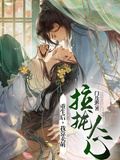
Liu Huan, a modern woman, dies in a car accident and reincarnates as an infant girl named Niu-Niu in the impoverished Maocao Village of the Great Zhou Kingdom. She is found abandoned by a poor couple, Su Daniu and Lady Liu, who decide to take her in despite their extreme poverty. Liu Huan quickly realizes she has become a cannon fodder villain in a novel she once read. In the original story, she grows up ungrateful, causing her adoptive family to ruin: her eldest brother Shitou is crippled by a wolf bite while hunting for her, their mother goes blind from grief, and she herself is sold into a brothel before being tortured to death by the male lead, who later becomes a high-ranking official. Determined to survive, Liu Huan resolves to change her fate by being a loving, obedient child and securing her place within the family.
As a baby, Liu Huan strategically builds affection with Shitou, who is already showing signs of the serious, mature personality he will have as an adult. She navigates the dangers of infant life, including near-falls and the threat of being sold by a greedy neighbor, Aunt Hua. When Aunt Hua attempts to buy Liu Huan for two taels of silver, the Su family fiercely rejects the offer, with Shitou personally protecting her. This incident strengthens Liu Huan’s bond with her adoptive brother, and she becomes increasingly dependent on him, ensuring she remains the favored sibling. The family’s poverty is a constant struggle, with their diet consisting mainly of thin corn gruel and wild vegetables, but Liu Huan’s presence brings a spark of hope and cleverness to the household.
At three years old, Liu Huan displays her modern knowledge by successfully hatching chicks using a brooding hen, a feat no one in the village has achieved before. She identifies earthworms as an ideal food source for the chicks, dramatically increasing the family’s poultry yield and providing a new source of income. This success allows the family to afford tuition for Shitou and his elder brother Da Shi to attend a new village school established by a returning scholar. Liu Huan encourages her parents to invest in their education, knowing that Shitou’s future success is key to her own safety and prosperity. She also begins to plan for the family’s long-term financial stability, envisioning a future where they are no longer destitute.
The narrative follows Liu Huan’s efforts to integrate into this ancient society while subtly guiding her family toward a better future. She uses her modern understanding of biology and business to improve their livelihood, starting with poultry farming. Her relationship with Shitou evolves from that of a protective older brother and a charming younger sister into a deep, trusting bond. Liu Huan is careful to avoid the behaviors that led to her original tragic fate, choosing instead to support her family and encourage their education. The story highlights the harsh realities of rural life in ancient China, including the value placed on sons over daughters and the constant threat of starvation, while also showcasing the resilience and love of the Su family as they navigate these challenges together.
Key turning points include Liu Huan’s acceptance of her new identity, her successful hatching of chicks which changes the family’s economic trajectory, and the decision to send the boys to school. These events set the stage for Shitou’s future rise in society, which Liu Huan intends to leverage for her own security. The story also introduces potential conflicts, such as the lingering resentment of Aunt Hua and the societal pressures facing poor families. Liu Huan’s journey is one of adaptation and strategic survival, as she uses her knowledge and charm to alter the predetermined tragic ending of the novel. Her actions demonstrate a shift from passive victim to active participant in shaping her destiny, all while maintaining the facade of a sweet, intelligent child.
As the story progresses, Liu Huan continues to support her family’s educational and economic goals. She takes on responsibilities appropriate for her age, such as collecting eggs and helping with chores, while also engaging in activities that generate income. Her interactions with her siblings, particularly Shitou and the simple-minded Little Shi, are marked by affection and care. The narrative emphasizes the importance of family unity in overcoming adversity. Liu Huan’s modern perspective allows her to see opportunities where others see only hardship, and she works to ensure that her adoptive family does not suffer the same fate as in the original story. The text concludes with Liu Huan firmly established in her role within the family, looking forward to the future with cautious optimism.
| Date | Group | Release |
|---|---|---|
| 2026-08-11 | shanghai fantasy | c18 |
| 2026-08-11 | shanghai fantasy | c17 |
| 2026-08-11 | shanghai fantasy | c16 |
| 2026-08-11 | shanghai fantasy | c15 |
| 2026-08-11 | shanghai fantasy | c14 |
| 2026-08-11 | shanghai fantasy | c13 |
| 2026-08-11 | shanghai fantasy | c12 |
| 2026-08-11 | shanghai fantasy | c11 |
| 2026-08-11 | shanghai fantasy | c10 |
| 2026-08-11 | shanghai fantasy | c9 |
| 2026-08-11 | shanghai fantasy | c8 |
| 2026-08-11 | shanghai fantasy | c7 |