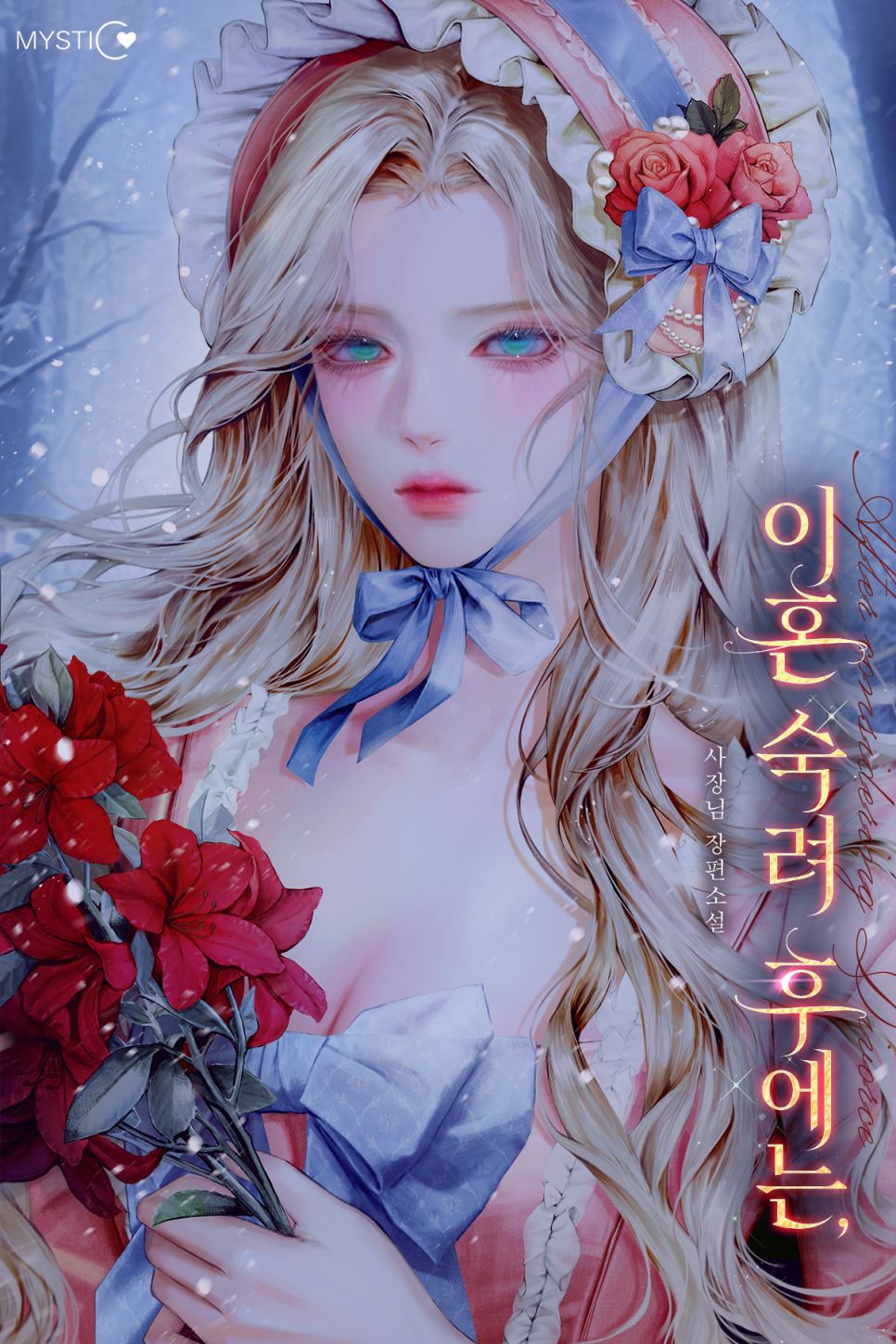
I've been rethinking the brooch scene a lot since I finished this batch. That piece of jewelry—rubies, diamonds, emeralds, sapphires, all arranged in some harmonious pattern—feels like it's carrying way more weight than a simple gift should. Olga is supposed to be grateful, right? This is the husband who goes out at dawn to buy her the finest stones. This is the man who calls himself her protector, her provider, the one who sacrificed everything for the empire. But the brooch isn't just a brooch. It's a token of control, disguised as romance. He gives it to her, pins it to her dress himself, and she can only say "thank you" through clenched teeth. There's something almost violent about that gesture—the way he touches her, claims her, adorns her like property while she sits there wondering if any of it was real. And then there's the newspaper article, the one about "the lovers of the century," which turns out to be fabricated. Her words, twisted. Their love, manufactured for public consumption. The theme here keeps coming back to performance—everyone in this story is playing a role, especially Olga. She's performing the grateful wife, the dutiful daughter-in-law, the woman who forgives too easily. The brooch is the costume. The duchy's sudden spring, the prosperity—it's all surface. Underneath, everything is cold.