A Painful Obsession - Reviews

A Painful Obsession
+Add to Custom List
Sort
Add review
... Read More
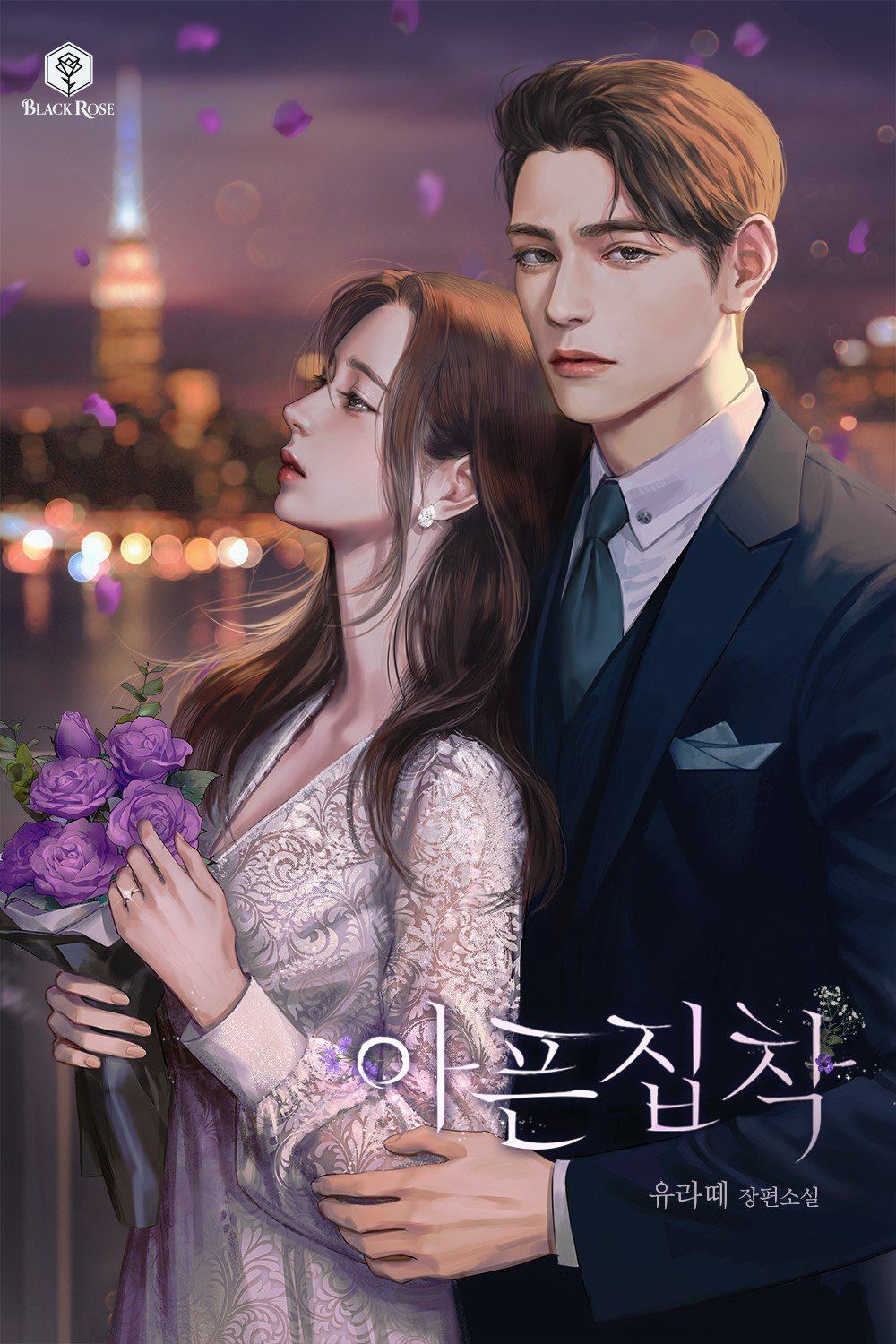
What struck me first was the scene where Ina is trying to eat and can't because Taeyun is watching her. She's awkward, hesitant, fingers hovering over chopsticks. And what does he do? He STANDS UP, says he'll play with the kids, and LEAVES. Not because Director Ji asked him to — because HE NOTICED. But here's where it gets interesting. Director Ji then praises him relentlessly: "You don't know how good his character is. He takes such good care of the kids — upright, responsible. It's hard to find young men like that these days." And Ina, listening to this while gripping the hand warmer, glances at him playing with the children alongside the younger students. She's hearing someone else describe the person she's been trying to read for three days. This is the author's genius move — INAA doesn't get to define Taeyun herself. She gets Director Ji's version, the orphan-mom's version, the community's version. And yet when she looks at him, she doesn't see what Director Ji sees. She sees the guy who watches her while she eats, who gives her gifts she won't accept, who shows up at the worst possible moments. The children's relationship with Taeyun is also crucial. Choa, who calls him "uncle," who cries at farewell, who makes him promise with a pinky swear and demands a stamp and a signature — these are the stakes. He's not just impressing Ina; he's building trust with kids who have been abandoned before too. The parallel is unbearable. And Ina's relationship with Director Ji — "Mom" — mirrors her own lost mother figure. Director Ji adopted her in a sense, gave her a place, and Ina's drive to get into Korea University is framed as repayment. But Taeyun represents something different: he's not a parent figure, he's an equal who sees her differently. Not as Director Ji's charge, not as the poor girl who works mornings, but as someone worth remembering. The power dynamic is thorny. He's a university student from presumably wealthier circumstances. She's working part-time jobs, wearing thin clothes, living in an orphanage. He gives her things; she receives and refuses and keeps. The imbalance is real, and the author doesn't shy away from it — Ina's suspicion that he's just another pitying volunteer is VALID. But his actions don't match her theory, and that dissonance is where the relationship lives.
... Read More
I've never felt this much tension compressed into twenty pages before and I don't know how the author does it. Let me count the conflicts happening simultaneously: 1. Ina vs. Taeyun — past betrayal, present hostility, unresolved love, and now legal threats hanging over her head like a sword. 2. Ina vs. herself — she wants to fix everything but has nothing to give. "Even disregarding the emotional damage he had suffered, she didn't have nearly enough money to repay him." She's trapped between gratitude and inability. 3. Yeongja vs. her body — and more importantly, Yeongja vs. the idea of being a burden. The hospital visit is being delayed three months. Three months. That's not just inconvenient — that's catastrophic. 4. Jinho vs. his own feelings — he's watching Ina drown and he can't swim close enough without crossing a line. 5. Taeyun vs. his mother — barely visible but that phone call at the end? His mother calling to remind him she exists while he's one bad day away from ruining his life? The setup is *chef's kiss*. The stakes are personal, medical, financial, and emotional all at once. Nothing is safe. Nothing is resolved. And the author refuses to let you breathe. Ina gets five minutes of peace after the phone call and immediately the hospital results drop. She holds onto hope for two seconds and then Yeongja is facing the wall in silence. I am not okay. I need the next chapters immediately.
... Read More
Okay so let me just — how is Taeyun not just bursting through that shop door already. The whole setup is genius. He walks in, sees this little girl who looks EXACTLY like Ina, and his brain is literally short-circuiting. The kid is four, timeline doesn't match up, she's left-handed like him... and yet he STILL can't let go of that hope. That is SO human. That is the kind of desperation that makes you want to shake the character and also simultaneously feel it in your chest. And then Ina walks in and the tension just — detonates. Like, she's hiding Dahyeon behind her back, teeth clenched, and Taeyun is being all cool and collected on the surface but you can literally see the wires burning underneath. The dialogue between them is basically a knife fight wrapped in silk. Every line is a hit. "If she were yours, could you take responsibility?" — OUCH. She goes for the throat immediately. And then drops the bomb about what he gave her and expecting repayment. The legal documents arriving like a cold splash of water five years later? That's not a plot twist, that's a landmine going off. The whole "I'll handle it legally" vs "you're asking for THAT now" energy is everything. Taeyun inflated the amount by the way — he's doing this on purpose to force her to come to him. The man is playing 4D chess while she's over here trying not to collapse on her own floor. I'm obsessed with how every scene escalates instead of resolves. Just keeps piling on. Also the Yeongja subplot with the cough that nobody addresses? That's a ticking clock sitting right there. Someone is sick and refusing to go to the hospital. I already know how this ends and I am NOT READY.
... Read More
Let me just say this: the pacing in these chapters is impossibly good and I don't know how the author does it. Chapter 27 starts with Ina alone with her thoughts—three days of him being gone, her trying to focus on studying, dismissing him as a liar. Very quiet. Very internal. Then CUT to two weeks later and she's walking into the dining hall and THERE HE IS. The jump itself is clever—you don't get to see the reunion between them directly, you get her reaction from the outside, which is actually more powerful because we're experiencing her shock alongside the narrative. Then the corridor scene! This is where the pacing really shines. It starts almost comedic—he appears out of nowhere, she drops things, he teases her about being quiet. But then it pivots HARD when she calls it pity and her eyes go red. The emotional whiplash is intentional. The author lets the humor breathe first, then cuts it off with her hurt, and Taeyun's response—calm, unbothered but with that hint of woundedness underneath—is perfectly timed. The ending lingers on Ina alone in her room, reading notes, the phone going ding ding ding, and then cutting to him leaving with barely a goodbye from her. That structural choice—ending on her silence instead of her realization—keeps the tension simmering. Not resolved. Just... hanging.

Leave a comment

You must be logged in to leave comments. or
